Bonaventura Rubino, a Franciscan friar born near Bergamo, served as choirmaster of Palermo Cathedral from 1643 to 1665, and his compositions were published in no fewer than seven volumes.
Interpretation
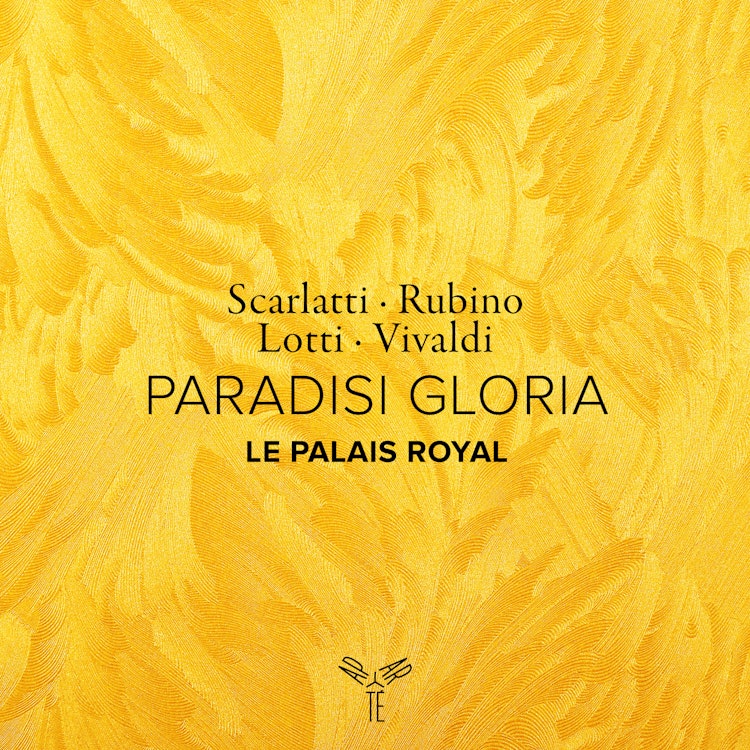
Le Palais Royal, the ensemble performing on this album, aims to recapture the color, freedom, and enthusiasm of 18th-century Italian Baroque music, including the exact colors of a living Latin.
Interpretation
The conductor, Jean-Philippe Sarcos, chose to embrace risk-taking and human imperfection in this recording to respect the unexpected, exciting, and real aspects of life in the music.
Composer Biography
Antonio Lotti, a Venetian composer, spent most of his career at San Marco as a violist, organist, and choirmaster, illustrating the transition between late Baroque and Classicism.
Compositional Technique
Vivaldi's religious music, often composed for the Ospedale della Pietà, demonstrates an incredible palette of effects, combining vigorous rhythms, prodigious ornamentation, and frequent contrasts of nuance, density, and timbre.
Composition History
Domenico Scarlatti's Stabat Mater for 10 voices may have been composed between 1715 and 1718 when he was choirmaster of the Vatican's Cappella Giulia, suggesting it was intended for experienced singers.
You might also enjoy...
Dixit Dominus - Händel, Lotti
Grand Tour
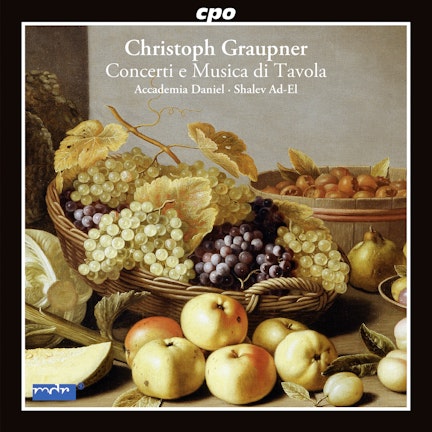
Graupner: Concerti e Musica di tavola
Attaingnant / Playford / Lully / Mozart: Court Dance in the 16th to 18th Centuries
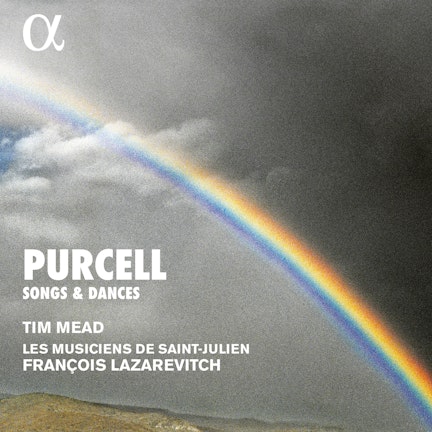
Purcell: Songs & Dances
Josquin Desprez: Septiesme livre de chansons
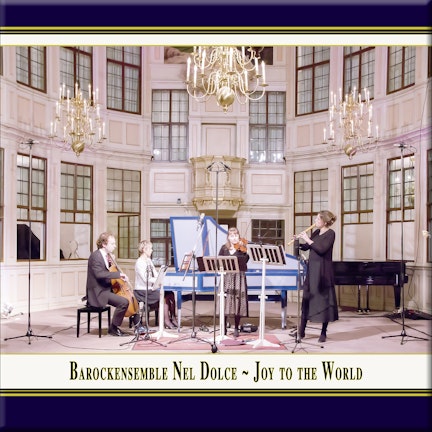
Joy to the World (Live)
Au Sainct Nau
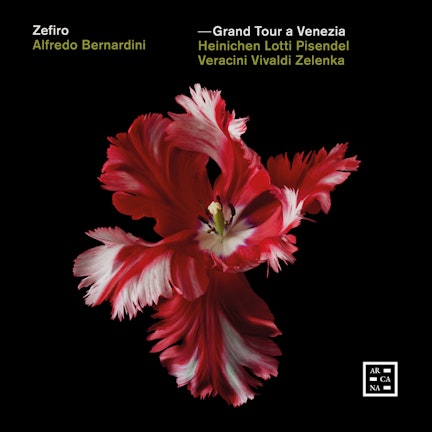
Grand Tour a Venezia
Handel, C.P.E. Bach & J.S. Bach: Works for Organ
El Viatge de Caldara
Tessarini: Violin Sonatas
Georg Philipp Telemann: Französischer Jahrgang Vol. 4