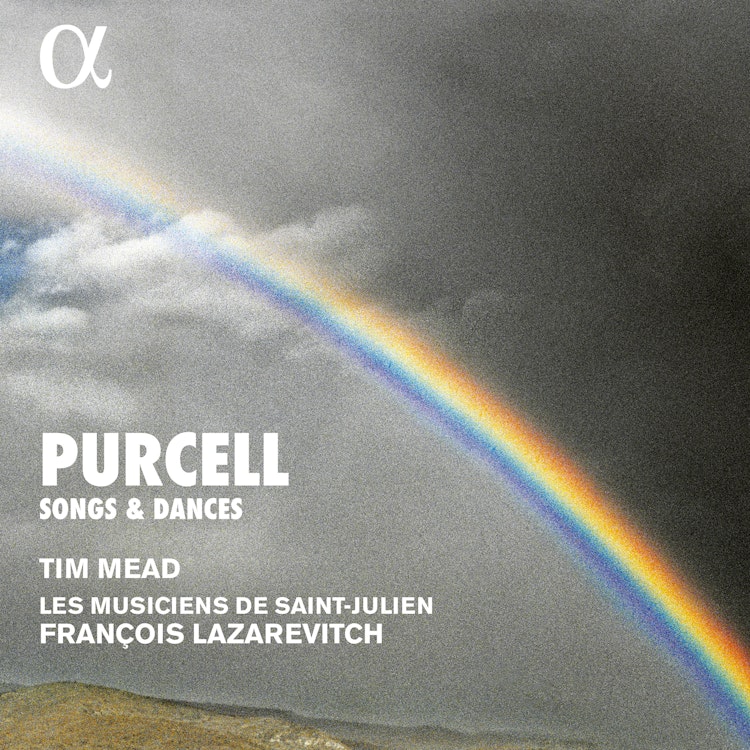
The repetitive bass line, or ground bass, in some of Purcell's songs is seen not as a restriction but as a 'springboard for invention', allowing for spontaneity akin to jazz improvisation.
Instruments
The ensemble includes a viola da gamba, chosen because of its prevalence in England during Purcell's time, and oboes and bassoons, which were also used in Purcell's orchestra.
Interpretation
The ornamentation in this recording was meticulously written out in advance by François Lazarevitch, drawing from numerous English historical treatises and annotated orchestral parts.
Performer Biography
Tim Mead, the countertenor, has a background as a recorder player, which contributes to his sight-reading ability and intelligent phrasing.
Composer's Artistic Vision
Purcell is considered an expert in sculpting vocal melodies from text, with even his most melismatic phrases enhancing the meaning of the words.
Interpretation
François Lazarevitch, the music director, incorporates his knowledge of traditional dance music and 'cadence' into his interpretations, which he describes as the 'lifeblood of music'.
You might also enjoy...
The Organ at European Courts
Venice and Beyond: Concerti da Camera & Sonate Concertate for Woodwind Instruments
Grand Tour
Vivaldi: Complete Oboe Concertos
Schickhardt: VI Concerts Á 4 Flutes Et Basse Continue