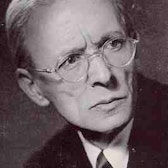
Ildebrando Pizzetti, one of the composers on this album, supported the Fascist regime in Italy, signing the Manifesto of Fascist Intellectuals in 1925.
Composer Biography
Mario Castelnuovo-Tedesco, the other composer on this album, was forced to emigrate to the United States in 1938 due to racial laws passed by the Fascist regime.
Instruments
Cellist Amedeo Cicchese performs on a Giovanni Grancino cello from 1712, entrusted to him by the Fondazione Pro Canale of Milan.
Composition History
The 'Figaro fantasy' by Mario Castelnuovo-Tedesco exists in three versions, including one for cello and piano written for the great Russian cellist Gregor Piatigorsky, who also moved to the USA due to Nazi occupation.
Composer's Artistic Vision
Ildebrando Pizzetti's 'Tre canti' use tempo indications that not only set the pace but also suggest the expressive mood, forming a specific dramatic development.
Compositional Technique
Mario Castelnuovo-Tedesco's 'Figaro fantasy for cello and piano' is a concert rhapsody based on themes from Rossini's 'Il Barbiere di Siviglia', a common practice in 19th-century music.
Composer's Artistic Vision
Both composers on this album, Ildebrando Pizzetti and Mario Castelnuovo-Tedesco, shared a conviction that music should not be subordinated to opera, especially the Verismo style prevalent in early 20th-century Italy.
You might also enjoy...
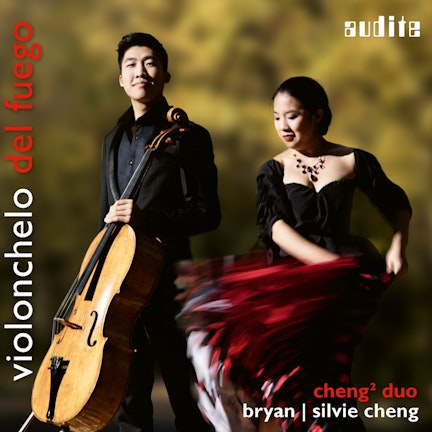
Violonchelo del Fuego
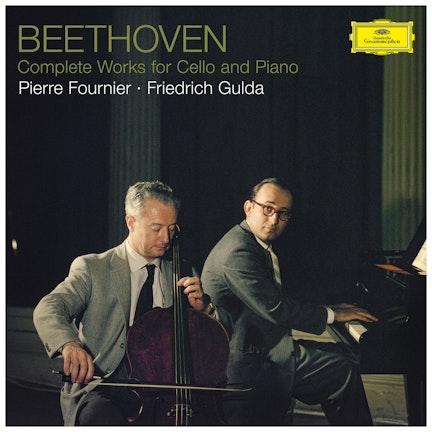
Beethoven: Complete Works for Cello and Piano
Hindemith: Complete Music for Cello and Piano
Romberg: Harp Sonatas Nos. 1-3, Op. 5 (Version for Harp & Cello)
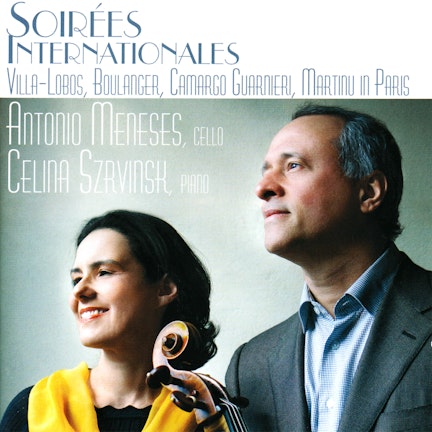
Soirées Internationales
Beethoven: The Cello Sonatas
Rostropovich & Richter played the complete Sonatas for Cello and Piano by Beethoven
American Vignettes
RISE · Revolutionary Russian Cello Music
Reinecke: Complete Cello Sonatas
Works for Cello
Ludwig van Beethoven: The Complete Works for Cello and Piano