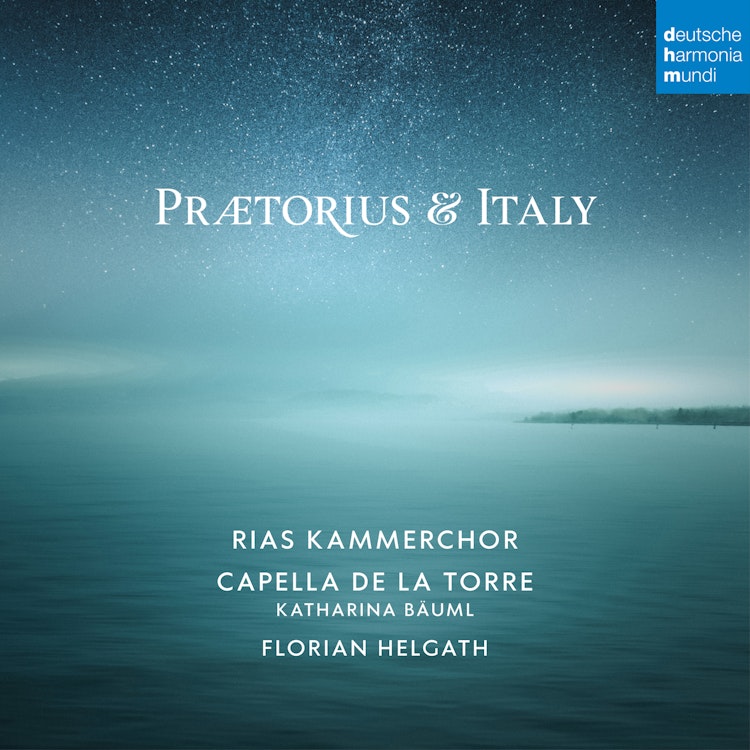
Michael Praetorius, a German composer, dedicated his 1619 treatise Syntagma musicum to a wide audience, including organists, instrumentalists, and amateurs, across different nations.
Compositional Technique
Praetorius's sacred works, particularly the collection Polyhymnia caduceatrix et panegyrica from 1619, feature cantatas in the 'new Italian concerto manner' with large forces and detailed performance instructions.
Compositional Technique
Praetorius's Syntagma musicum is the most important manual on music theory published in the German-speaking world at the beginning of the 17th century, detailing contemporary instruments, performing practices, and musical genres.
Composer Biography
Michael Praetorius, born around 1572, was the son of a pastor who had studied with Martin Luther and Philipp Melanchthon, and he initially planned to study theology.
Historical Context
Despite his extensive knowledge of Italian music, Michael Praetorius never visited Italy or met composers like Monteverdi or Gabrieli, whom he frequently cited as models.
Composer's Artistic Vision
Praetorius aimed to propagate music in Germany, following the Italian example, for the praise of God and the edification of God-fearing hearts.
You might also enjoy...
SCHUTZ, H.: Choral Music (Dresden Kreuzchor, Mauersberger)
Andreas Hammerschmidt: Ach Jesus stirbt
Praetorius & Schütz: Sacred Works
Lambert Leçons de Ténèbres
Heinrich Schütz Edition
Historia Nativitatis
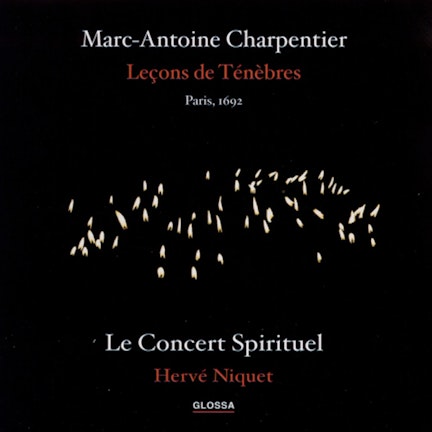
Charpentier, M.A.: 3 Tenebrae Lessons / Meditations Pour Le Careme (Le Concert Spirituel)
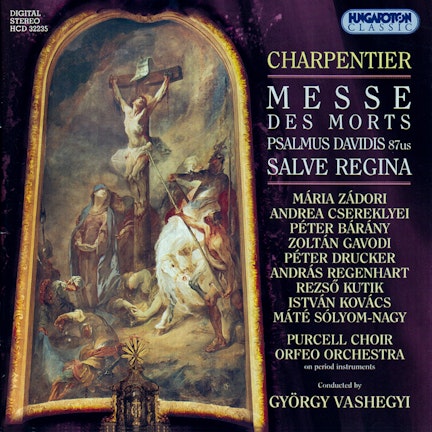
Charpentier: Messe Des Morts / Psalmus Davidis / Salve Regina
Schütz: Weihnachtshistorie & Magnificat
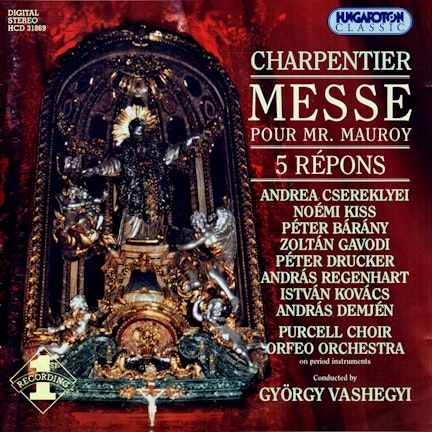
Charpentier, M.-A.: Messe Pour Mr Mauroy / 5 Tenebrae Responsories
Charpentier: Messe de Minuit - In Nativitatem Domini Canticum