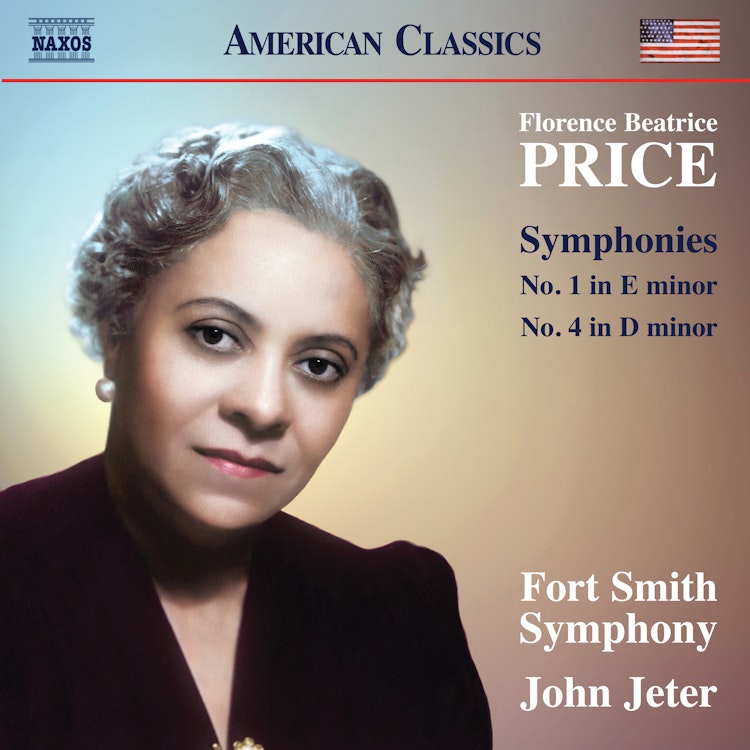
Florence Price, like Antonín Dvořák and Samuel Coleridge-Taylor, integrated elements of Negro spirituals and traditional Negro dances into her symphonic works, believing in their 'potent, poignant, compelling' nature.
Composer Biography
Florence Price, an African American woman, received her initial musical education from her mother because white instructors in her hometown refused to teach her.
Recording & Production
This album features the world premiere recording of Florence Price's Symphony No. 4 in D minor.
Compositional Technique
Florence Price often incorporated a 'juba' dance, an antebellum slave style characterized by complex body percussion and syncopated melodies, into her symphonies instead of a traditional scherzo.
Composer Biography
Florence Price's career as a composer flourished after she moved to Chicago in 1927, where she gained support from leading figures in the Chicago Black Renaissance.
Performer Biography
John Jeter, the music director and conductor of the Fort Smith Symphony, received the 2012 Governor's Award for 'Individual Artist of the State of Arkansas' and the 2002 Helen M. Thompson Award for outstanding music directors.
Notable Performances
The 1933 premiere of Florence Price's Symphony in E minor by the Chicago Symphony Orchestra marked the first time a major American orchestra performed a piece by an African American woman.
You might also enjoy...
Aho, K.: Symphony No. 12, "Luosto"
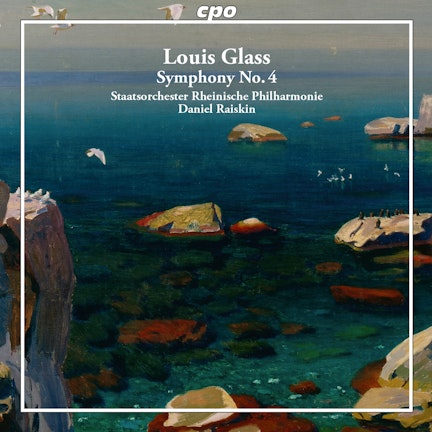
Glass: Symphony No. 4 in E Minor, Op. 43
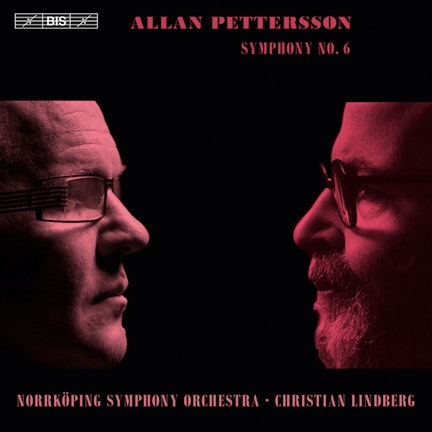
Pettersson, A.: Symphony No. 6
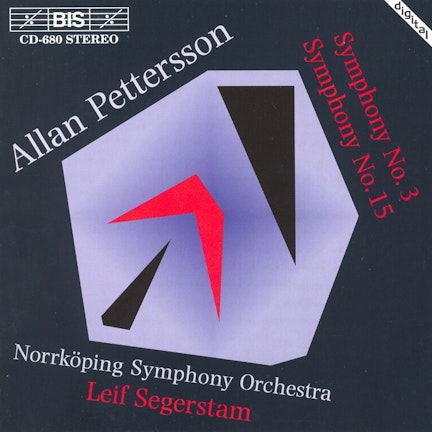
Pettersson: Symphonies Nos. 3 & 15
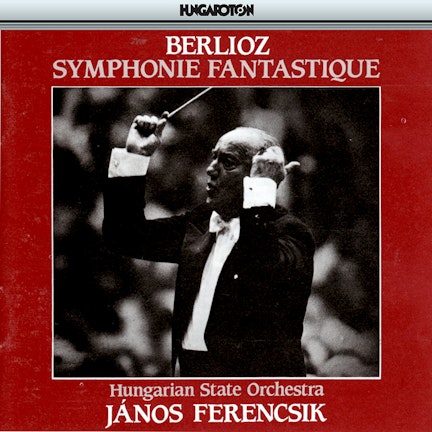
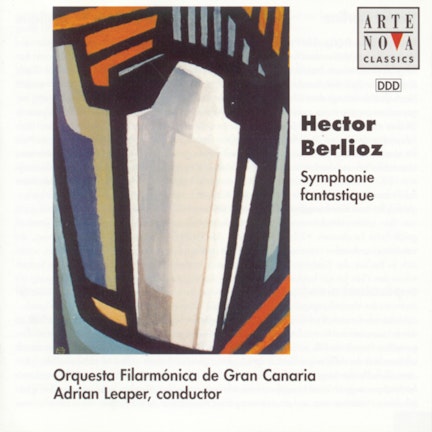
Berlioz: Symphonie Fantastique, Op. 14
Berlioz: Symphonie Fantastique
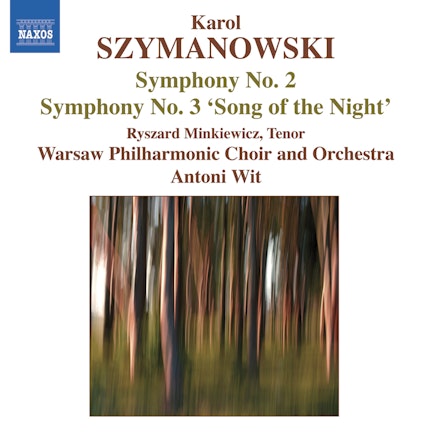
Szymanowski: Symphonies Nos. 2 and 3
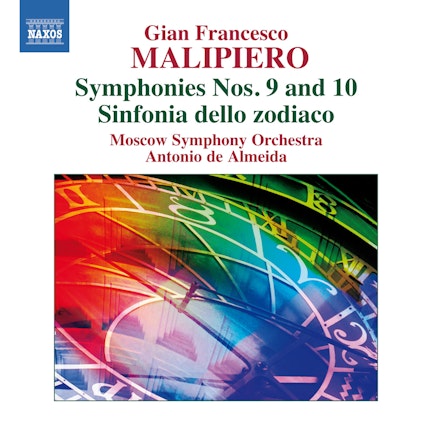
Malipiero: Symphonies Nos. 9 & 10
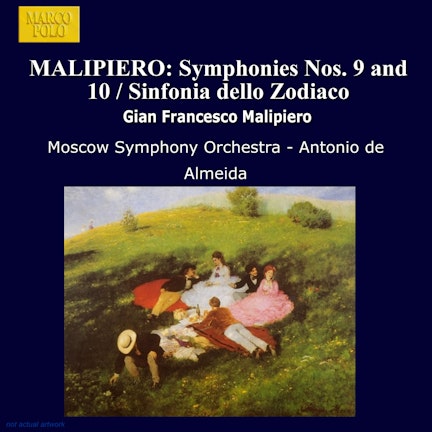
Malipiero: Symphonies Nos. 9 and 10 / Sinfonia Dello Zodiaco
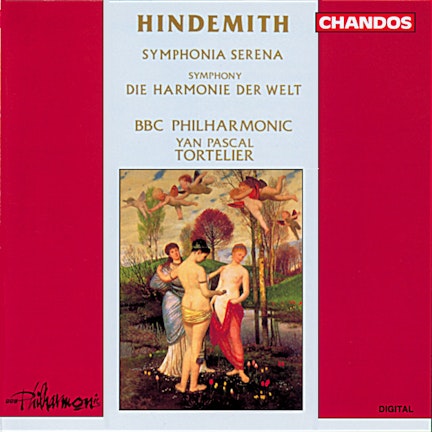
Hindemith: Symphonia Serena / Die Harmonie Der Welt
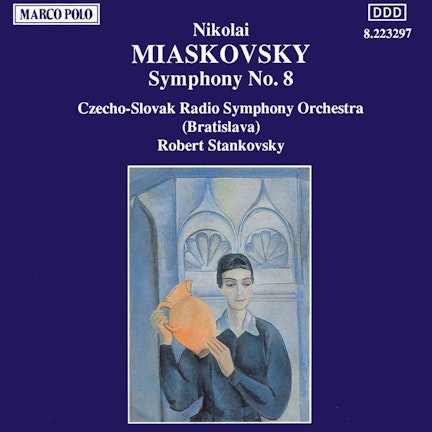
Myaskovsky: Symphony No. 8
Saygun: Symphonies Nos. 1 and 2
Flint Juventino Beppe: OPERIENTES MARE
Gorecki: Symphony No.3, Op.36 "Symphony of Sorrowful Songs" ["Sinfonie der Klageleider"]