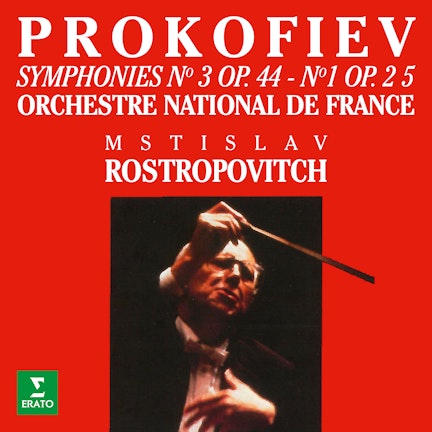
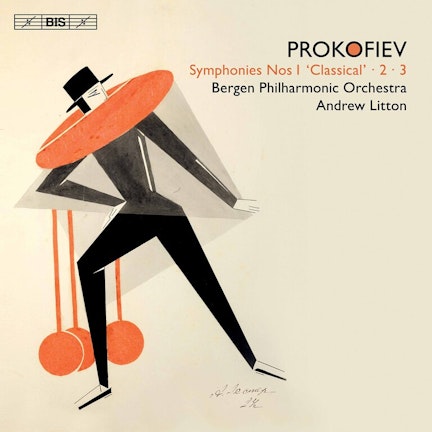
Deutsche Radio Philharmonie Saarbrücken Kaiserslautern
Sergei Prokofiev
Did you know?
1/7
Performer Biography
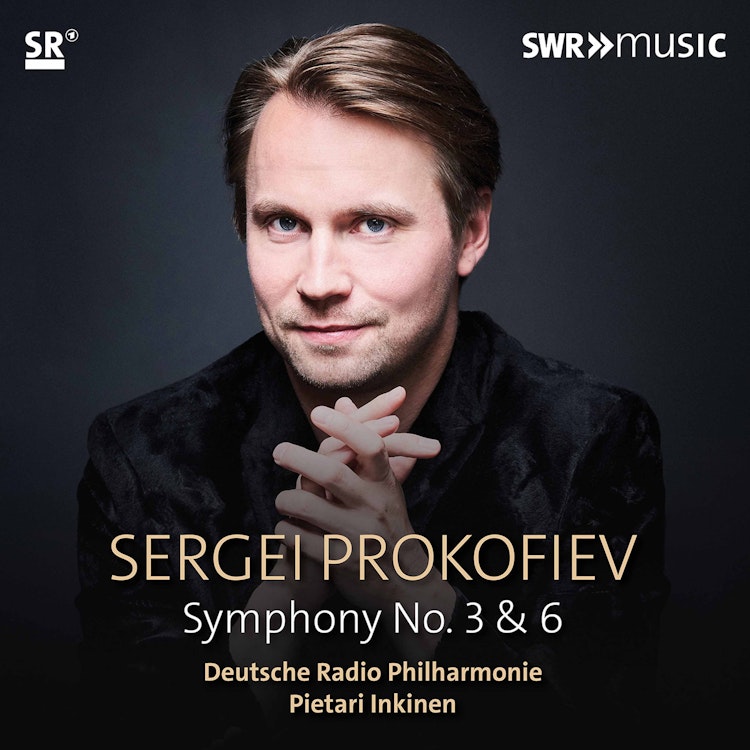
Pietari Inkinen, the chief conductor of the Deutsche Radio Philharmonie, will conduct a new production of Wagner's Ring Cycle at the Bayreuth Festival in summer 2020.
Historical Context
Following the denunciation of his Symphony No. 6 by Soviet authorities in 1948, Prokofiev faced financial difficulties and did not compose another work comparable to it before his death.
Composition History
Prokofiev's Symphony No. 3 originated from his opera "The Fiery Angel", which suffered a "miserable failure" in its operatic career.
Compositional Technique
Prokofiev's Symphony No. 3 uses themes and entire sections from his opera "The Fiery Angel", but he rearranged the material into new configurations for the symphony.
Composer Biography
Prokofiev composed parts of his Symphony No. 6 while ill and confined to bed, after suffering a concussion in spring 1945 from which he never fully recovered.
Composer's Artistic Vision
Prokofiev characterized his Symphony No. 6 as a musical reflection on the losses sustained during World War II, stating that "every single one of us has wounds that have not healed."
Critical Reception
Prokofiev's Symphony No. 6 was initially praised by critics, but within weeks, it was denounced as "formalistic" by Soviet authorities and removed from concert programs.
You might also enjoy...
Tchaikovsky: Symphonies Nos. 1 and 2
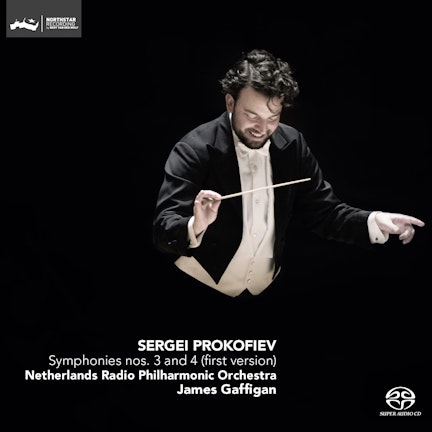
Prokofiev: Symphonies No. 3 and No. 4 (First Version)
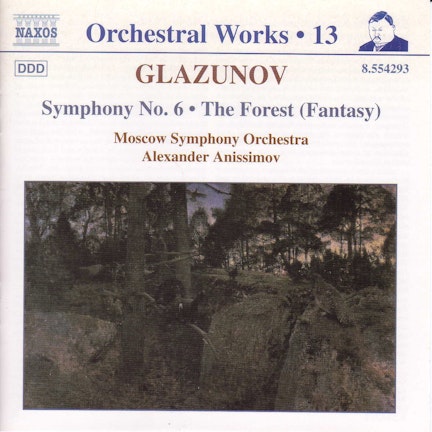
Glazunov: Symphony No. 1 in E Major, Op. 5 / Symphony No. 6 in C Minor, Op. 58