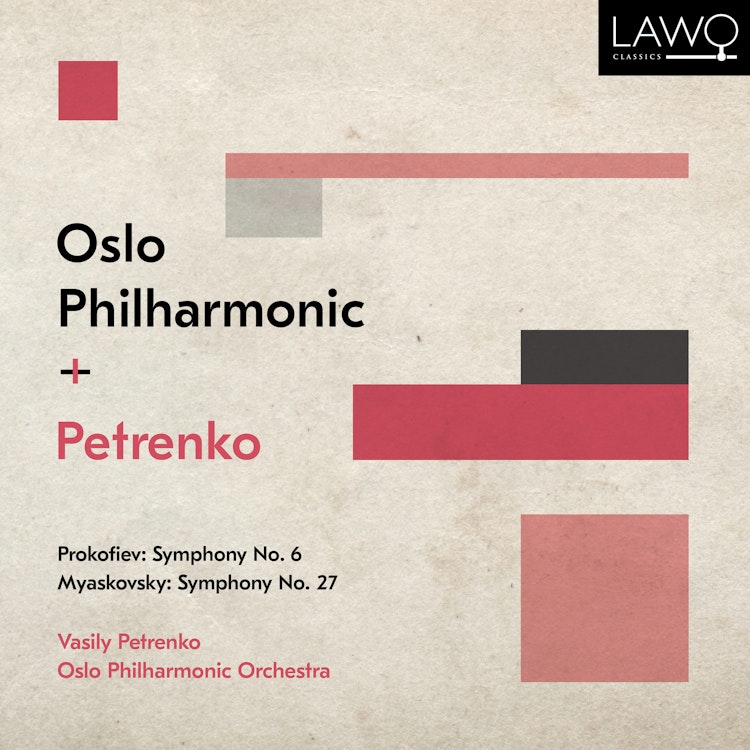
The key of E-flat minor, used in Prokofiev's Symphony No. 6, is extremely rare in symphonic literature, though Myaskovsky also wrote a sixth symphony in that key.
Critical Reception
Prokofiev's Symphony No. 6 was initially well received at its premiere in October 1947 but was publicly condemned the following year and removed from Soviet orchestra repertoires for many years.
Compositional Technique
Prokofiev's Symphony No. 6 is scored for a large orchestra, including instruments like piccolo, English horn, E-flat clarinet, contrabassoon, harp, piano, celesta, and a wide array of percussion.
Composer Biography
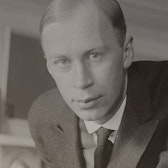
Sergei Prokofiev, despite leaving Russia in 1918 and moving to Paris in the 1920s, inexplicably returned to Russia in the 1930s, coinciding with Stalin's repressive policies.
Historical Context
In 1948, Andrey Zhdanov, secretary of the Central Committee, criticized prominent composers like Shostakovich, Prokofiev, Myaskovsky, and Khachaturian for "formalistic distortions and anti-democratic tendencies."
Historical Context
Both Prokofiev and Myaskovsky, close friends, suffered under the repressive Soviet regime and faced threats of artistic censorship throughout their careers.
Composer Biography
Nikolai Myaskovsky, who completed 27 symphonies, was regarded by Shostakovich as "the major symphonist after Mahler," and Prokofiev described his music as "wise, passionate, gloomy and self-absorbed."
You might also enjoy...
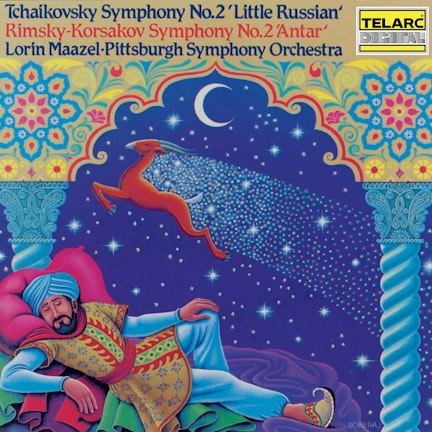
Tchaikovsky: Symphonies Nos. 1 and 2
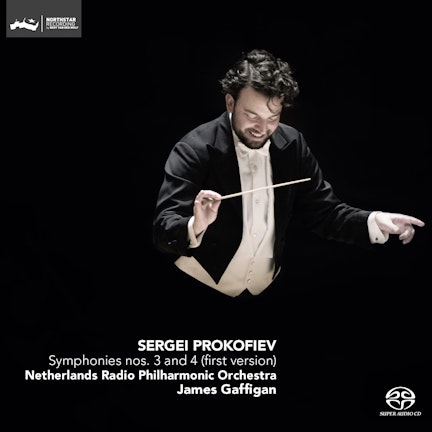
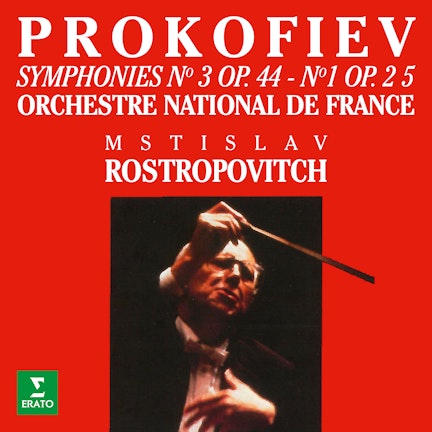
Prokofiev: Symphonies No. 3 and No. 4 (First Version)
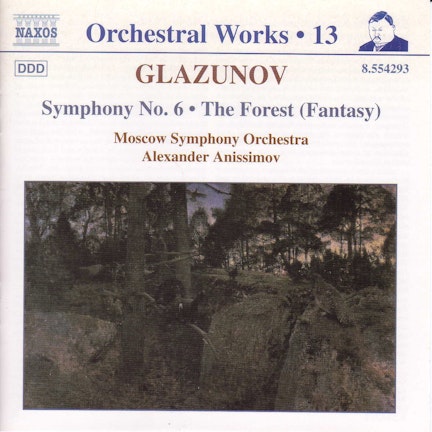
Glazunov: Symphony No. 1 in E Major, Op. 5 / Symphony No. 6 in C Minor, Op. 58
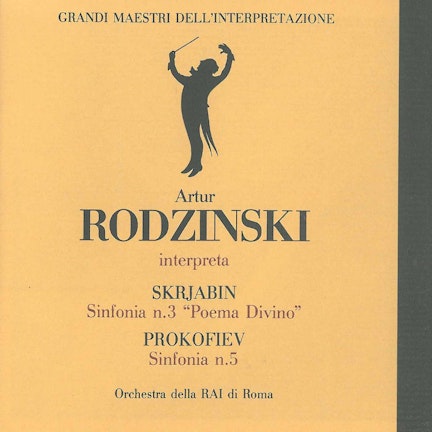
Grandi maestri dell'interpretazione: Artur Rodziński