R. Strauss: Ein Heldenleben, Op. 40, TrV 190 - Magnard: Chant funèbre, Op. 9
12/4/2015, 2 Tracks, 1:01:05
Featuring
Jean-Claude Casadesus
Fernand Iaciu
Orchestre National de Lille
Richard Strauss
Albéric Magnard
Did you know?
1/7
Recording & Production
In April 2015, the Orchestre National de Lille became Europe's first orchestra to go fully digital, boasting a complete digital signal chain from sound pick-up to recording.
Compositional Technique
Ein Heldenleben includes references to Richard Strauss's earlier compositions, such as Don Juan, Also sprach Zarathustra, and Tod und Verklärung, in the section depicting the hero's works of peace.
Composition History
Albéric Magnard's Chant funèbre was written in memory of his father, who died in 1894.
Composer Biography
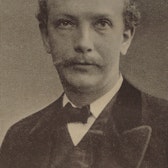
Richard Strauss, a German composer and conductor, was the son of a distinguished horn-player and a member of a rich brewing family.
Composer Biography
Albéric Magnard, a French composer, was the son of Francis Magnard, a distinguished journalist who became editor-in-chief of Le Figaro.
Composition History
Richard Strauss's tone-poem Ein Heldenleben (A Hero's Life) is autobiographical, with its six main sections intricately interwoven to form a single symphonic movement.
Historical Context
Albéric Magnard died in 1914 when German soldiers attacked his country house, and he perished when the house was set on fire after he shot one of the soldiers.
You might also enjoy...
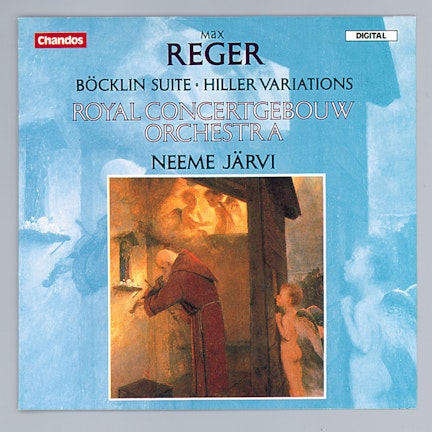
Reger: 4 Tone Poems After Arnold Bocklin / Variations and Fugue On A Theme by Johann Adam Hiller
Mussorgsky: Pictures at an Exhibition
Mussorgsky: Pictures at an Exhibition / Scriabin: Poem of Ecstasy
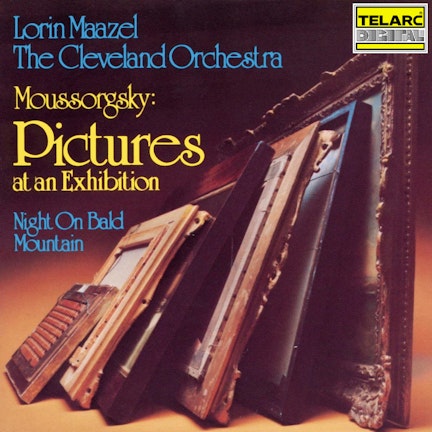
Mussorgki: Pictures at an Exhibition, Night on Bald Mountain
Koechlin, C.: Offrande Musical Sur Le Nom De Bach / Les Bandar-Log
Moussorgsky: Pictures at an Exhibition & Night on Bald Mountain
Mussorgsky - Pictures at an Exhibition & Rimsky-Korsakov - Scheherazade
Mussorgsky: Pictures at an Exhibition; Tchaikovsky: Francesca da Rimini
Strauss: Ein Heldenleben - Varese: Amériques
Strauss: Death and Transfiguration - Hindemith: Symphonic Metamorphosis of Themes by Carl Maria von Weber