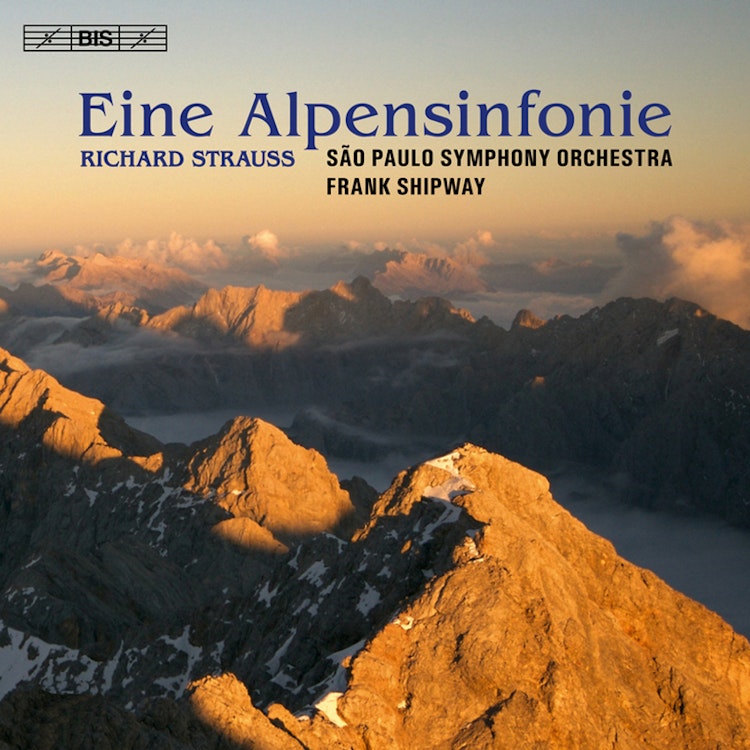
Richard Strauss's Alpensinfonie, despite its title, is not a true symphony but rather the last of his symphonic poems, a genre he had explored since 1886.
Compositional Technique
Strauss specified the use of Bernhard Samuel's Aerophon, a device supplying extra oxygen to wind players via a footpump, due to the immensely long notes in Alpensinfonie.
Compositional Technique
Alpensinfonie is scored for the largest orchestra Strauss ever used for a purely orchestral piece, including quadruple woodwind, eight horns, two harps, and percussion like wind and thunder machines, and cow-bells.
Performer Biography
Frank Shipway, the British conductor, was asked to form the new Orchestra Sinfonica Nazionale della RAI in Italy in 1991 and served as its chief conductor for four years.
Recording & Production
This recording was made in February-March 2012 at the Sala São Paulo, Brazil, using Neumann microphones and high-resolution A/D converters.
Composer's Artistic Vision
Strauss initially planned to call his Alpensinfonie 'The Antichrist' as a reflection of his shared contempt for Christianity with Friedrich Nietzsche, aiming for 'moral purification through one's own strength'.
Composition History
The origins of Alpensinfonie trace back to 1900, when Strauss planned a symphonic poem about a sunrise in Switzerland and an 'artist's love tragedy' in memory of Swiss portrait painter Karl Stauffer.
You might also enjoy...
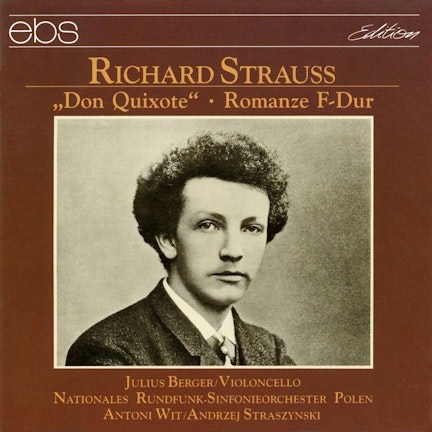
Strauss, R.: Don Quixote / Romance for Cello and Orchestra
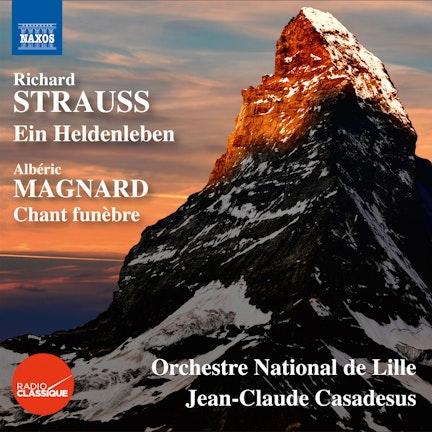
R. Strauss: Ein Heldenleben, Op. 40, TrV 190 - Magnard: Chant funèbre, Op. 9
Rimsky-Korsakov: Scheherazade, Sadko, Fantasia on Serbian Themes, At the Grave
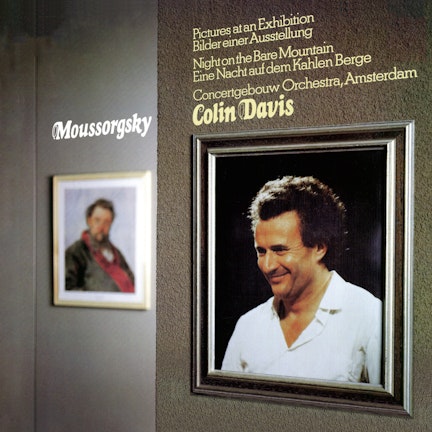
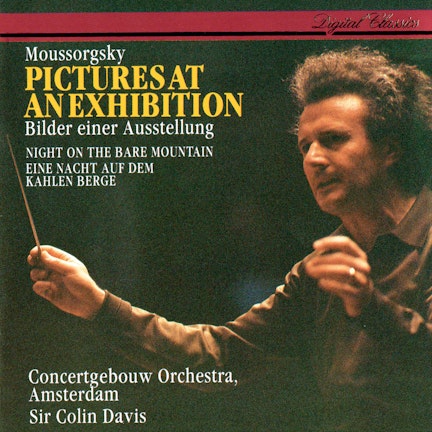
Mussorgsky: Pictures at an Exhibition; Night on a bare mountain
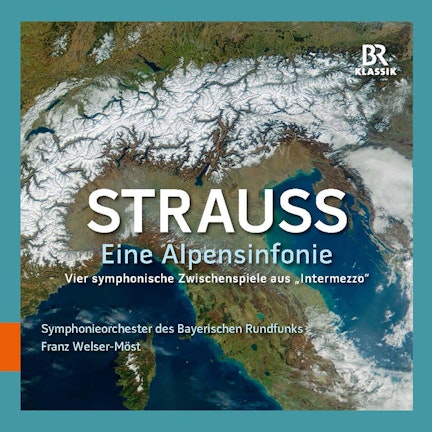
Strauss: Eine Alpensinfonie & Vier symphonische Zwischenpiele aus 'Intermezzo'
Richard Strauss: Works for Violoncello & Orchestra
Rimsky-Korsakov: Scheherazade/Capriccio Espagnol
Mussorgki: Pictures at an Exhibition, Night on Bald Mountain
Mussorgsky: Pictures at an Exhibition
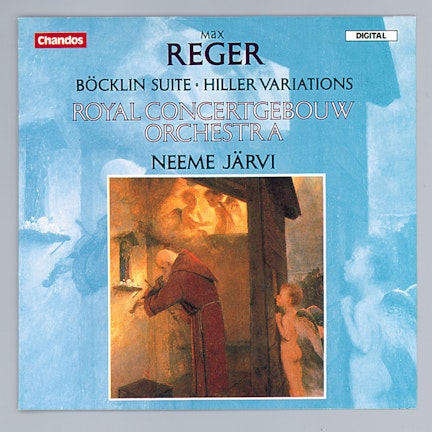
Reger: 4 Tone Poems After Arnold Bocklin / Variations and Fugue On A Theme by Johann Adam Hiller
Mussorgsky: Pictures At An Exhibition; Night On The Bare Mountain
Reger, M.: Variations and Fugue On A Theme of Mozart / 4 Tondichtungen Nach Arnold Bocklin