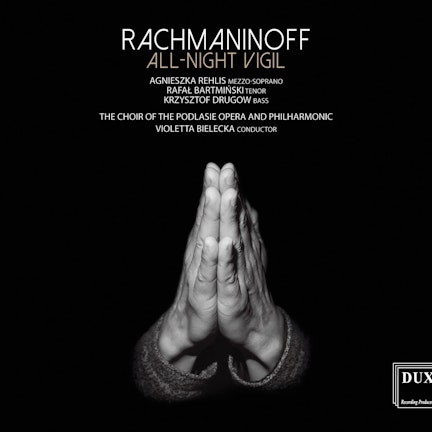
Rachmaninoff's friend, composer Alexander Goedicke, noted that Rachmaninoff loved church singing and would often attend early morning services at Andronikov Monastery to hear ancient chants.
Compositional Technique
Rachmaninoff used traditional melodies from the Russian Orthodox Church hymnal in ten of the fifteen numbers of his Vespers, characterizing it as an 'imitation of style'.
Composition History
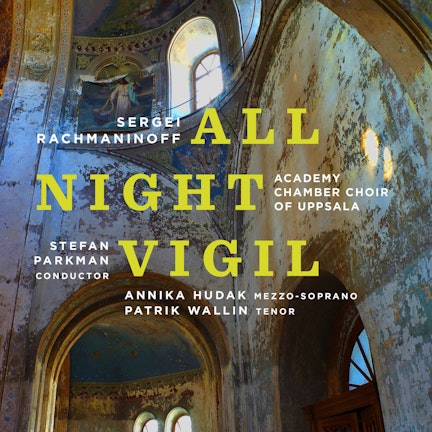
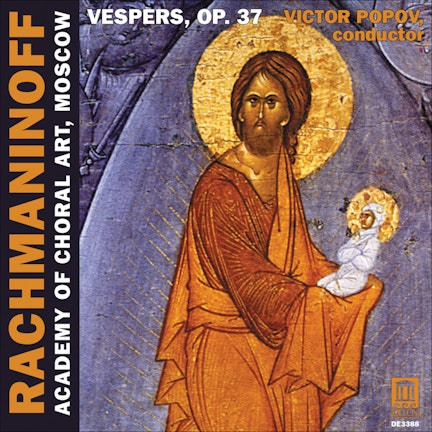
Rachmaninoff's Vespers, Op. 37, also known as All-Night Vigil, was completed in just two weeks in early 1915, though he had been contemplating it since the turn of the century.
Critical Reception
The premiere of Rachmaninoff's Vespers on March 10, 1915, was so rapturously received that the ban on applause normally enforced for sacred music performances was ignored.
Compositional Technique
Rachmaninoff's 'favorite' piece in the Vespers was the fifth piece, Simeon's Song of Praise, and he wished for it to be performed at his own funeral.
Historical Context
After the October Revolution and the founding of the Soviet Union, strict church regulations and ideological opposition made performances of Rachmaninoff's Vespers impossible for decades.
Composer Biography
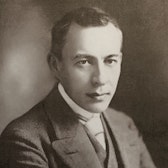
Sergei Rachmaninoff, though known for piano and symphonic works, also composed significant choral pieces, demonstrating his deep connection to Orthodox church music.