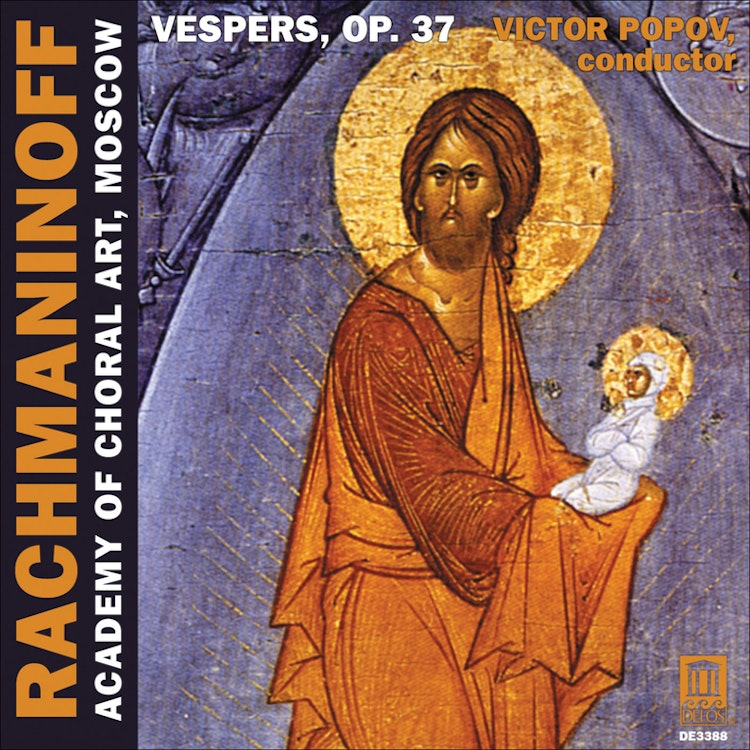
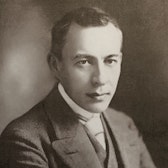
Despite being banned from concert halls, Rachmaninoff's Vespers continued to be performed in Orthodox churches, with a tradition emerging in the 1960s and 70s to perform it on Easter Eve.
Performer Biography
The Academy of Choral Art, Moscow, founded by Victor Popov in 1991, continues a 1000-year tradition of Russian choral singing and specializes in reviving early Russian religious music.
Notable Performances
The premiere of Rachmaninoff's Vespers took place on March 10, 1915, in Moscow, performed by the Synodal School Choir.
Compositional Technique
Rachmaninoff's Vespers is notable for its novelty, combining Old-Russian church chants with his unique artistic vision to create a 'philosopher's stone' of sound.
Historical Context
After its premiere, the concert performances of Rachmaninoff's Vespers were hindered by church restrictions, World War I, the Russian Revolution, and Soviet ideology, leading to a 60-year hiatus from concert halls.
Composer's Artistic Vision
Rachmaninoff was fascinated by the chants from the Obikhod, the Book of Canticles of the Russian Church, since childhood and aimed to adapt their character chorally in his Vespers.
Composition History
Rachmaninoff's Vespers, a work he conceived in the early 1900s, was composed in just two weeks during the winter of 1915 in Moscow.
You might also enjoy...
Rachmaninoff: All-Night Vigil, Op. 37 "Vespers"
Rachmaninoff: All-night Vigil, Op. 37 "Vespers"
Rachmaninoff: All-Night Vigil
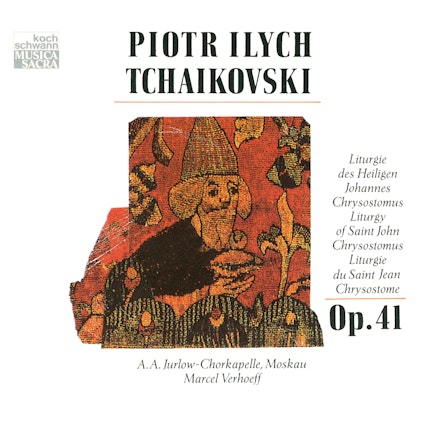
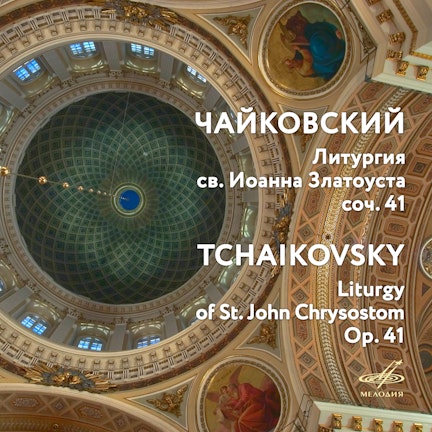
Tchaikovsky: Liturgy of St. John Chrysostom
Weir: In the Land of Uz & Beach: The Canticle of the Sun
Tchaikovsky: Liturgy of St. John Chrysostom, Op. 41
Mit hjerte altid vanker
Peter Maxwell Davies: O Magnum Mysterium
Tchaikovsky: Liturgy of St. John Chrysostom, Op. 41
Tchaikovsky: Liturgy of St. John Chrysostom, Op. 41, TH 75 (Excerpts) & 9 Sacred Pieces, TH 78
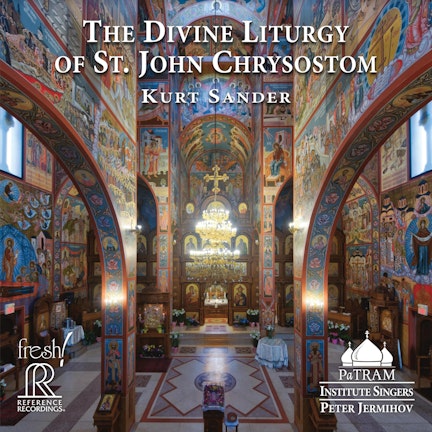
Kurt Sander: The Divine Liturgy of St. John Chrysostom