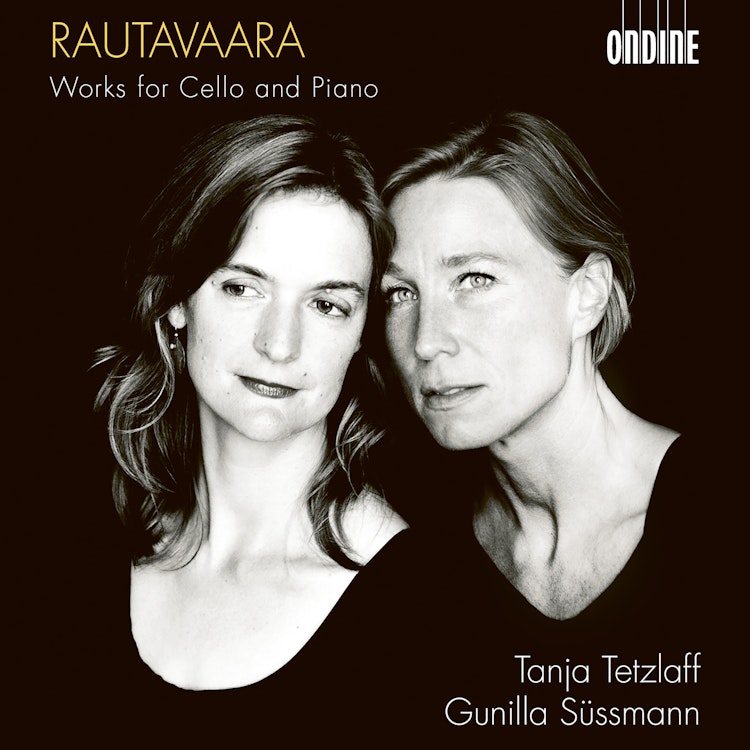
Pianist Gunilla Süssmann was diagnosed with focal dystonia in her right hand shortly after this recording, making her future ability to play uncertain.
Composition History
Rautavaara's Cello Sonata No. 1 was begun in 1972 but only completed in 2001 after the score was discovered among the papers of cellist Erkki Rautio's son, Martti Rautio.
Compositional Technique
Rautavaara's Sonata for Solo Cello is structured in four movements following the slow-fast-slow-fast scheme of Baroque church sonatas, with a motto theme recurring throughout the work.
Composer's Artistic Vision
Rautavaara's compositional style evolved from Neo-Classicism to dodecaphony and serialism in the 1950s, then to a broader Neo-Romantic or 'post-modern' style in the 1960s, synthesizing these approaches in his later career.
Composition History
Rautavaara's Cello Sonata No. 2 originated from his work Dialogos, which received third prize in a 1975 competition but was not performed, and later incorporated themes from his opera Auringon talo.
Composition History
All three of Rautavaara's cello sonatas were inspired by Erkki Rautio, a leading Finnish cellist of his generation, who also premiered Rautavaara's Cello Concerto.
Composer Biography
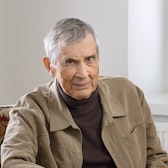
Einojuhani Rautavaara, the composer, lived in the 18th-century Baroque palace of Schönburg in Vienna in 1955, which was still bearing the marks of World War II.
You might also enjoy...
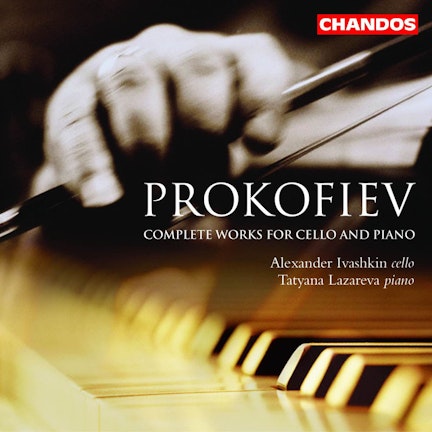
Prokofiev: Complete Works for Cello and Piano
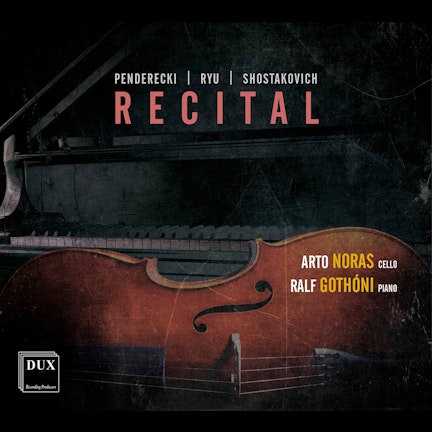
Penderecki, Ryu & Shostakovich: Cello Works
Shostakovich / Schnittke: Cello Sonatas / Stravinsky: Suite Italienne
Shostakovich & Kabalevsky: Cello Sonatas
Percy Sherwood: Complete Works for Cello and Piano
Raphaela Gromes - Julian Riem: Violoncellosonaten - Strauss & Mendelssohn
Sonatas for Cello and Duplex Piano
Beethoven, Shostakovich & Ryu: Sonatas for Cello & Piano