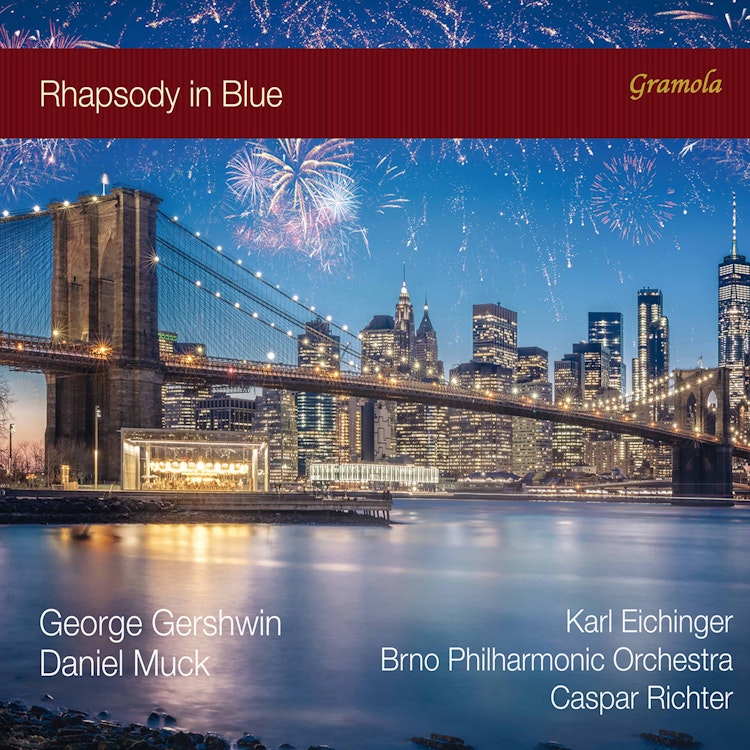
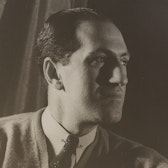
Gershwin composed "Rhapsody in Blue" under significant time pressure after public announcements that he would contribute a jazz concerto to a program called 'An Experiment in Modern Music'.
Critical Reception
Despite the audience's love for "Rhapsody in Blue", initial critical reviews were mixed, with some critics finding fault with its perceived formlessness.
Compositional Technique
The title "Rhapsody in Blue" refers to the piece's free formal structure (rhapsody) and was suggested by George's brother, Ira Gershwin, referencing colors in paintings by James McNeill Whistler.
Cultural Impact
After its premiere, "Rhapsody in Blue" became a central and celebrated symbol of American music culture internationally.
Notable Performances
The premiere of "Rhapsody in Blue" on February 12, 1924, in New York's Aeolian Hall, was attended by famous musicians including Walter Damrosch, Jascha Heifetz, and Sergei Rachmaninoff.
Composition History
George Gershwin's "Rhapsody in Blue" was created at the initiative of bandleader Paul Whiteman, who wanted a piece to establish jazz in concert halls.
Compositional Technique
The orchestration for "Rhapsody in Blue" was initially done by Ferde Grofé, an excellent composer and arranger, because Gershwin had not yet attained professional skill in that area.
You might also enjoy...
Wiklund: Piano Concertos Nos. 1 & 2 (Hyperion Romantic Piano Concerto 57)
Godard: Piano Concertos (Hyperion Romantic Piano Concerto 63)
Prokofiev : Piano Concertos Nos 1- 5
Prokofiev: Piano Concertos Nos 1-5
Shostakovich: Piano Concertos & Piano Trio No. 2
Poulenc: Piano, Harpsichord & Organ Concertos
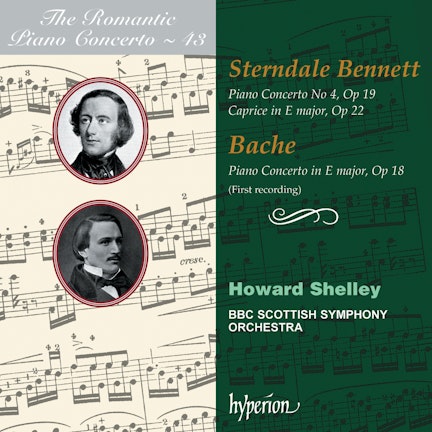
Sterndale Bennett: Piano Concerto No. 4 – Bache: Piano Concerto (Hyperion Romantic Piano Concerto 43)
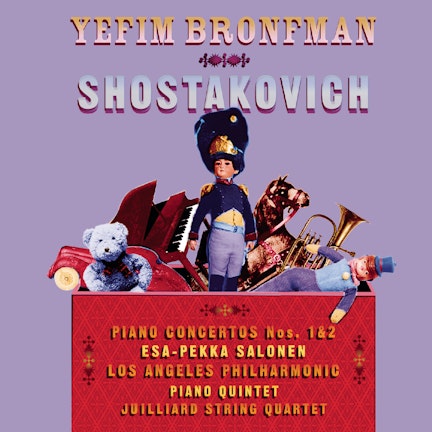
Shostakovich: Piano Concertos Nos. 1 & 2, Piano Quintet
Shostakovich: Piano Concertos Nos. 1 & 2, Piano Quintet
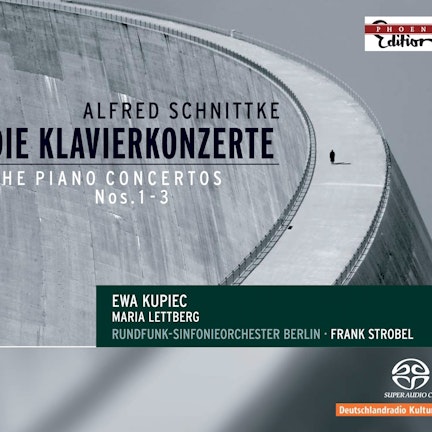
Schnittke, A.: Piano Concerto / Concerto for Piano and String Orchestra / Concerto for Piano 4-Hands and Chamber Orchestra
Saint-Saens / Roussel: Piano Concertos
Tchaikovsky: Piano Concerto No.1; Variations on a Rococo Theme
Poulenc: Piano Concerto/Organ Concerto/Gloria etc.