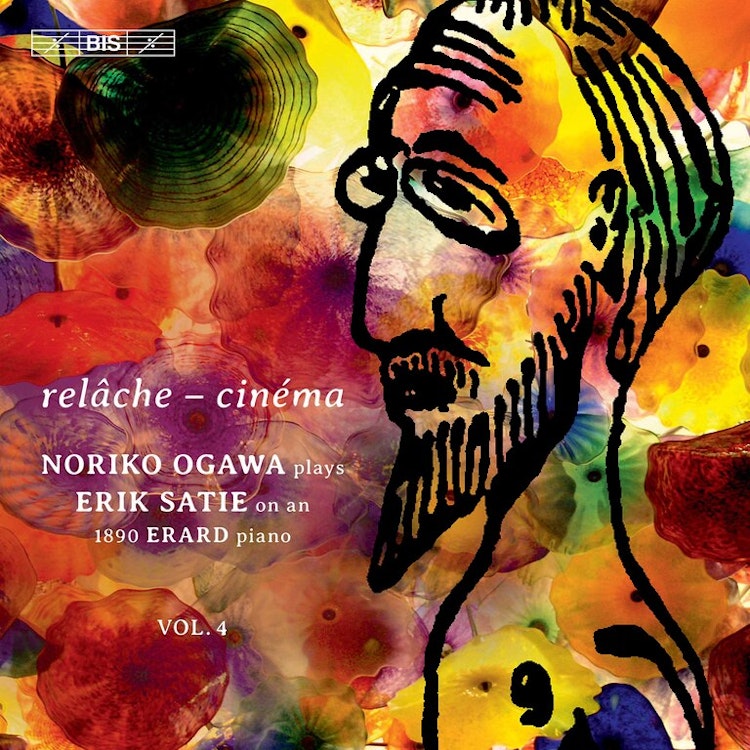
Satie explained his method for Relâche, stating he depicted characters 'on a spree' using popular themes, and that he only tolerated the public as his judge, not 'timorous ones' or 'moralists'.
Composer Biography
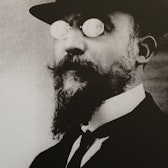
Erik Satie, the composer, learned his profession as a café concert pianist at the end of the 19th century before enrolling at the Schola Cantorum de Paris at the age of 39.
Composition History
Satie's ballet Parade, a collaboration with Jean Cocteau, Picasso, and Léonide Massine, caused a massive scandal in 1916 but also brought him public recognition and commissions.
Composer's Artistic Vision
Satie's music, even after gaining sophistication, never lost its popular touch, its penchant for parody, and a sometimes caustic humor typical of café-concerts.
Recording & Production
Musicologist Robert Orledge credits Satie with inventing synchronized sound film through his Entr'acte/Cinéma, where the pianist is instructed to repeat segments to match the film.
Compositional Technique
Satie's Prelude to 'La mort de Monsieur Mouche' is believed to be one of the first European compositions to show the influence of ragtime, which Satie likely encountered through scores a friend brought from the United States.
Compositional Technique
For the premiere of Le Piège de Méduse, Satie reportedly placed paper sheets between the piano strings to achieve a muffled, mechanical sound, anticipating John Cage's prepared piano.
You might also enjoy...
Weber: Piano Sonata No. 2, Rondo brillante, Invitation to the Dance & Polacca brillante