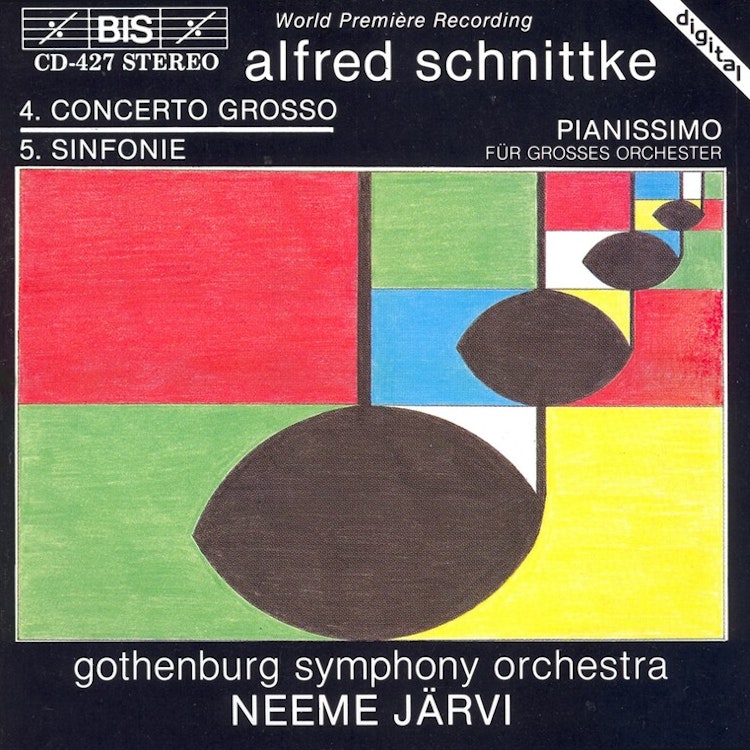
Schnittke's "Concerto Grosso Symphony" title indicates polystylisticism by combining the Baroque Concerto Grosso form with the Symphony.
Compositional Technique
Schnittke's "Pianissimo for large orchestra" forces a huge orchestral apparatus to play as quietly as possible for long stretches, creating fluctuating sound structures experienced as color values.
Composition History
Schnittke's Fifth Symphony was commissioned by the Concertgebouw Orchestra in Amsterdam for its 100th anniversary.
Composer's Artistic Vision
Alfred Schnittke describes his polystylistic approach as "the conscious collaboration of different styles and their effects upon each other, -not merely blind eclecticism."
Composer's Artistic Vision
Alfred Schnittke describes his compositional process as "deciphering," where he tries to capture sonic visions as accurately as possible in music.
Composer Biography
Alfred Schnittke, whose father was a Jewish translator and journalist from Frankfurt and whose mother was a Volga German, was born in 1934.
Compositional Technique
Schnittke's polystylistic technique develops an autonomous musical language through adaptations, combinations, and assimilations of styles.
You might also enjoy...
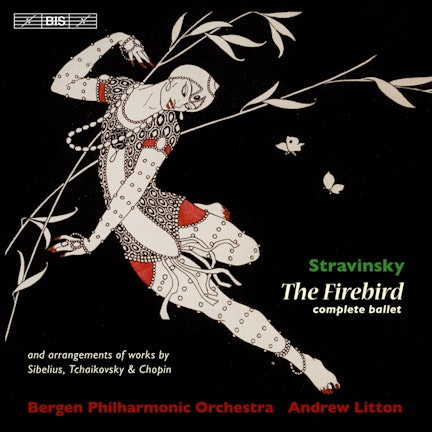
Stravinsky: The Firebird
Barber: Medea's Meditation and Dance of Vengeance, Music for a Scene from Shelley, Three Essays for Orchestra & Excerpts from Vanessa
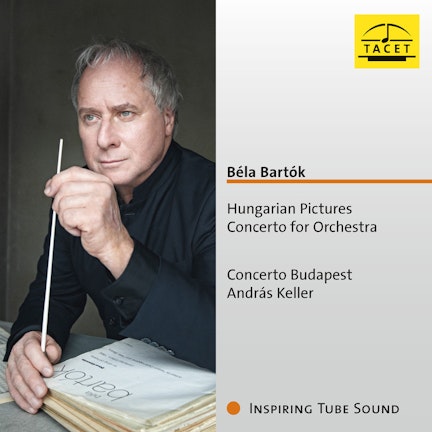
Béla Bartók: Hungarian Pictures, Concerto for Orchestra
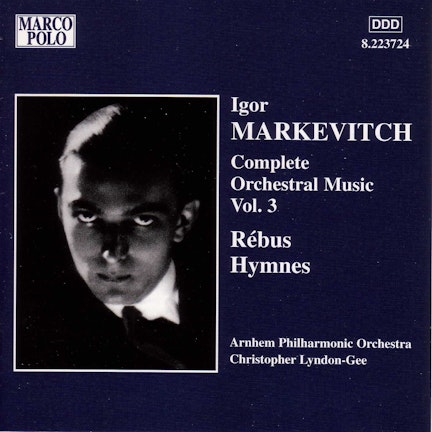
Markevitch: Orchestral Music, Vol. 3 - Rebus / Hymnes
Markevitch: Orchestral Music, Vol. 3 - Rebus / Hymnes
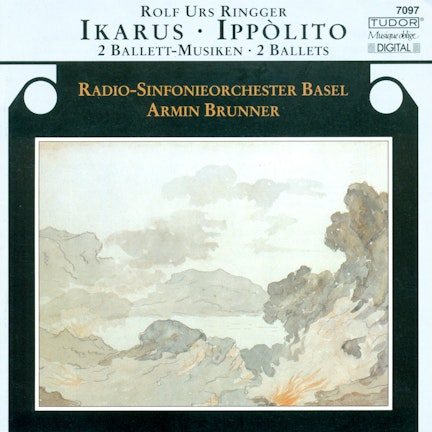
Ringger, R.U.: Ikarus / Ippolito
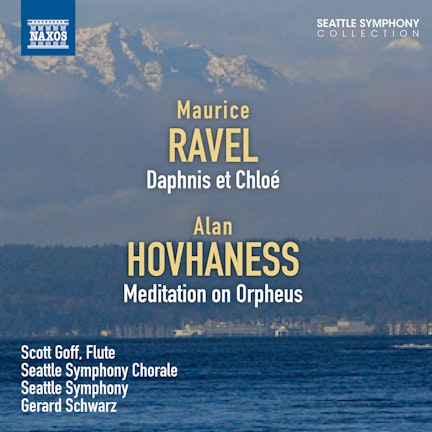
Ravel: Daphnis et Chloé - Hovhaness: Meditation on Orpheus
Markevitch, I.: Complete Orchestral Works, Vol. 4
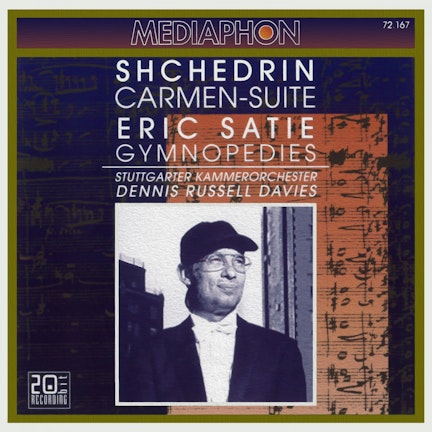
Shchedrin: Carmen-Suite - Satie: Gymnopédies
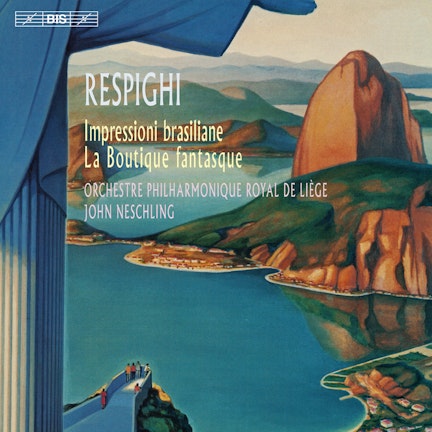
Respighi: Impressioni brasiliane & La Boutique fantasque
Celso Garrido-Lecca: Orchestral Works
Freitas: The Silly Girl's Dance - The Wall of Love - Medieval Suite - Ribatejo