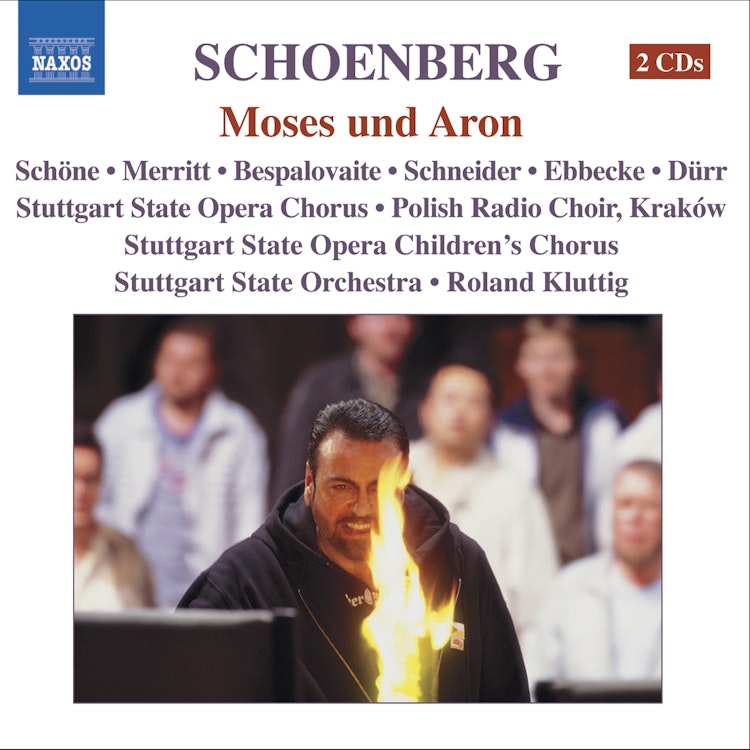
Schoenberg's opera Moses und Aron, written between 1928 and 1932, remained unfinished, with only the first two of three planned acts completed.
Composer's Artistic Vision
Schoenberg's opera focuses on the personality clashes between Moses, Aaron, and the people, rather than direct references to contemporary political implications of the Exodus story.
Interpretation
Schoenberg assigned Aaron's eloquent role to a lyrico-dramatic tenor voice and Moses' 'slowness of tongue' to a spoken part, emphasizing 'song' as lucid verbal communication.
Recording & Production
This recording of Moses und Aron was made live on multiple dates in December 2003 at the Staatsoper Stuttgart, Germany.
Compositional Technique
Moses und Aron represents the climax of Schoenberg's association with the dodecaphonic method, a 'method of composition with twelve notes related only to each other'.
Historical Context
Arnold Schoenberg, a Jewish artist, began clarifying his relationship with Judaism in the 1920s and 1930s due to increasing antisemitism in Germany and Austria.
You might also enjoy...
Wagner: Lohengrin, WWV 75 (Live)
Wagner, R.: Gotterdammerung (Ring Cycle 4)
Wagner, S.: Banadietrich
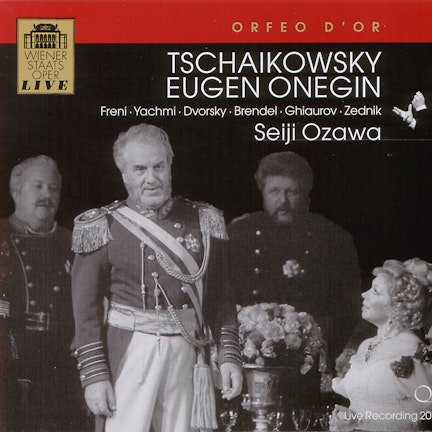
Tchaikovsky: Eugene Onegin
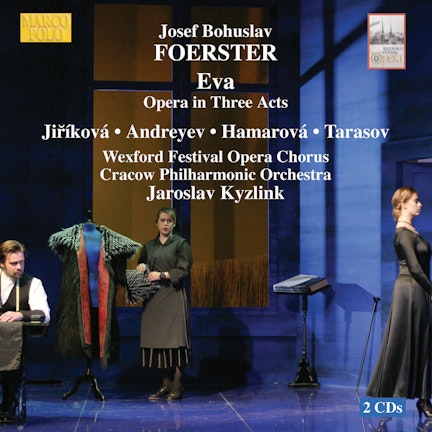
Foerster: Eva
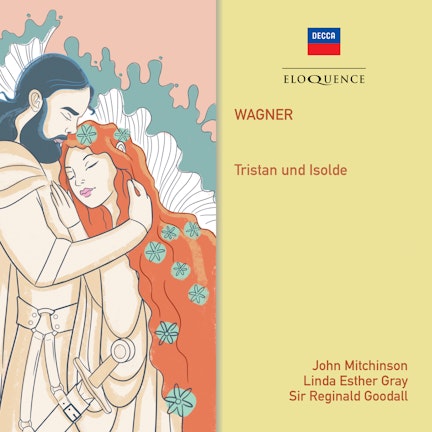
Wagner: Tristan und Isolde
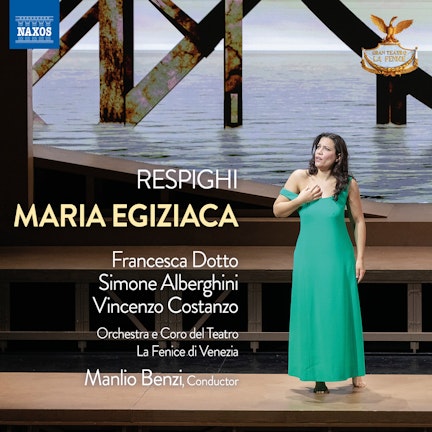
Respighi: Maria Egiziaca
Berlioz: La Damnation de Faust
Fremd
Albéniz: Merlin
Gluck: Orfeo Ed Euridice
Wagner: Parsifal
Wagner: Der fliegende Holländer (The Flying Dutchman)