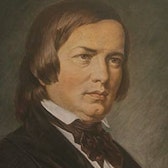
Robert Schumann's childhood was difficult; his sister committed suicide when he was sixteen, and his father died shortly thereafter.
Composition History
The Davidsbündlertänze, despite its Op. 6 number, was composed later than implied, as Schumann reserved the opus number because the work opens with a motto from a Mazurka in Clara Wieck's own Op. 6.
Compositional Technique
In the Davidsbündlertänze, Schumann used the pseudonyms Florestan and Eusebius to represent the impetuous and dreaming sides of his nature, respectively, signing each piece with one of their initials in the original edition.
Composer's Artistic Vision
Schumann conceived the Davidsbund as a secret society dedicated to fighting the musical 'Philistines' of his era and elevating the art of music.
Performer Biography
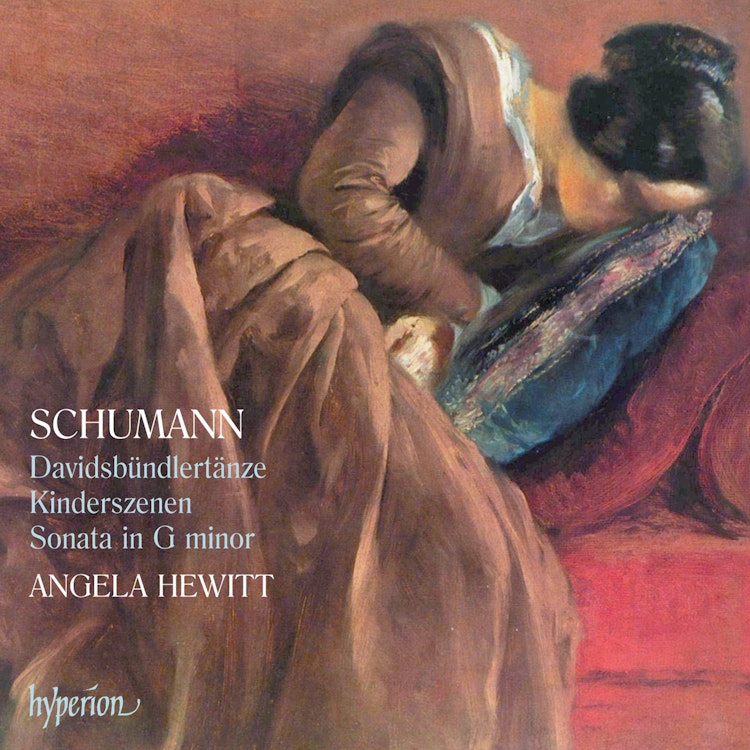
Angela Hewitt, the pianist on this recording, is known for her award-winning recordings for Hyperion, including her acclaimed series of Bach's major keyboard works.
Composition History
Clara Wieck, a seasoned performer and Schumann's future wife, advised him to revise the difficult finale of his Piano Sonata No. 2 in G minor, Op. 22, which he did.
Composition History
Schumann wrote many of his major piano works, including the three on this recording, between 1834 and 1839, during a period when he was often separated from Clara Wieck, who later became his wife.
You might also enjoy...
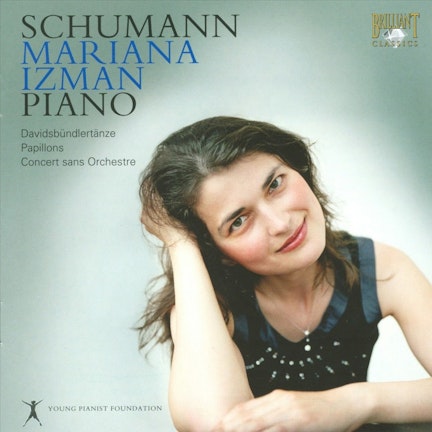
Schumann: Mariana Izman
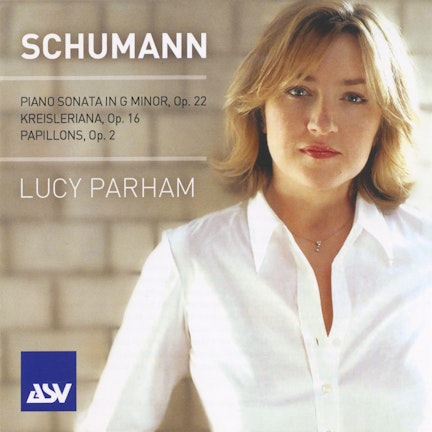
Schumann: Piano Sonata in G minor; Kreisleriana; Papillons
Schumann: Carnaval, Op. 9 - Papillons, Op. 2 - Sonata in G Minor, Op. 22