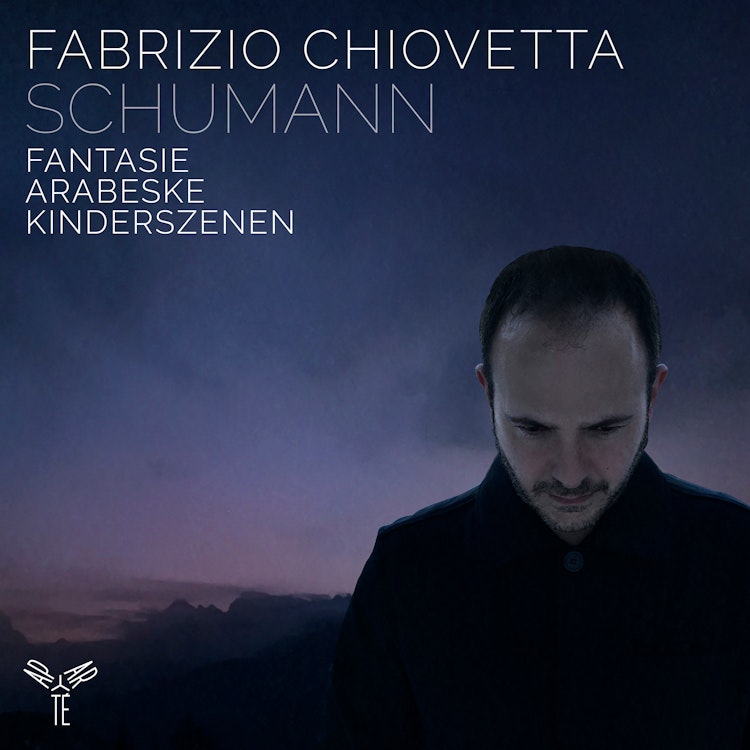
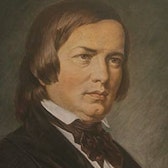
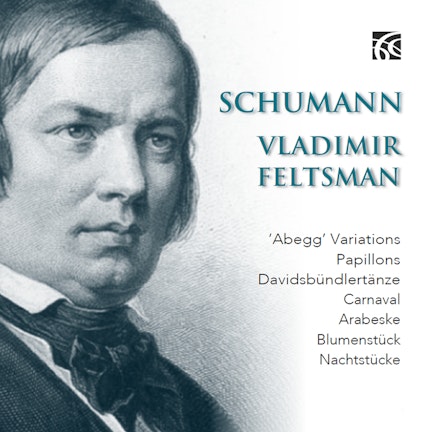
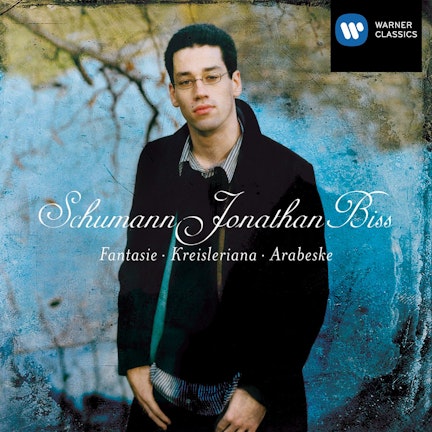
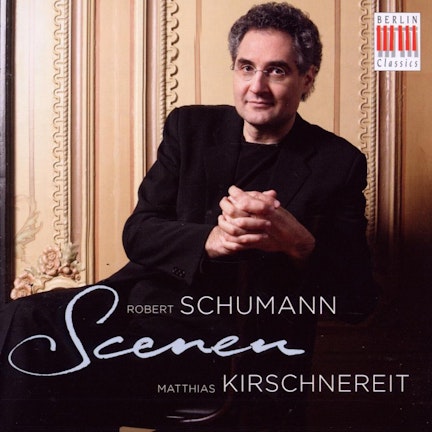
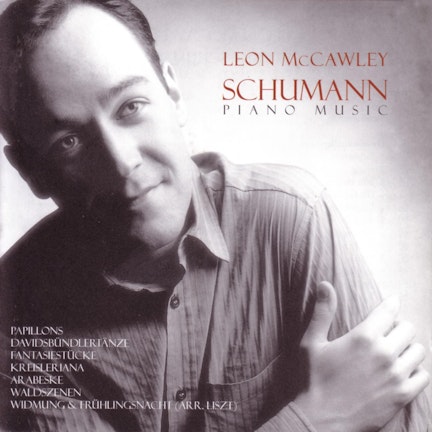
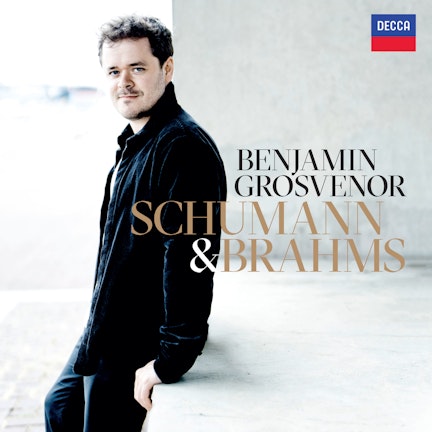
The years 1836-1839 were a highly productive period for Robert Schumann, seeing the creation of many important piano works, despite personal difficulties with Clara Wieck's father.
Recording & Production
This album was recorded in 24-bit/96kHz at the Gustav Mahler Hall in Dobbiaco, Italy, between March 5 and 7, 2022.
Composition History
The Fantasie, Op. 17, was initially conceived as part of a 'Grand Sonata' for Beethoven, intended to raise funds for a monumental statue of Beethoven in Bonn.
Composition History
Schumann's Fantasie in C major, Op. 17, originated as a 'fantasy' for Clara Wieck titled 'Ruinen' (Ruins), reflecting his despair at their separation.
Composition History
The picturesque titles for the pieces in Schumann's 'Kinderszenen' (Scenes from Childhood), Op. 15, were added after the music was composed, as hints for performers.
Composer's Artistic Vision
Robert Schumann dedicated the Fantasie, Op. 17, to Franz Liszt, but its true inspiration was Clara Wieck, to whom Schumann wrote that the first movement was a 'heart-rending lament' for her.
Compositional Technique
The coda of the first movement of Schumann's Fantasie quotes a passage from Beethoven's song cycle 'An die ferne Geliebte' (To the Distant Beloved), serving as a secret love message to Clara Wieck.