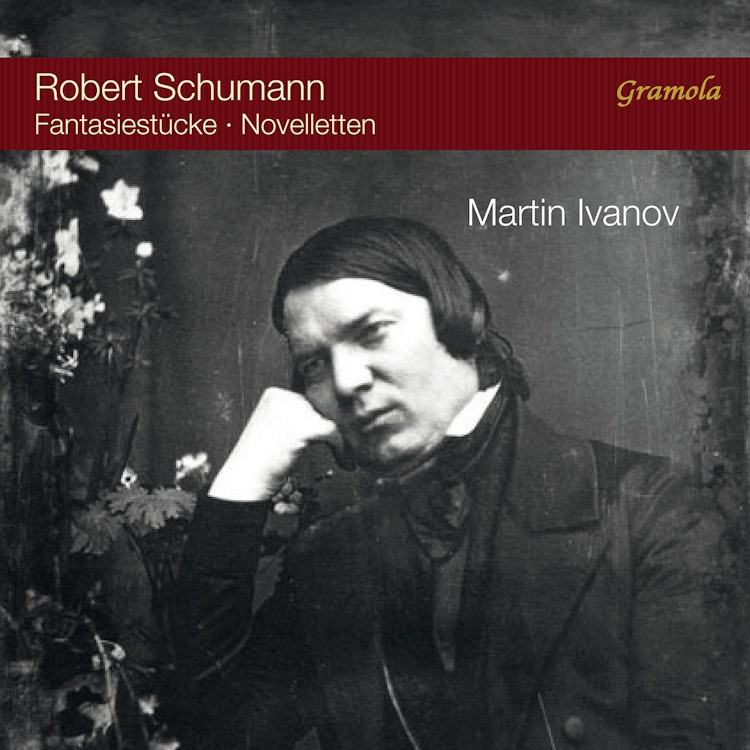
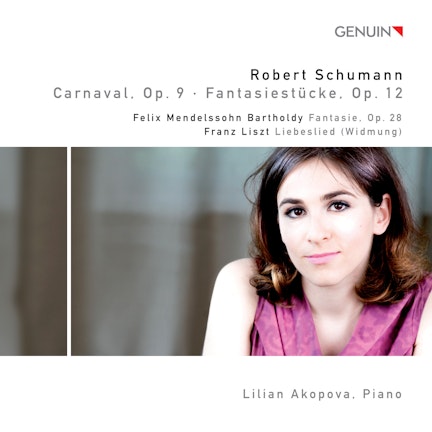
Schumann dedicated the Fantasiestücke Op. 12 to the young Scottish pianist Robena Anne Laidlaw, whom he befriended in Leipzig in 1837.
Compositional Technique
The Noveletten Op. 21 feature a highly virtuosic piano style typical of High Romanticism, prioritizing short, often dance-like forms and the juxtaposition of self-contained musical blocks.
Performer Biography
Pianist Martin Ivanov began studying piano at age four with his mother and has won numerous international competitions, including Young Virtuosos 2004 and Maria Canals 2013.
Composer Biography
Robert Schumann's piano works are often connected to his beloved and later wife, Clara Wieck, though the Fantasiestücke Op. 12 were composed during a period of separation.
Composition History
Schumann's Noveletten Op. 21 are named after the English soprano Clara Novello, though he humorously suggested 'Wiecketten' (referring to Clara Wieck) would not have been suitable.
Composer's Artistic Vision
Schumann often used contrasting pairs in his music, such as a 'masculine' theme against a 'feminine' one, or the characters 'Florestan' and 'Eusebius' from his music criticism.
Composition History
The title of Schumann's Fantasiestücke Op. 12 is inspired by E. T. A. Hoffmann's 'Fantasiestücke in Callots Manier,' reflecting a Romantic theme of self-reflection.
You might also enjoy...
Stenhammar: Piano Music
Robert Schumann: Piano Works Volume 2
Martucci: 6 Piano Pieces, Novella, Fantasia, 2 Nocturnes
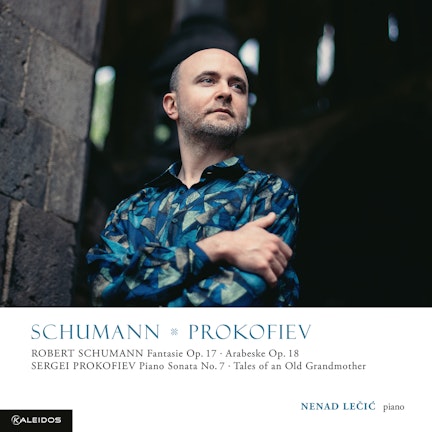
Schumann & Prokofiev: Piano Works
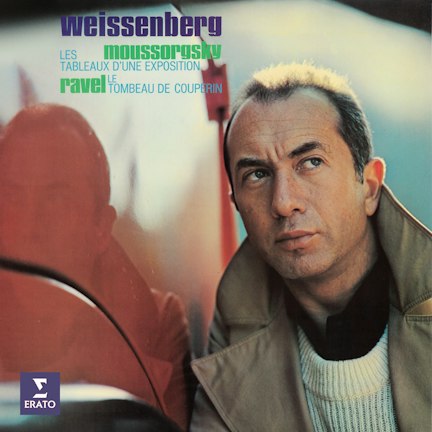
Mussorgsky: Pictures at an Exhibition - Ravel: Le Tombeau de Couperin
Gurdjieff / De Hartmann: Complete Music for the Piano