Scriabin studied with Nikolai Zverev, who also taught Rachmaninov, and graduated from the Moscow Conservatory with a gold medal in 1892.
Compositional Technique
The Third Symphony features a double motto theme introduced in the beginning, with a portentous bass phrase followed by a rising trumpet figure, which recurs throughout the work.
Compositional Technique
Despite its chromatic and static harmony, 'The Poem of Ecstasy' broadly follows traditional sonata form, with exposition, development, recapitulation, and coda.
Composer's Artistic Vision
Scriabin's later style was closely linked to his mystical obsessions, influenced by Nietzsche and a philosophy that exalted the individual ego and senses.
Composer's Artistic Vision
Scriabin's 'The Poem of Ecstasy' (Symphony No. 4) was conceived with a 'philosophical programme' in mind, with the ecstasy being artistic rather than religious or erotic.
Composer Biography
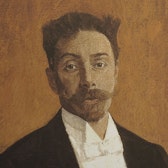
Alexander Scriabin, born into an aristocratic family in Moscow, was a shy and unsociable child who became fascinated with piano mechanisms.
Composition History
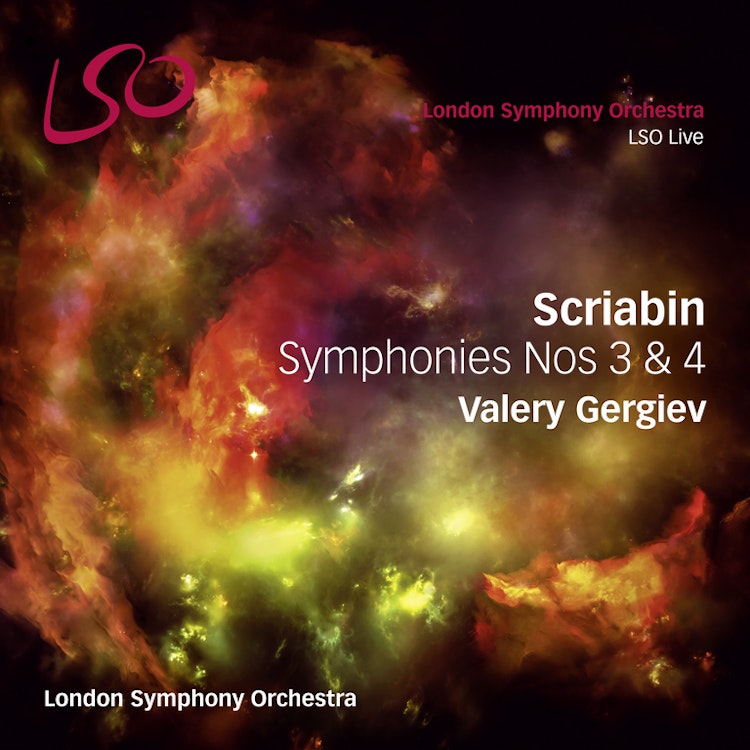
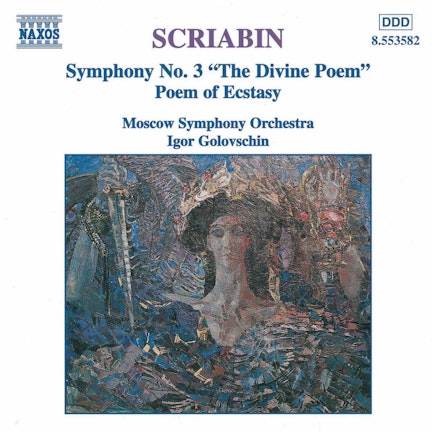
Scriabin's Symphony No. 3, 'The Divine Poem', was composed between 1902 and 1904 and premiered in Paris in 1905, conducted by Arthur Nikisch.
You might also enjoy...
Saint-Saëns: Symphony No. 3 in C Minor, Op. 78 "Organ" & Phaéton, Op. 39
Scriabin: Symphony No. 2 / Symphonic Poem in D Minor