The madrigal 'Moro, lasso' was published by Charles Burney in his 1789 'History' as 'a specimen of harsh, crude, and licentious modulation... extremely shocking and disgusting to the ear'.
Compositional Technique
Gesualdo's music features restless harmonic progressions, often with chromatic alterations, especially when connected to texts about 'death'.
Compositional Technique
Gesualdo's famous madrigal 'Moro, lasso' begins with a C-sharp-major triad and moves to A minor, creating a striking and unforgettable effect.
Composer's Artistic Vision
Gesualdo was considered an avant-garde musician by his contemporaries, including Monteverdi, partly due to his status as a famous Prince.
Composer Biography
After his first wife's death, Gesualdo married Leonora d'Este, a member of the illustrious d'Este family, and traveled to Ferrara with 300 pieces of luggage carried by 24 mules.
Instruments
For Gesualdo's wedding in Ferrara in 1594, Luzzascho Luzzaschi played an arcicembalo with 53 keys to the octave, an instrument designed for chromatic and enharmonic inflections.
Composer Biography
Carlo Gesualdo, the composer, murdered his first wife, Donna Maria d'Avalos, and her lover, Don Fabrizio Carafa, in 1590.
You might also enjoy...
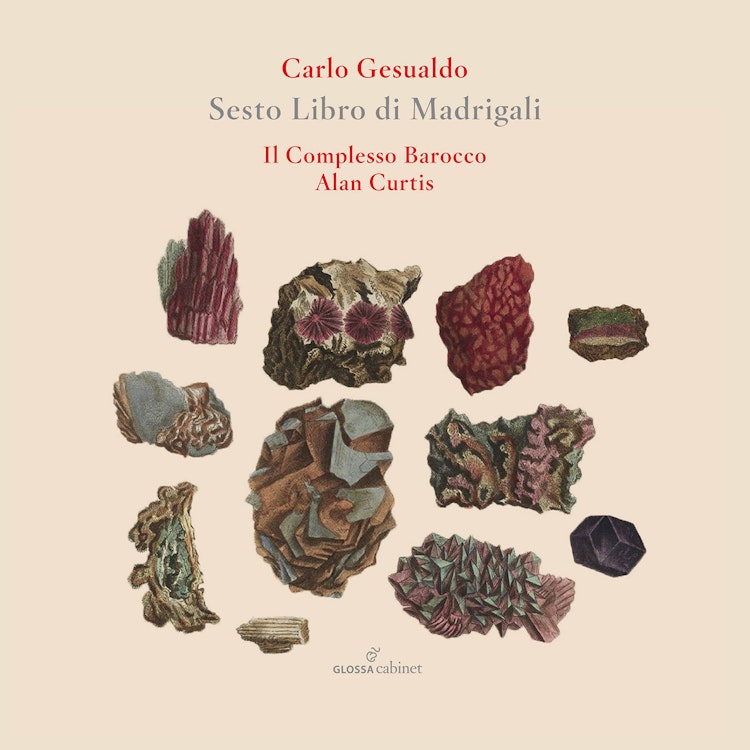
Gesualdo: O dolce mio tesoro. Madrigali a cinque voci, Libro sesto (1611)
Durante: XII Duetti a soprano e contralto
"O Ravishing Delight" English Ayres
Machaut: A Lover's Death
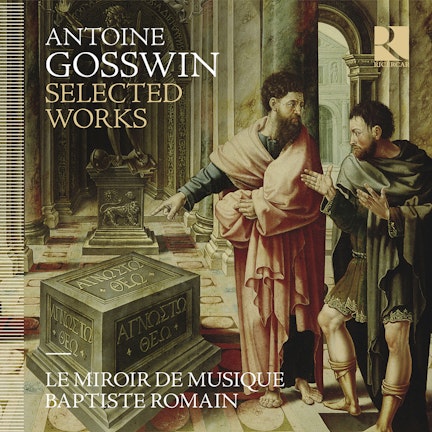
Antoine Gosswin: Selected Works
Love's Illusion - Music from the Montpellier Codex (13th-Century)
Stravinsky: Perséphone (Live)
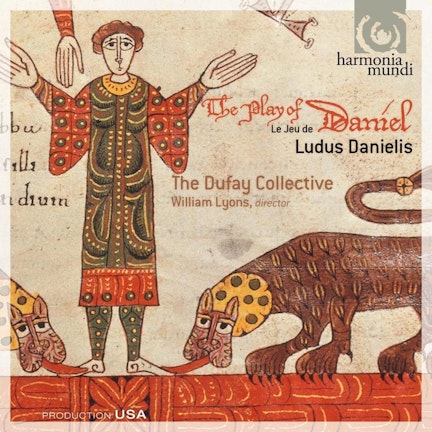
The Play of Daniel - Ludus Danielis
Dvorak, A.: Spectre's Bride (The)
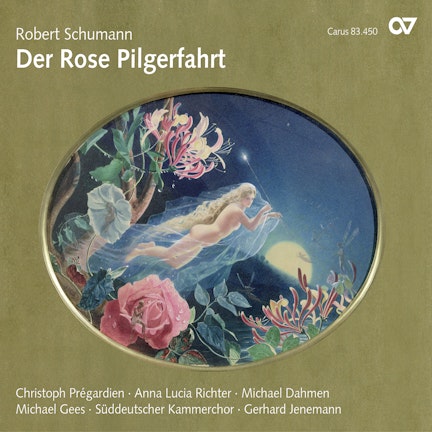
Robert Schumann: Der Rose Pilgerfahrt
D'India, S.: Madrigals, Book 1 (La Venexiana)
Stravinsky: Perséphone
Hahn: À Chloris (arranged for Tenor & String Quartet by Tom Poster)