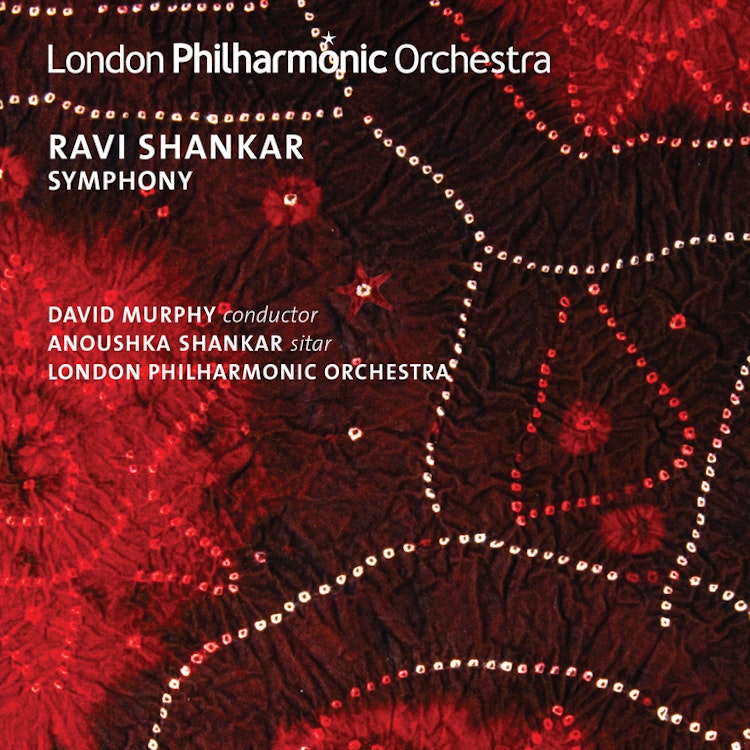
Ravi Shankar stated that the purpose of Indian music is to lead the listener to an awareness where the 'eternal and unchanging essence' of the universe can be joyfully experienced.
Performer Biography
Anoushka Shankar, the sitar player on this album, studied exclusively with her father, Ravi Shankar, from the age of nine and is known for exploring the crossover between Indian music and genres like flamenco, electronica, and jazz.
Composition History
This Symphony is a continuation of Ravi Shankar's long journey of bridging Indian and Western music, with the idea for it germinating from a project with conductor David Murphy.
Cultural Impact
Ravi Shankar was the first Indian musician to explain Indian music concepts to Western audiences, influencing genres and musicians like George Harrison and John Coltrane, and contributing to the emergence of minimalism.
Compositional Technique
The Symphony uses a Western four-movement symphonic structure, with two faster outer movements, a lyrical second movement, and a scherzo-like third movement, while incorporating Indian ragas and rhythmic cycles.
Composer's Artistic Vision
Ravi Shankar realized that Western ears, attuned to harmony and counterpoint, needed careful presentation of Indian music to appreciate its melodic purity and rhythmic/melodic structures.
Composer Biography
As a child dancer in his brother Uday Shankar's troupe, Ravi Shankar met many Western classical music legends like George Enescu, Toscanini, and Menuhin during a stay in Paris in the early 1930s.
You might also enjoy...
Schuman: Symphony No. 3
Vaughan Williams: Symphony No. 5
Szymanowski: Symphonies Nos. 1 and 2
Harbison Symphonies 1 & 2
Villa-Lobos: Symphony No. 10
Szymanowski: Symphonies Nos. 1 and 2
Messiaen: Turangalîla-symphonie
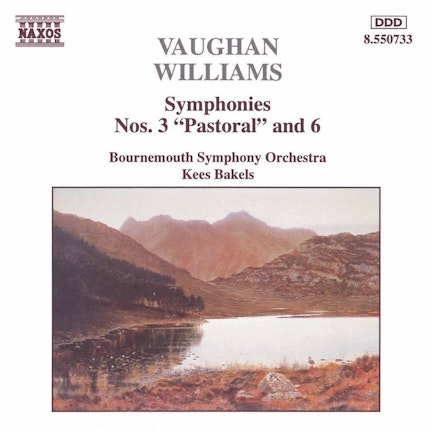
Vaughan Williams: Symphonies Nos. 3, 'Pastoral', and 6
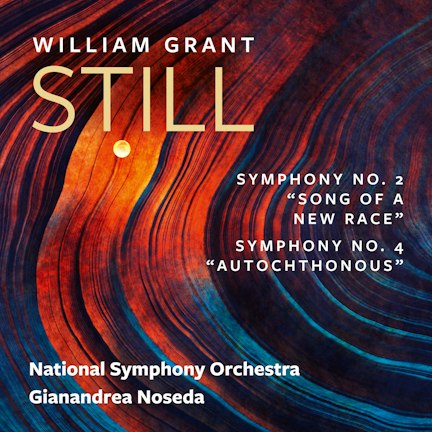
William Grant Still: Symphony No. 4 "Autochthonous", III. With a graceful lilt