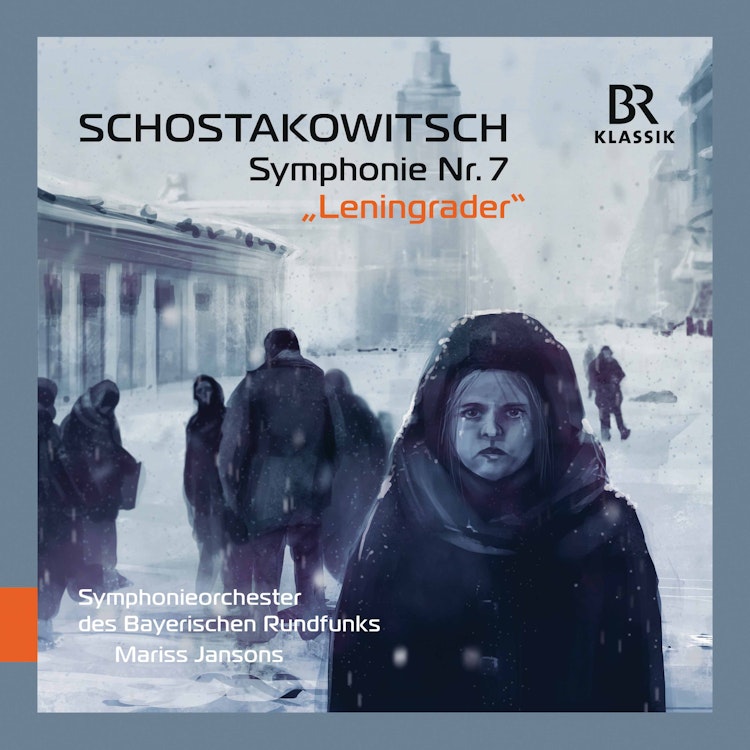
Shostakovich: Symphony No. 7 in C Major, Op. 60 "Leningrad" (Live)
10/4/2019, 4 Tracks, 1:13:10
Featuring
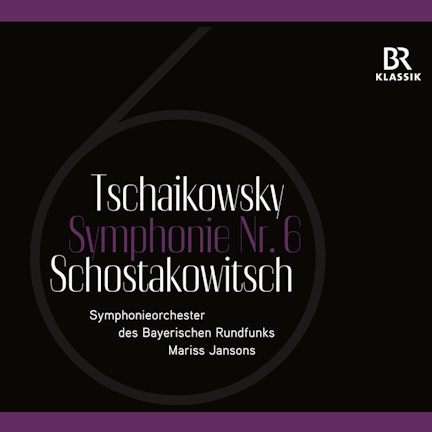
Mariss Jansons
Symphonieorchester des Bayerischen Rundfunks
Dmitri Shostakovich
Did you know?
1/7
Performer Biography
Mariss Jansons, the conductor on this album, was born in Riga in 1943, the son of conductor Arvīds Jansons, and studied violin, piano, and conducting at the Leningrad Conservatory.
Historical Context
Shostakovich initially refused to leave Leningrad during the blockade, wanting to complete the symphony in the city it was dedicated to, and only evacuated in early October after finishing the first three movements.
Compositional Technique
The 350-bar middle section of the first movement of Shostakovich's Seventh Symphony depicts the approaching German troops, using a simple theme that quotes "Da geh' ich zu Maxim" from Franz Lehár's operetta The Merry Widow.
Composer's Artistic Vision
Shostakovich's Seventh Symphony was initially interpreted as a beacon against fascism, but the composer later confessed that the war merely allowed him to express the suffering he had already endured under the Soviet regime.
Composition History
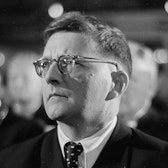
Dmitri Shostakovich, a leading Soviet composer, began writing his Seventh Symphony in his home city of Leningrad in the summer of 1941, during the German invasion of the Soviet Union.
Recording & Production
This album is a live recording of the Symphonieorchester des Bayerischen Rundfunks, conducted by Mariss Jansons, from concerts held in Munich in February 2016.
Performer Biography
Mariss Jansons has received numerous awards, including a Grammy for his recording of Shostakovich's 13th Symphony and the prestigious Ernst von Siemens Music Prize for his life's work as a conductor.
You might also enjoy...
Shostakovich: Symphony No. 8 C minor
Shostakovich: Symphony No.4
Shostakovich, Symphony No. 10 in E Minor op. 93
Stravinsky: Symphony In Three Movements; Symphony In C