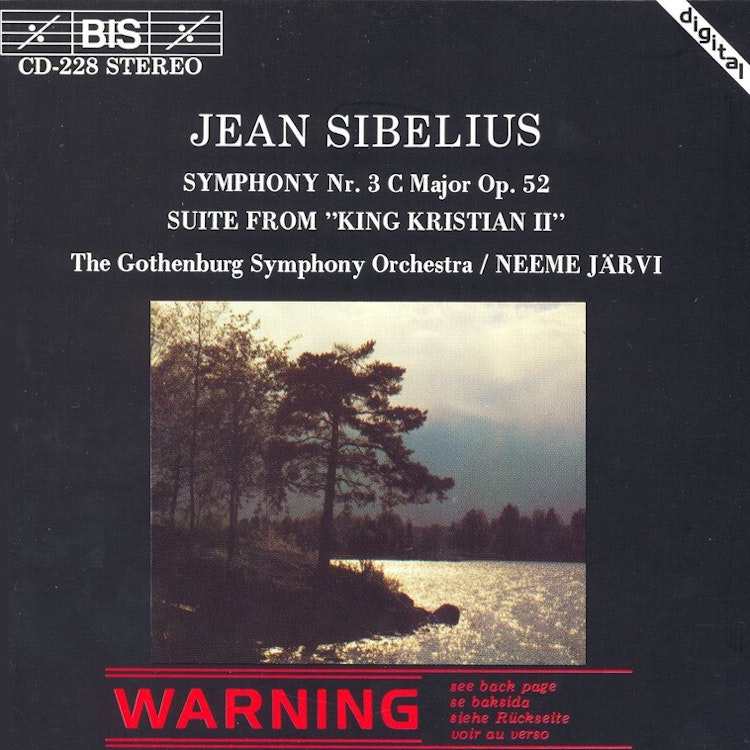
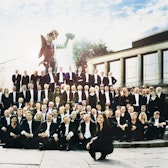
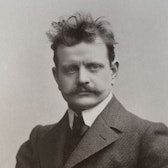
Neeme Järvi, the conductor on this recording, was born in Estonia in 1937 and trained under Rabinovich and Mravinski at the Leningrad Conservatoire.
Compositional Technique
For the strings in his Third Symphony, Sibelius recommended a large section: twelve first violins, twelve second violins, and eight each of violas, cellos, and double basses.
Compositional Technique
Sibelius's Third Symphony omits the harp, a typically Romantic instrument, similar to his Second Symphony.
Critical Reception
The bold dissonance in the first movement of Sibelius's Third Symphony was so striking that Glazunov sent a copy of the passage to Rimsky-Korsakov, exclaiming "What is this meant to be?"
Composer's Artistic Vision
Sibelius characterized the finale of his Third Symphony as "The crystallisation of thought from chaos."
Critical Reception
When Robert Kajanus conducted Sibelius's Third Symphony in Paris in 1920, a critic remarked: "Nowadays only God composes in C major."
Recording & Production
This recording was made in the Gothenburg Concert Hall, which is considered one of the world's finest concert venues, a quality confirmed by a scientific study.
You might also enjoy...
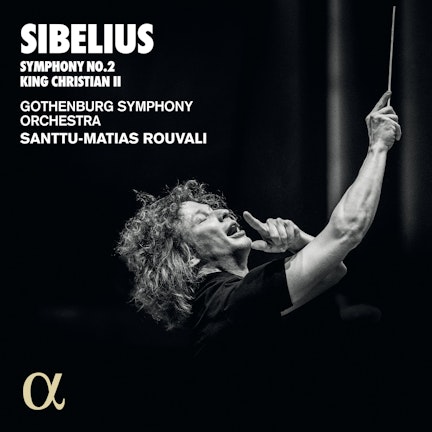
Sibelius: Symphony No. 2, King Christian II
Sibelius: Symphony No. 2 - Karelia Suite
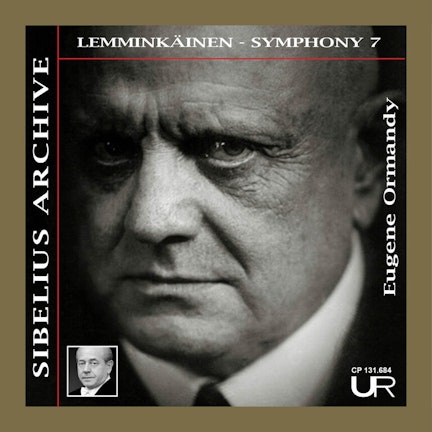
ORMANDY conducts SIBELIUS
Sibelius: Symphony No. 2, The Swan of Tuonela
Thomas Jensen Legacy, Vol. 1
Sibelius: Symphonies Nos. 5 & 6
Sibelius: Symphony No. 2 / 'The Tempest', Suite No. 1
Sibelius: Symphony No. 4 & The Tempest Suite No. 1
Sibelius: Symphonies Nos. 6 and 7 / 'The Tempest', Suite No. 2