Beethoven's Sonata No. 27, Op. 90, combines four movements into two, with the first movement acting as a scherzo in sonata form and the second as a slow rondo.
Composition History
The three sonatas on this album, composed between 1814 and 1818, bridge Beethoven's middle and late creative periods.
Performer Biography
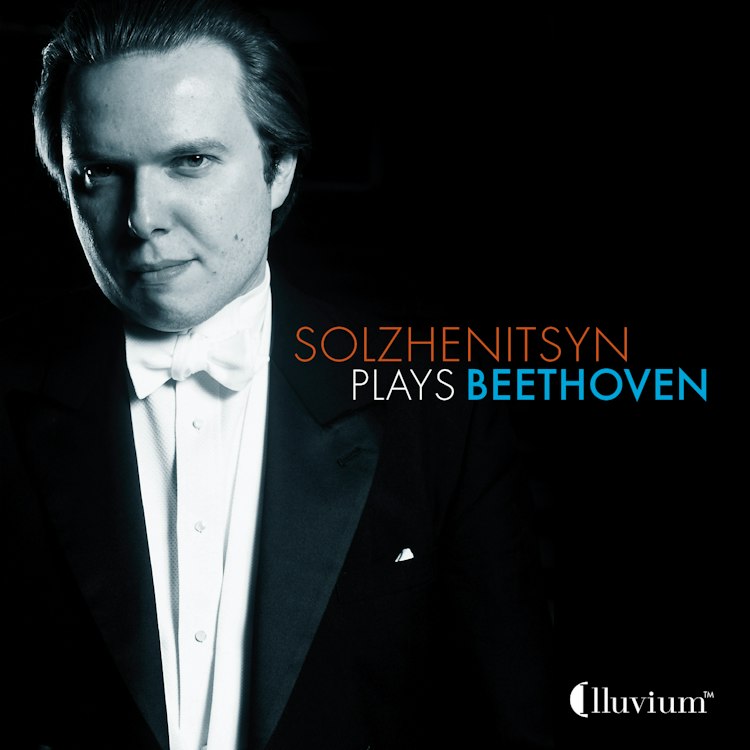
Ignat Solzhenitsyn, the pianist on this album, is recognized as a gifted artist and has an active career as both a conductor and pianist.
Composer's Artistic Vision
In his late period, Beethoven shifted the center of gravity to the last movement, making the finale the strongest argument in his sonatas, Ninth Symphony, and Op. 130 quartet.
Compositional Technique
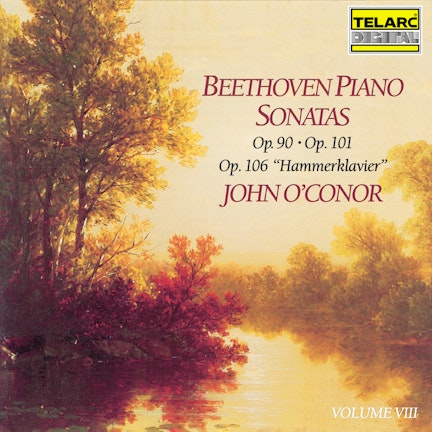
Beethoven's Sonata No. 29, Op. 106, is his longest and most difficult sonata, featuring immense technical challenges like audacious left-hand leaps, stretches, and octaves.
Compositional Technique
Beethoven's Sonata No. 28, Op. 101, opens in the 'wrong' key, a startling technique he also used in his first symphony.
Interpretation
The Sonata No. 29, Op. 106, contains contradictory readings of rhythms and pitches that performers must resolve using their intuition.