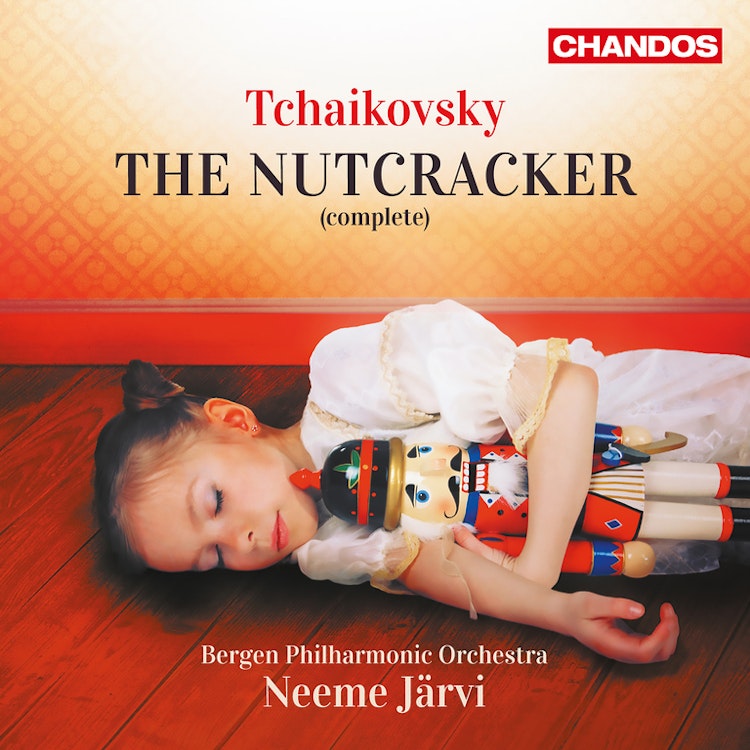
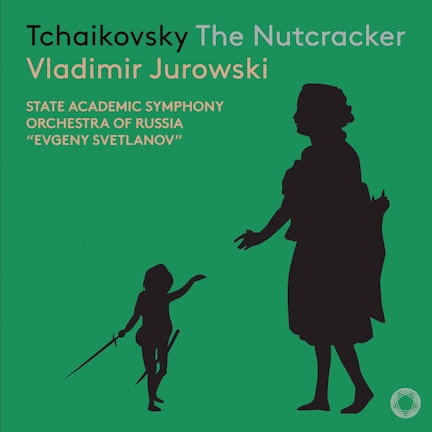
Tchaikovsky initially received the story for The Nutcracker as an elaborated version of E.T.A. Hoffmann's children's story by Alexandre Dumas père.
Composition History
The Nutcracker was commissioned by Ivan Vsevolozhsky, the impresario of the Imperial Theatres, as the second, more substantial part of a double bill, prefaced by the opera Iolanta.
Composer's Artistic Vision
Tchaikovsky loved Léo Delibes's mythological fantasy Sylvia so much that he famously declared he would never have composed Swan Lake had he known Sylvia's music earlier, placing it above Wagner's Der Ring des Nibelungen.
Composer Biography
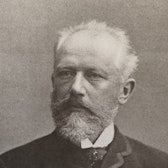
Pyotr Il'yich Tchaikovsky, the composer of The Nutcracker, was considered a "true European" but also had a strong "Slav" identity, leading to the term "Eurasian" being used to describe his genius.
Performer Biography
The Bergen Philharmonic Orchestra, one of the world's oldest orchestras, dates back to 1765 and celebrated its 250th anniversary in 2015.
Compositional Technique
Tchaikovsky specifically requested that the celesta not be shown to anyone, fearing that fellow composers Rimsky-Korsakov and Glazunov would use its unique effects before he could.
Compositional Technique
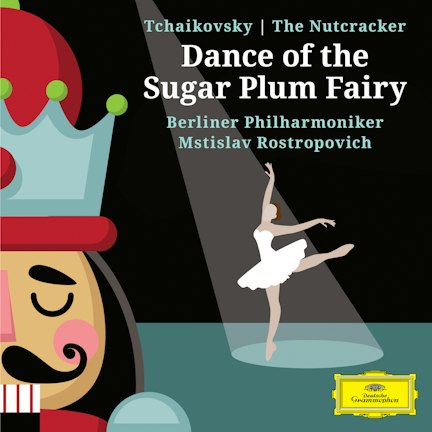
Tchaikovsky used the celesta, an instrument he discovered in Paris, for the Sugar Plum Fairy's music, describing it as "something between a small piano and a glockenspiel."
You might also enjoy...
Bernstein: Dybbuk - The Complete Ballet
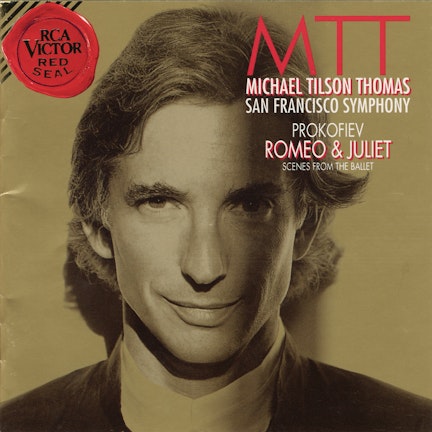
Prokofiev: Romeo & Juliet
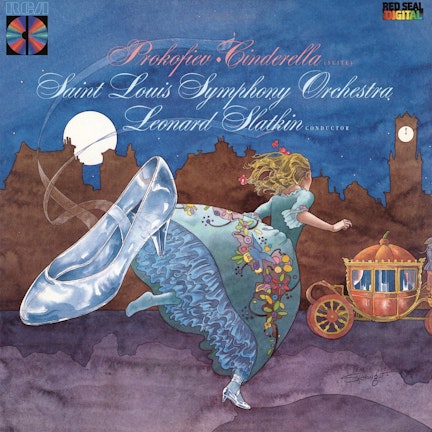
Prokofiev: Cinderella-Suite, Op. 107
Tchaikovsky: Dance of the Sugar-Plum Fairy (From "The Nutcracker") (Remastered 2026)
Tchaikovsky: Swan Lake Suite / Sleeping Beauty Suite