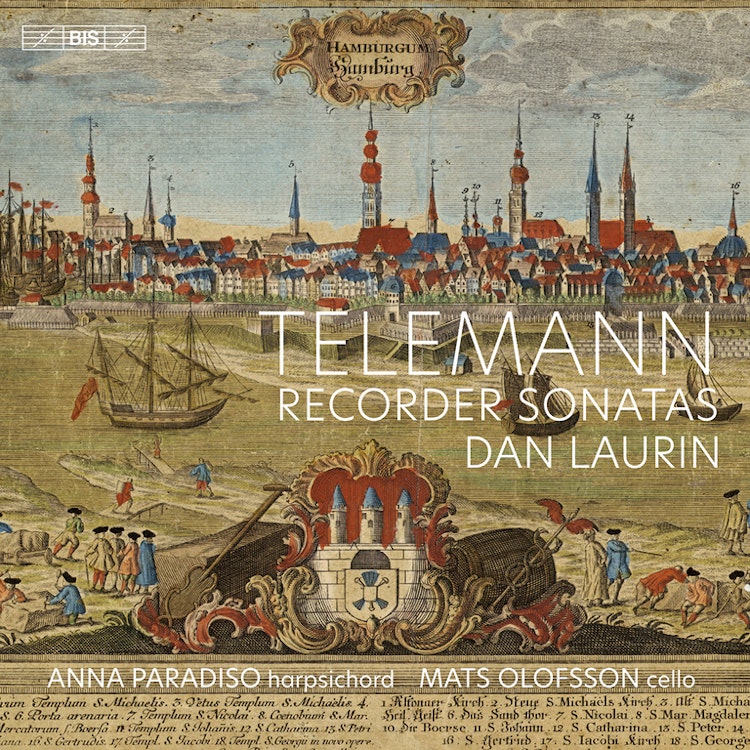
Telemann's sonatas often combine Italian 'cantabilità' (singing style) with elements of Eastern European folk music, reflecting his experiences in places like Pless, Poland.
Composer Biography
Telemann's first position in Pless, Poland, exposed him to local folk music, which he claimed could provide enough musical ideas for a lifetime in just one week.
Composition History
Telemann published some of his works, including the Sonata in F major, TWV41:F2, in a fortnightly music journal called 'Der getreue Music-Meister' (The Faithful Music-Master) in 1728-29.
Composer Biography
Telemann experienced profound grief after losing his first wife in childbirth, which is reflected in the emotional depth of works like the Sonata in D minor, TWV 41:d4.
Compositional Technique
In 'Der getreue Music-Meister', Telemann used 'musical cliff-hangers' by splitting sonatas across different issues, making readers wait for the next installment to complete a piece.
Cultural Impact
A loop from the gigue of Telemann's Sonata in D minor, TWV 41:d4, formed the basis for Luciano Berio's 'Gesti', an interesting recorder work from the 1960s.
Performer Biography
Dan Laurin, the recorder player on this album, has received the Swedish Grammis award for best classical album twice and was awarded the 'Litteris et Artibus' medal by the King of Sweden.
You might also enjoy...
Telemann: The Recorder Sonatas
Giuseppe Sammartini: Sonatas for Recorder and Basso continuo, Vol.2
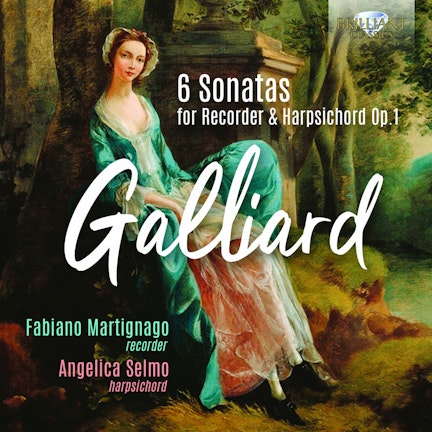
Galliard: 6 Sonatas for Recorder & Harpsichord, Op. 1
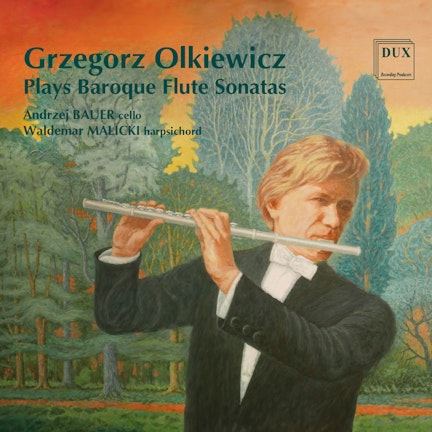
Baroque Flute Sonatas
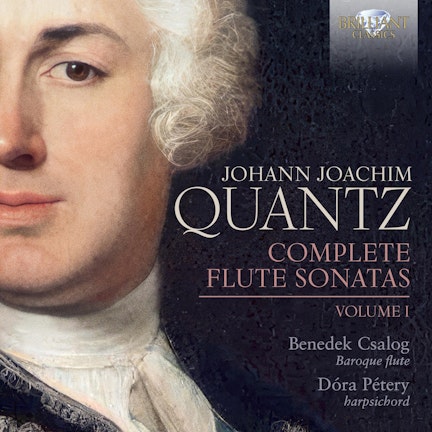
Quantz: Complete Flute Sonatas, Vol. 1
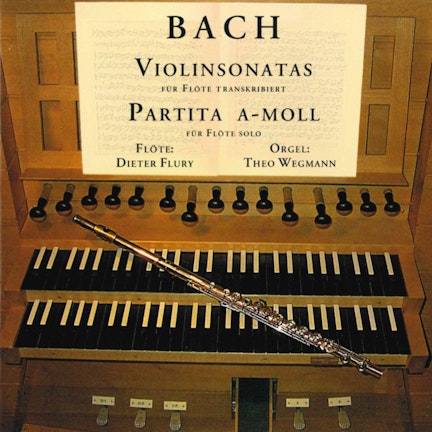
Bach: Violinsonatas, Partita
Quantz, J.J.: Flute Sonatas Nos. 272-277
The Early Recordings, Vol. 1
Paisible: Complete Recorder Sonatas
Bach: Trio Sonata, BWV 527 - Handel: Recorder Sonata, Op. 1, No. 2 & No. 11 - Bodinus: Gigue for Flute Solo - Gallon: Recueillement - Zagwijn: Andante for Flute & Organ