Unlike many 'Romanticists' of their time, Paul Hindemith, Jacques Ibert, Ernst Toch, and Bohuslav Martinů embraced cultural influences from other nations, demonstrating a credo of tolerance.
Historical Context
The album's title, "The Golden Age - Cello 1925," refers to the 'Golden Twenties,' a period marked by both cultural flourishing and widespread poverty, strikes, and inflation.
Composition History
All four cello concertos on this album were composed within a single year, between 1924 and 1925, revolutionizing the genre with their unusually small orchestra sizes.
Interpretation
Christoph Heesch, the cellist, interprets these works as 'solo-chamber cello concertos,' aiming to highlight their freshness and youthful aesthetic as early works by the composers.
Compositional Technique
The composers on this album reduced instrumental resources and created a 'concentrate' of instrumental music, often using no more than twelve musicians and blurring the lines between chamber and orchestral music.
Performer Biography
Christoph Heesch, the cellist, was born in Berlin in 1995 and is a winner of the 2018 Fanny Mendelssohn Förderpreis, an award for young musicians with innovative concepts.
Instruments
Christoph Heesch plays a cello made by Domenicus Montagnana, an 18th-century Italian luthier, which is on loan from the German Foundation for Musical Life.
You might also enjoy...
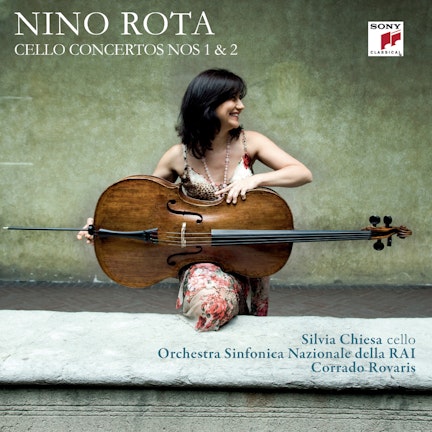
Nino Rota: Cello Concertos NOS No.1 & 2
Dutilleux & Lutosławski: Cello Concertos
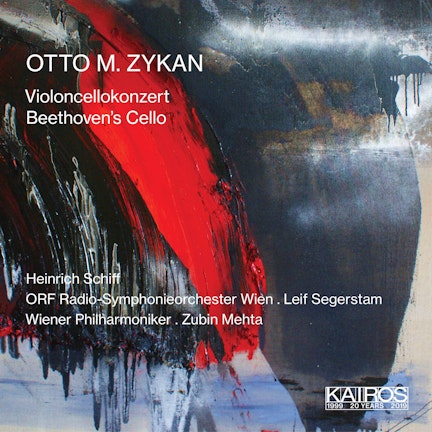
Zykan: Cello Concertos
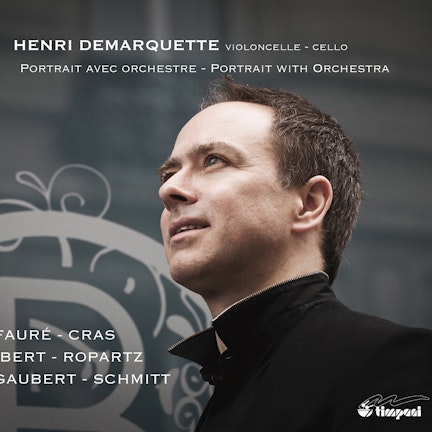
Portrait avec orchestre
Dutilleux: Tout un monde lointain - Lutoslawski: Cello Concerto - Jolivet: Cello Concerto No. 2
Live from Taipei
Cellostatus
Anna Clyne: DANCE - Edward Elgar: Cello Concerto
The Art of Vladimir Orloff
Cello Concerto: IV. Finale
Penderecki, K.: Concerto Grosso No. 1 for 3 Cellos / Largo / Sonata for Cello and Orchestra
Lalo: Concerto pour violoncelle - Caplet: Épiphanie