Michael Tippett wrote the libretto for The Midsummer Marriage himself, believing an opera required words that could barely survive on their own when separated from the music.
Critical Reception
Despite initial confusion from critics over its libretto, The Midsummer Marriage was hailed as an 'astonishing new work' and became the first post-war opera to receive three individual productions at the Royal Opera House.
Compositional Technique
Michael Tippett's score for The Midsummer Marriage features a 'collage of disparate influences,' including Elizabethan madrigalists, Purcell, Wagnerian grandeur, and rhythms from Stravinsky and Bartók.
Composer Biography
During World War II, Michael Tippett, a conscientious objector, was imprisoned for two months for refusing the terms of his exemption from military service.
Composition History
Michael Tippett's first mature opera, The Midsummer Marriage, was composed for no fee and without commission, taking 16 years to complete.
Recording & Production
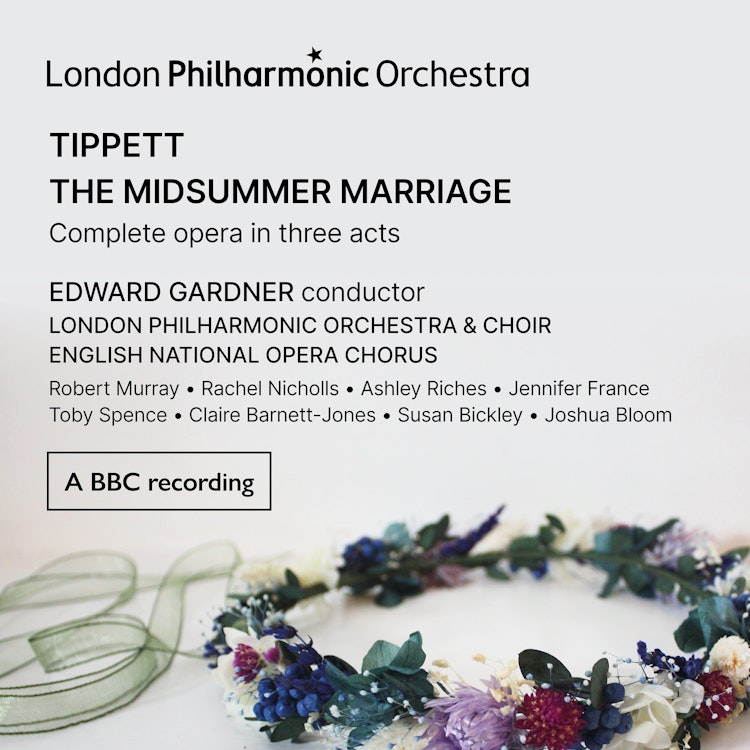
This recording of The Midsummer Marriage was made live by BBC Radio 3 at the Southbank Centre's Royal Festival Hall in London on September 25, 2021.
Composer's Artistic Vision
The opera is deeply influenced by the teachings of Swiss psychoanalyst Carl Jung, which Michael Tippett turned to during a personal crisis.