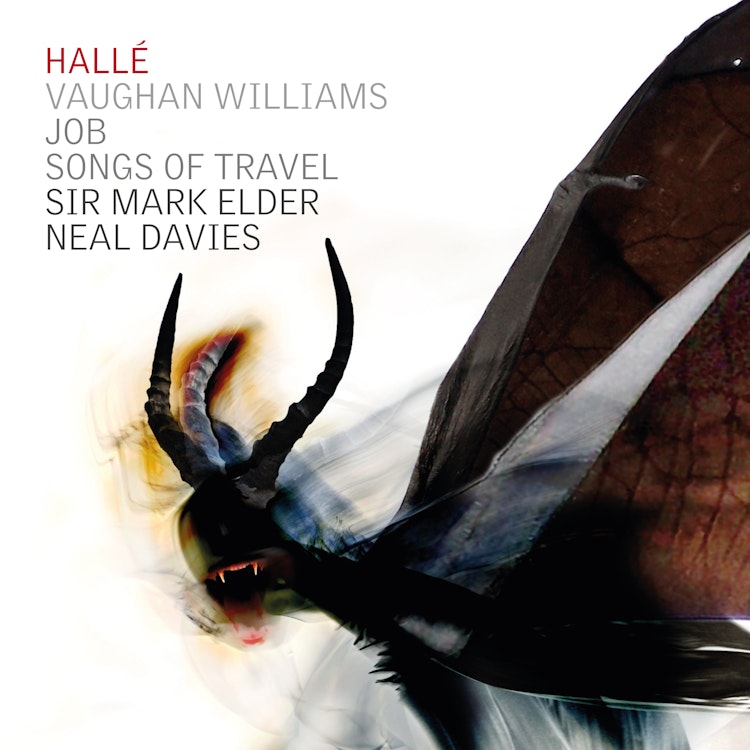
Roy Douglas, who orchestrated most of the "Songs of Travel", aimed for a "typical British compromise" by using only instruments Vaughan Williams himself had used in his 1905 orchestrations.
Composition History
The final song of "Songs of Travel", 'I Have Trod the Upward and the Downward Slope', was thought lost for many years until it was found among Vaughan Williams's manuscripts after his death by composer and arranger Roy Douglas.
Composition History
Vaughan Williams agreed to compose "Job" on two conditions: no sur le point dancing, which he disliked, and that the work be called a masque, not a ballet.
Notable Performances
The stage premiere of "Job" was championed by Gustav Holst, who considered it a masterpiece, and was choreographed by Ninette de Valois, who created her first important dance work for it.
Composer's Artistic Vision
Vaughan Williams's "Job: A Masque for Dancing" was inspired by William Blake's illustrations of the Book of Job, the King James Bible, and Elizabethan, Jacobean, and traditional folk dances.
Compositional Technique
In "Job", Vaughan Williams deliberately borrowed Satan's motif from the scherzo of Beethoven's last string quartet, Op.135.
Composition History
Vaughan Williams's "Songs of Travel" were initially conceived as an integral group, but his publisher, Boosey and Co, only released three songs at first, deeming them commercially appealing.
You might also enjoy...
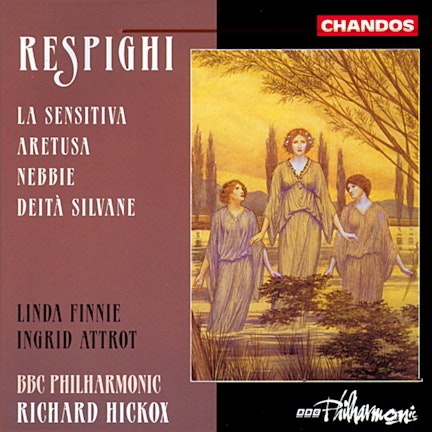
Respighi: La Sensitiva / La Pentola Magica / Aretusa
Schubert: An Sylvia, D. 891 (Arr. Schmalcz for Baritone and Chamber Orchestra)
Britten: Our Hunting Fathers, Op. 8
Elgar: Falstaff, Orchestral Songs and Grania & Diarmid