The conductor, Andrew Nethsingha, believes that Vaughan Williams's Mass in G minor is one of the greatest British liturgical masterpieces of the twentieth century, deserving more critical attention.
Composition History
Vaughan Williams intensified his focus on liturgical music after serving in the First World War, where one of his harrowing duties as a wagon orderly was recovering bodies wounded in battle.
Composer Biography
Despite being described as a 'confirmed atheist' by philosopher Bertrand Russell, Vaughan Williams dedicated significant attention to liturgical music and works associated with the Judeo-Christian tradition.
Composer's Artistic Vision
Ralph Vaughan Williams, the composer, viewed music as a way to reach 'ultimate realities through the medium of beauty,' providing an experience of transcendence for both the creator and the listener.
Performer Biography
Andrew Nethsingha, the Director of Music for The Choir of St John's College, Cambridge, was a chorister at Exeter Cathedral under his father's direction.
Recording & Production
This recording was made in St John's College Chapel, Cambridge, UK, between July 17th and 20th, 2017.
Compositional Technique
The Mass in G minor by Vaughan Williams blends Renaissance traditions, such as imitative textures and contrasts between soloists and choir, with modal harmony inspired by Debussy's music.
You might also enjoy...
Walton: Choral Works
Howells: Requiem – Vaughan Williams: Mass in G Minor
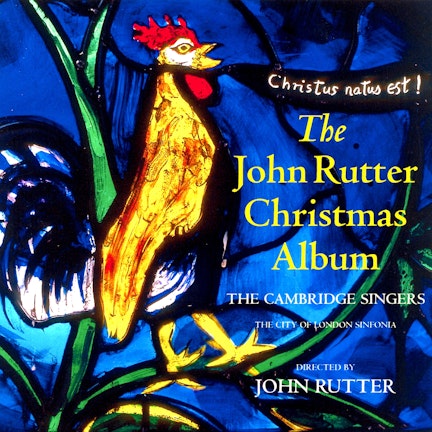
John Rutter Christmas Album
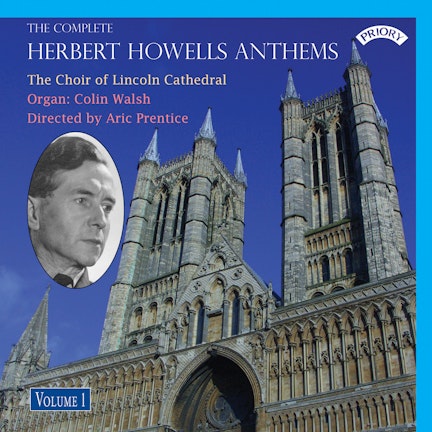
The Complete Herbert Howells Anthems, Vol. 1
Howells: Stabat Mater, Te Deum & Sine Nomine
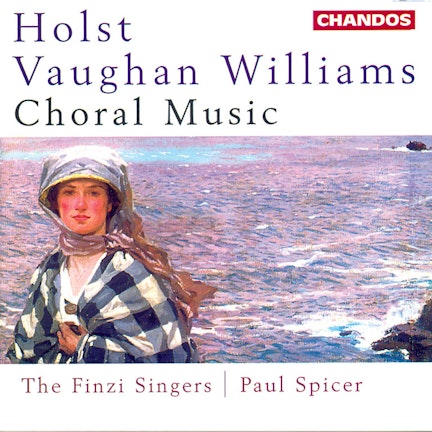
Holst / Vaughan Williams: Choral Works
John Rutter: Music for Christmas
Walton: Twelve (The) / Coronation Te Deum / Missa Brevis
Twentieth Century Church Music
Twentieth Century British Choral Music
Britten: A Ceremony Of Carols; Rejoice In The Lamb; Missa Brevis