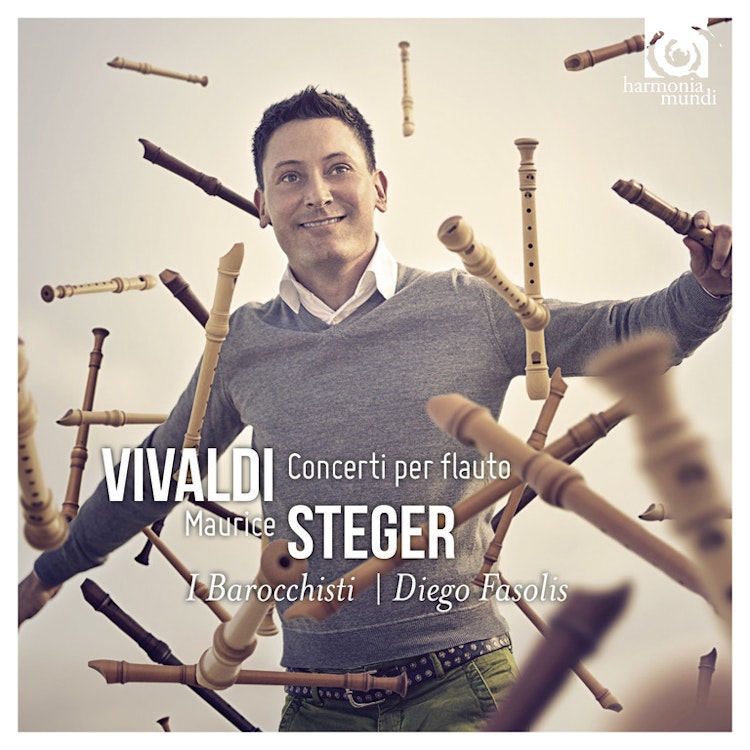
Vivaldi's Concerto RV 443 demonstrates the instrument's virtuoso identity, articulating arpeggios, scales, and trills so that the phrasing's élan takes precedence.
Interpretation
Maurice Steger, the recorder player, chose to use a treble recorder for 'La pastorella' and 'Il gardellino' to achieve the bright sonority typical of Venice, honoring Vivaldi's original designation 'per flauto'.
Composer Biography
Vivaldi, a violinist, constantly stimulated experimentation with instrumental technique in his solo concertos and applied this virtuosity to other instruments, including the voice.
Composition History
Vivaldi's programmatic concertos like 'La tempesta di mare', 'La notte', 'Il gardellino', and 'La pastorella' were likely intended for professional recorder players due to their high difficulty.
Composer's Artistic Vision
Vivaldi, long before Brahms, considered virtuosity a means of expression in its own right, not merely a personal showcase.
Instruments
The term 'flautino' in Italian Baroque music refers to small recorders, specifically the sopranino recorder in f'' and the descant (soprano) recorder in c''.
Historical Context
In the early 18th century, the recorder was the most widely practiced musical instrument, known for its omnipresence and popularity across classes, styles, and countries.
You might also enjoy...
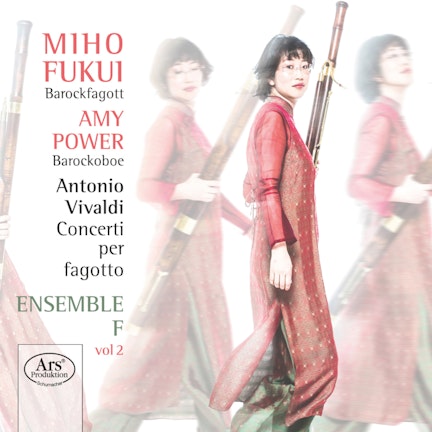
Vivaldi: Concerto per fagotto, Vol. 2
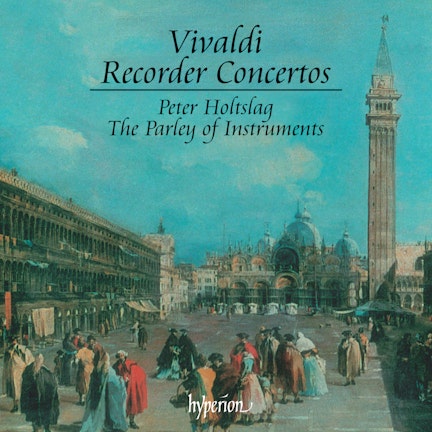
Vivaldi: Recorder Concertos
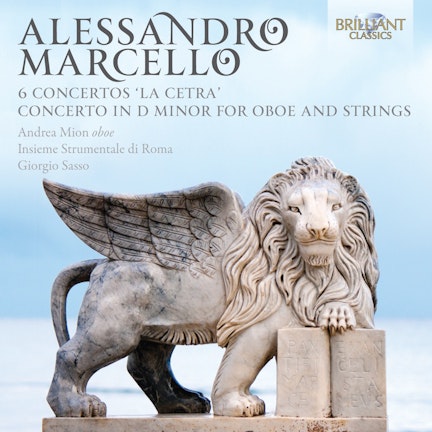
A. Marcello: 6 Concertos "La Cetra" - Concerto in D Minor for Oboe and Strings
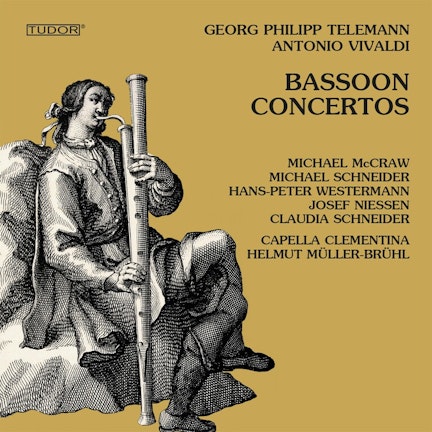
Georg Philipp Telemann · Antonio Vivaldi: Bassoon Concertos | Michael McCraw. Michael Schneider. Hans-Peter Westermann. Josef Niessen. Claudia Schneider. Capella Clementina. Helmut Müller-Brühl
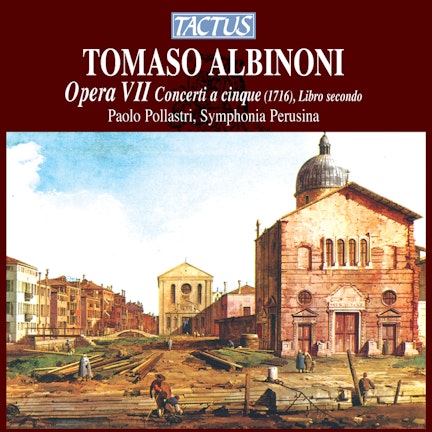
Albinoni: Opera VII - Concerti a cinque, Libro secondo
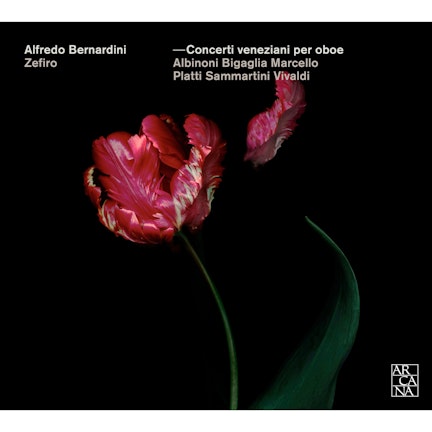
Concerti veneziani per oboe
Caught in Italian Virtuosity
Telemann / Vivaldi: Concertos for Recorder and Bassoon