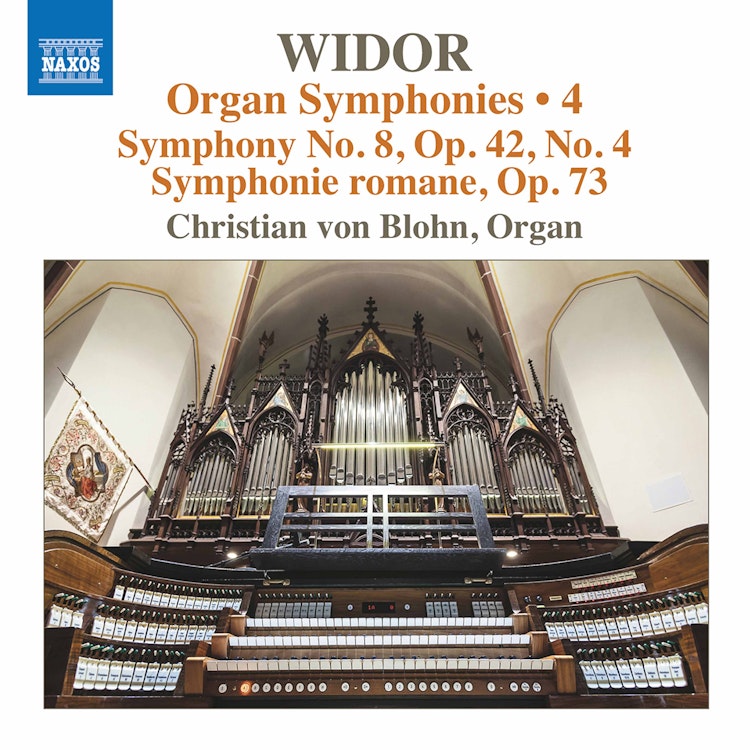
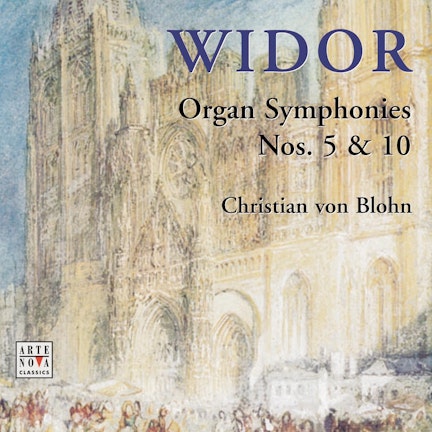
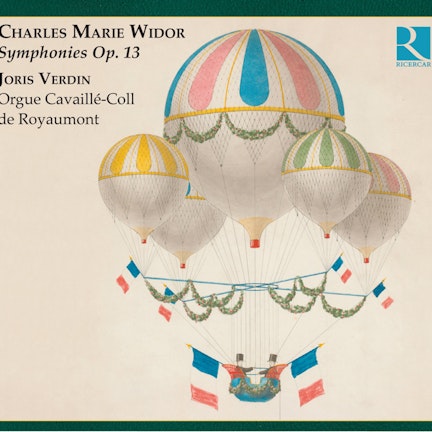
Widor's ten organ symphonies underwent constant development, evolving from neo-Classical tendencies in Op. 13 to virtuosic and monumental forms in Op. 42, and finally to spiritual depth influenced by Gregorian chant in Opp. 70 and 73.
Composer Biography
Widor was a prolific artist, creating piano, chamber, orchestral, ballet, and operatic music, and was also a teacher, editor, critic, essayist, and a tireless champion of J.S. Bach's music.
Instruments
The organ used for this recording is in St. Josef's Church in Sankt Ingbert, Germany, originally a German Romantic organ from 1893, which was expanded in 1933 and restored and upgraded after a devastating fire in 2007.
Interpretation
Widor himself was flexible in performing his works, playing them on various instruments during his tours and often selecting only parts of a symphony for public performance, whether for liturgical or concert use.
Composer Biography
Charles-Marie Widor, a highly influential and venerated musician in his time, was at home in numerous genres as a composer, but is now almost exclusively associated with the organ.
Composer's Artistic Vision
Widor's later organ symphonies, Op. 70 'Gothique' and Op. 73 'Romane', were influenced by Gregorian chant and imbued with spirituality, embodying his aphorism: 'To play the organ is to manifest a purpose that has been filled with a vision of eternity'.
You might also enjoy...
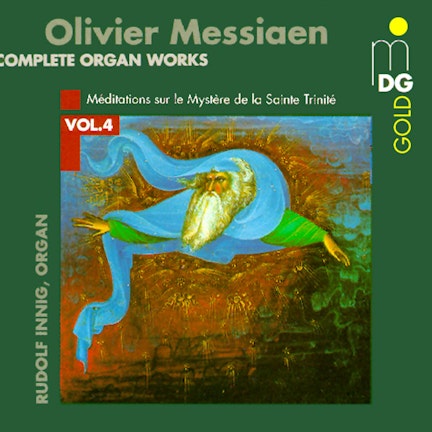
Messiaen: Complete Organ Works Vol. 4
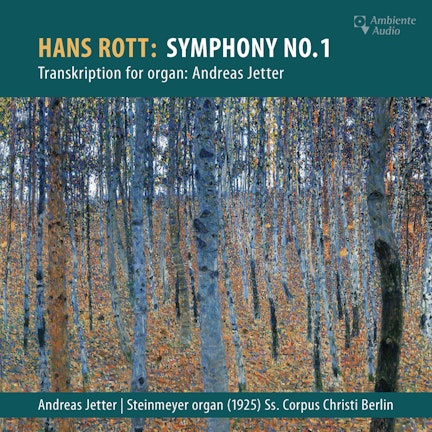
Hans Rott: Symphony No. 1 E major - Transkription for organ by Andreas Jetter