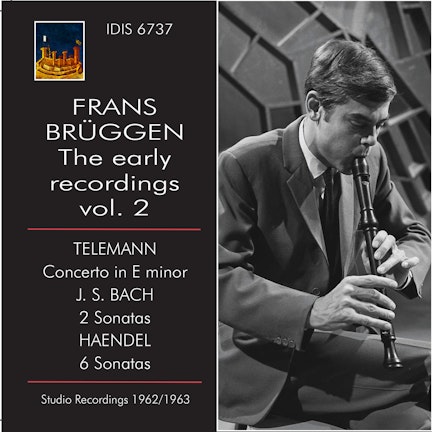
The transverse flute, which inspired Bach in Köthen, was developed in France only about three decades earlier and was gradually gaining popularity in German-speaking regions.
Composition History
Of the seven flute sonatas associated with Bach's name, only four (BWV 1030, 1032, 1034, and 1035) are definitively attributed to him.
Critical Reception
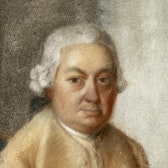
The Sonata in C major for Flute and Basso continuo BWV 1033, though attributed to Bach, is widely believed to be the work of one of his pupils, possibly Carl Philipp Emanuel Bach, due to its contemporary style and lack of Bach's personal handwriting.
Instruments
The new one-key transverse flute, an evolution from the keyless Renaissance flutes, allowed for a more energetic sound and performance in all registers.
Composition History
Research suggests that Bach's initial engagement with the transverse flute, a relatively new instrument at the time, occurred during his period in Köthen.
Compositional Technique
The sonatas with basso continuo (BWV 1033-1035) typically follow a four-movement structure of slow-quick-slow-quick, characteristic of the 'church sonata' (Sonata da chiesa).
Composition History
The Sonata in E major for Flute and Basso Continuo BWV 1035 may be linked to Bach's visits to Potsdam or Sanssouci, potentially aimed at gaining the attention of the flute-playing King Friedrich II of Prussia.