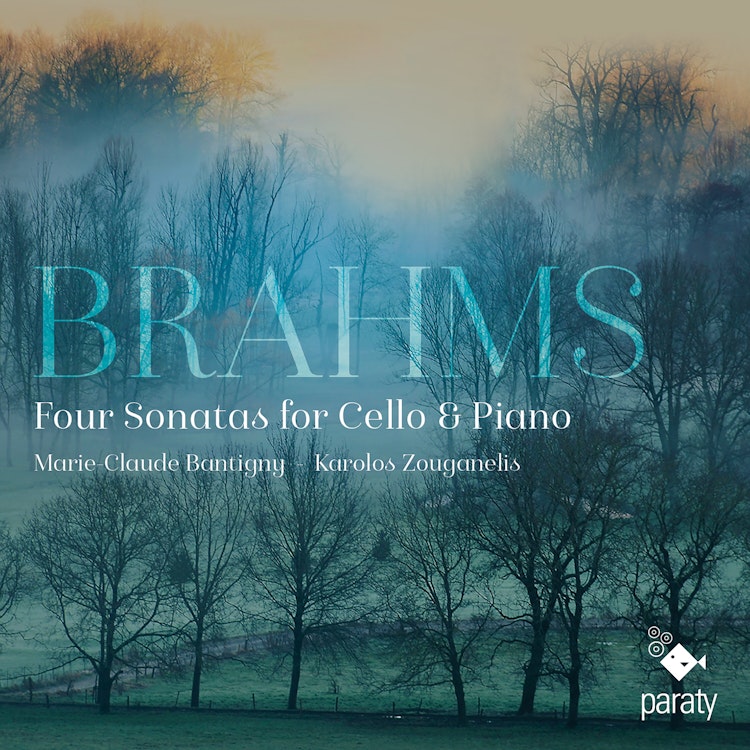
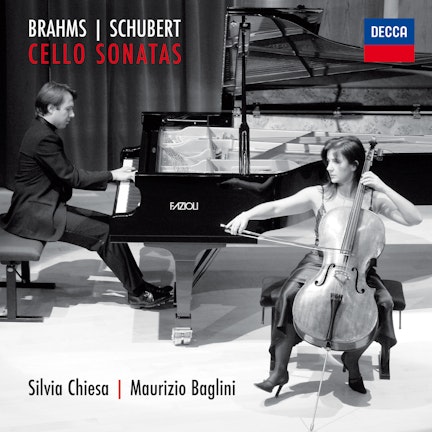
This recording was made in February 2020 at the auditorium of Prayssas, using a Gand et Bernardel cello from 1891 and a Fazioli piano.
Composition History
The Sonata Op. 78, originally for violin and piano, was transcribed by Brahms himself for cello and piano, adapting it for the lower instrument and transposing it to D major.
Interpretation
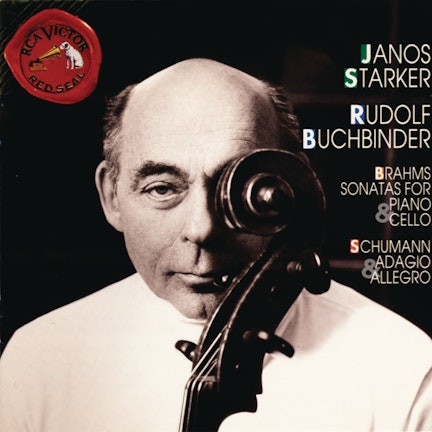
This album features transcriptions of two Brahms violin sonatas for cello and piano, a common practice in the 19th century to disseminate works.
Compositional Technique
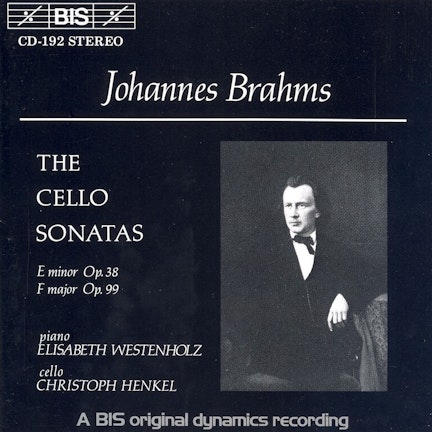
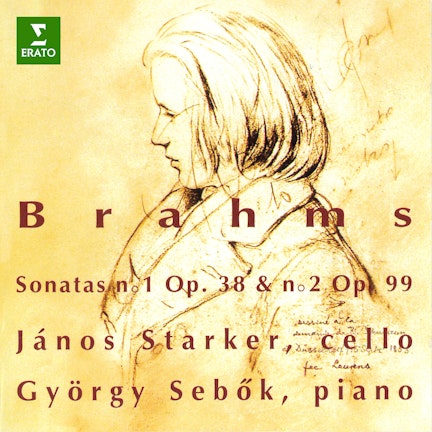
Brahms's First Cello Sonata, Op. 38, includes a fugue-sonata in its final Allegro that borrows thematic material from J.S. Bach's Art of Fugue and treats it in the style of Beethoven.
Composer Biography
Brahms was the godfather of Felix Schumann, the son of Clara and Robert Schumann, and his premature death deeply affected Brahms, influencing the mood of his Sonata Op. 78.
Composer's Artistic Vision
Brahms often 'vocalized' his instrumental music, using the lyricism of string writing to evoke a distant voice, reflecting the 'back-world' that inspired Romantics.
Composition History
During a particularly productive summer in 1886 by Lake Thun, Brahms composed his Second Cello Sonata Op. 99, Second Violin Sonata Op. 100, and Trio Op. 101, among other works.