Crescentini: Cantate e ariette a voce sola e fortepiano
8/1/2013, 30 Tracks, 2:08:38
Featuring
Marina Comparato
Gianni Fabbrini
Girolamo Crescentini
Did you know?
1/7
Instruments
The fortepiano used in this recording is a 2009 copy by Urbano Petroselli of an Anton Walter instrument from Vienna, circa 1795.
Composition History
The six cantatas and eighteen ariettas on this album were composed by Girolamo Crescentini in Paris when his fame was at its peak.
Composer Biography
Girolamo Crescentini, a castrato singer, was also a successful teacher and composer, born in Urbania (near Urbino) in 1762 and dying in Naples in 1846.
Recording & Production
This album features the first absolute recording of these works by Marina Comparato.
Cultural Impact
Napoleon Bonaparte was so moved by Girolamo Crescentini's singing of the aria "Ombra adorata, aspetta" that he invited him to his coronation and as a singing master to the imperial family.
Compositional Technique
The pieces composed by Girolamo Crescentini in Paris are notable for their extreme simplicity of melodic line, avoiding gratuitous melismas and adhering to classical values.
Historical Context
The vocal art of castratos, including Girolamo Crescentini, was in its final period from the late 18th century to the early 19th century, as musical tastes shifted from Neoclassicism to early Romanticism.
You might also enjoy...
Tusschen de Twee
Mozart: Die Schuldigkeit des ersten Gebots, K. 35
Romeo and Juliet
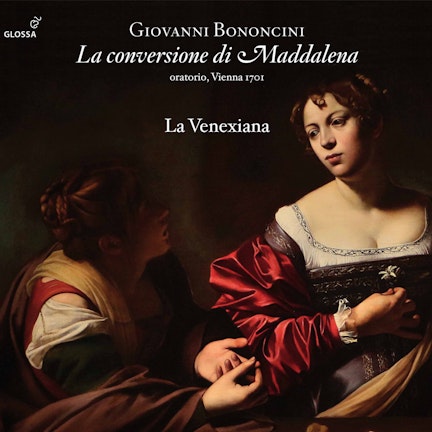
Bononcini: La conversione di Maddalena
Calegari: Risurrezione Di Lazzaro (La)
Mayr: David in spelunca Engaddi (David in the Cave of Engedi)
Tommaso Traetta: Rex Salomon
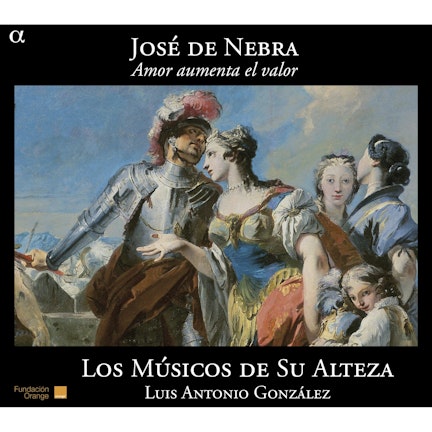
Nebra: Amor aumenta el valor
Haydn, M.: Der Kampf der Buße und Bekehrung
HANDEL, G.F.: Hercules (Sung in German) [Oratorio] (Hauschild)
Johann Michael Haydn: Der Kampf der Buße und Bekehrung
Mayr: Saffo
Colonna: L'Assalonne
Mayr, J.S.: Tobia, O Tobiae Matrimonium [Oratorio]