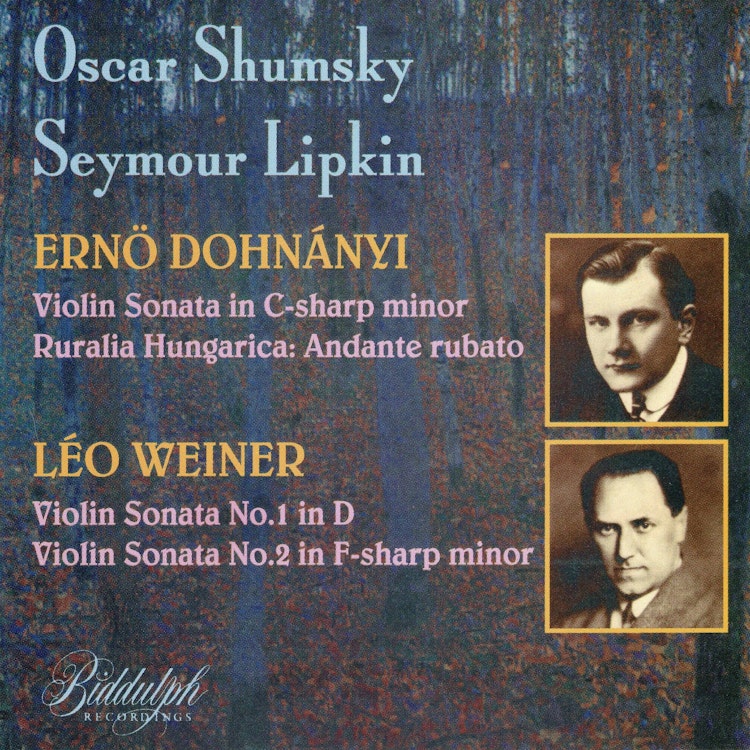
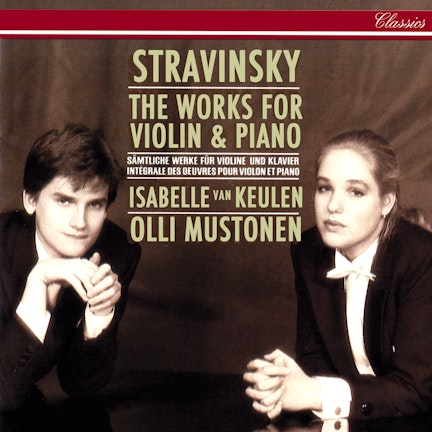
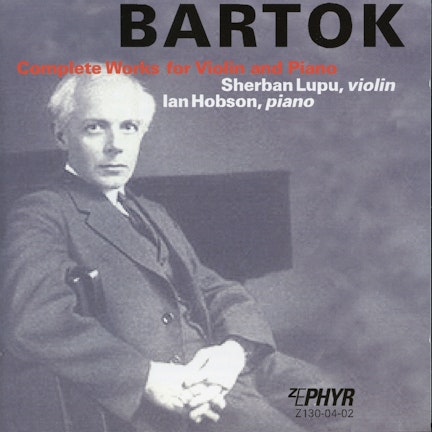
Ernst von Dohnányi, praised by Brahms in his teens, gained international fame as a keyboard virtuoso and composer, notably with his Variations on a Nursery Song in 1913.
Composer Biography
Ernst von Dohnányi and Léo Weiner, both honored Hungarians and near contemporaries, were considered conservative compared to Bartók but represented a stylistic departure from the old order.
Performer Biography
Oscar Shumsky, one of America's greatest violinists, was the youngest student of the legendary Leopold Auer, linking him to the golden era of violin playing.
Composer Biography
Dohnányi suffered greatly during the Nazi era, losing both his sons, and his reputation was tarnished by false rumors of collaboration, despite formal exoneration.
Composer's Artistic Vision
Léo Weiner's music, though excellently crafted, had a backward-looking persona with a 19th-century Romantic accent, and he was bewildered by the innovations of Stravinsky and Bartók.
Historical Context
The term 'A lla Zingarese' or 'in the Hungarian style' for music is often a misnomer, as much of this music, including works by Liszt and Brahms, actually represents the Zigeuner or gypsy tradition.
Composer Biography
Léo Weiner, who taught himself piano, entered the Budapest Academy of Music at sixteen and continued teaching there as Professor emeritus until his death in 1960.