Kurtág dedicated the Kafka-Fragmente to Hungarian art psychologist Marianne Stein, with whom he worked in Paris after the 1956 Hungarian uprising.
Composer's Artistic Vision
The work consists of forty miniatures, ranging from twenty seconds to seven minutes, assembled into four sections that revolve around the motif of 'the pursuit of a path' through life's labyrinth.
Composition History
The Kafka-Fragmente were premiered on April 25, 1987, at the Wittener Tage für Neue Kammermusik by soprano Adrienne Csengery and violinist András Keller.
Compositional Technique
The piece challenges performers to their limits, requiring the soprano to use a full range of vocal techniques from lyrical singing to screaming, and the violinist to produce sounds from smooth cantilenas to scratches and pizzicatos.
Composer Biography
György Kurtág, born in 1926, only gained recognition from the Western European public for his unique aesthetic towards the end of the 1980s.
Composition History
György Kurtág's Kafka-Fragmente for soprano and violin, Op. 24, was composed between July 6, 1985, and March 9, 1987.
Instruments
For some sections, Kurtág requires a second violin to be retuned during the performance using tuning peg glissandos to expand the compass or alter the timbre.
You might also enjoy...
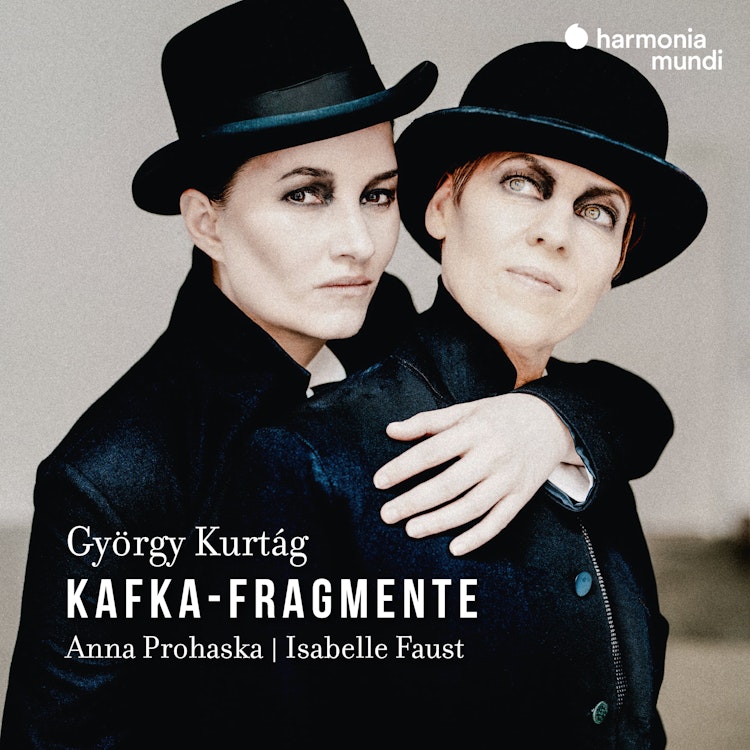
Kurtág: Kafka-Fragmente
Robert Lemay: Fragments noirs
György Kurtág: Kafka-Fragmente, Op. 24
György Kurtág: Kafka Fragments, Op. 24
Sebastian Claren: Gagokbounce: One By One
David Taddie: Fancy Colors
Bach: Sonate a Viola da Gamba e Cembalo Obbligato
Markus Stockhausen Plays Karlheinz Stockhausen
Cold Stability
Boulez: Répons; Dialogue de l'ombre double
Sekhon: Places & Times
The Billy Collins Suite (Songs Inspired by his Poetry)