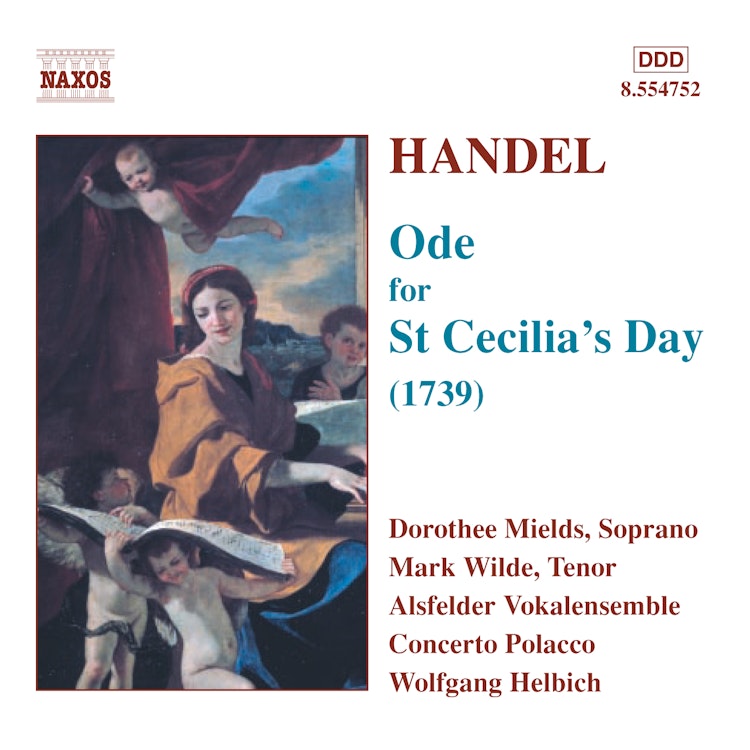
Handel's "Ode for St Cecilia's Day" uses word-painting, such as ascending vocal and descending instrumental scales to illustrate the text "Through all the compass of the notes it ran."
Performer Biography
Concerto Polacco, formed in 1991 by Marek Toporowski, is the first Polish early music ensemble consisting of a chamber choir and an orchestra playing on period instruments.
Composer Biography
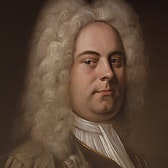
Handel moved to London in 1710, initially for a commission, and later established himself as a dominant composer of Italian opera, enjoying royal patronage from George I and George II.
Historical Context
The premiere of Handel's "Ode for St Cecilia's Day" occurred during a particularly cold winter when the Thames was frozen, and amidst the War of Jenkins' Ear with Spain.
Instruments
The "Ode for St Cecilia's Day" features specific instruments like a solo cello, trumpet, flute, lute, and organ, often matching the instruments mentioned in John Dryden's poem.
Composition History
Handel's setting of John Dryden's 1687 "Ode for St Cecilia's Day" was first performed on November 22, 1739, at the Theatre Royal in Lincoln's Inn Fields.
Composer Biography
George Frideric Handel, born in Halle in 1685, initially pursued law at his father's insistence before becoming an organist and later working at the opera in Hamburg.
You might also enjoy...
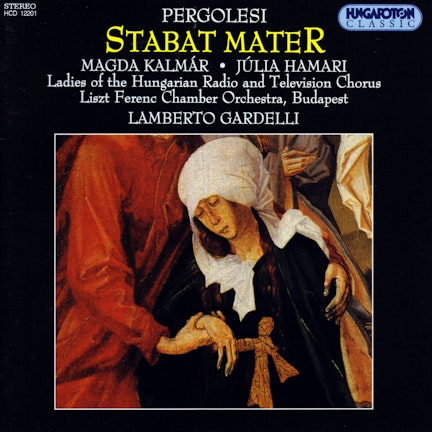
Pergolesi: Stabat Mater
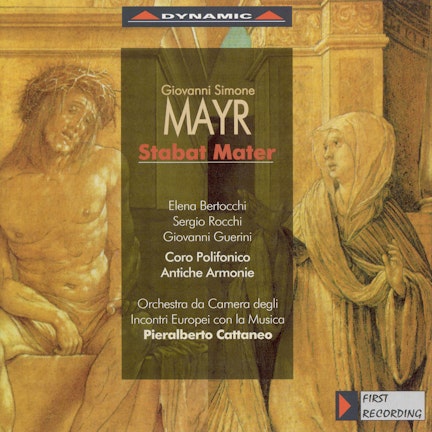
Mayr: Stabat Mater No. 3
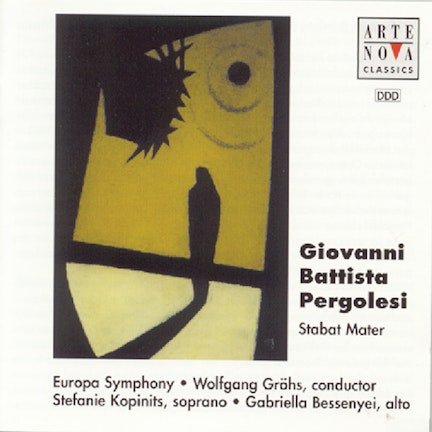
Pergolesi: Stabat Mater
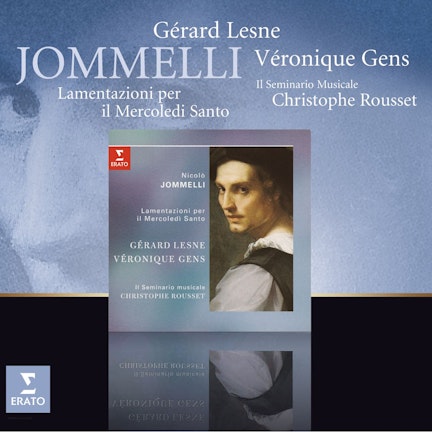
Jomelli : Lamentazioni per il Mercoledi santo
Grandi: Motetti a due voci: O felix, o lucidissima nox
Joseph Haydn: Stabat Mater
Luigi Boccherini: Stabat Mater Primera Versione 1781
Hindemith: Das Marienleben (1948 Version)
Jomelli - Le Lamentazioni Del Profeta Geremia Per Il Mercoledi Santo