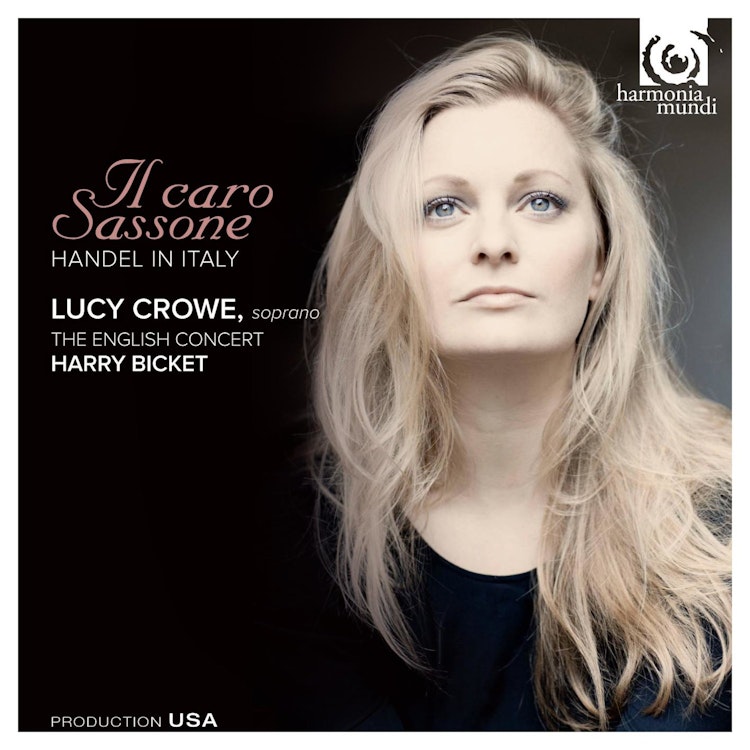
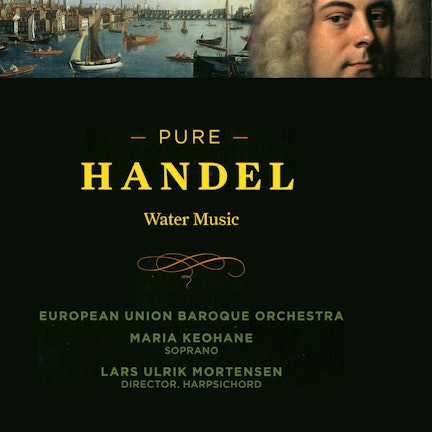
This recording was made in August 2010 at All Hallows' Church, Gospel Oak, London, UK, with Robina G. Young as producer and Brad Michel as recording engineer and editor.
Composition History
Francesco Maria Ruspoli, a frequent Roman patron of Handel, was made Prince of Cerverteri by Pope Clement XI for funding mercenaries to defend the Papal States.
Composition History
Many of Handel's Italian cantatas were first performed at Sunday afternoon conversazioni hosted by members of the Arcadian Academy, a group of literary, artistic, and musical connoisseurs.
Composition History
Handel's Italian tour lasted just over three years, from late 1706 to early 1710, during which he received high-profile commissions in Florence, Naples, and Venice.
Instruments
The recording uses period instruments, including an Italian harpsichord after Carlo Grimaldi and a chamber organ by Robin Jennings, with a pitch of A = 415 Hz.
Historical Context
During his time in Rome, public opera was forbidden by Papal decree, yet Handel impressed influential sponsors with his keyboard playing, church music, and oratorios.
Composer Biography
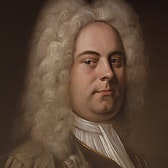
Handel, referred to as 'il caro Sassone' (the dear Saxon), left his organist job in Halle in 1703 to work as a violinist in Hamburg before traveling to Italy.