The Baroque mandolin sonatas on this album are characterized by contrasting movements with changes in character and tempo, offering performers great freedom of interpretation.
Interpretation
The performers on this album experimented extensively during rehearsals to achieve a sense of unity and ensure the continuo instrumentation was appropriate and varied.
Instruments
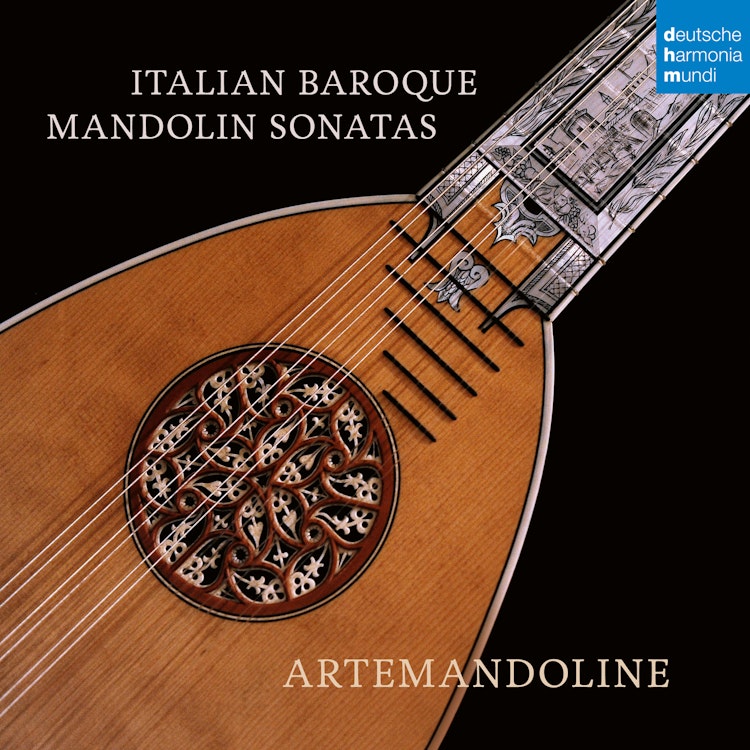
The mandolin, mandola, and mandolino were often used interchangeably, with Stradivari defining the mandola as a medium-sized, almond-shaped soprano lute and the mandolino as the same instrument with a smaller body.
Recording & Production
The album features an unusual continuo combination of guitar and organ, which the performers believe will surprise and delight listeners.
Instruments
The Baroque mandolins used in this recording were crafted by Alfred Woll, modeled after historical instruments by Plesber (Milan, 1769) and Antonio Vinaccia (Naples, 1767).
Composition History
Many of the works on this album, including tracks 1-20, are world premiere recordings, bringing previously neglected music to light.
Historical Context
Between 1650 and 1750, the mandolin was very popular at the Medici court in Florence, where many theorbo players were also skilled mandolinists.
You might also enjoy...
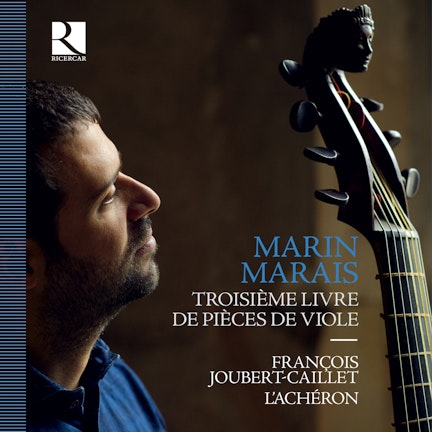
Marais: Troisième livre de pièces de viole
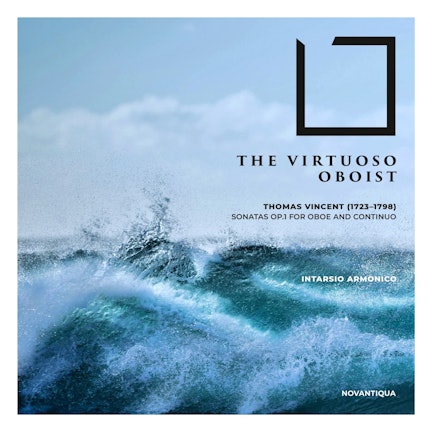
The Virtuoso Oboist (Thomas Vincent, Sonatas, Op. 1 for Oboe and Continuo)
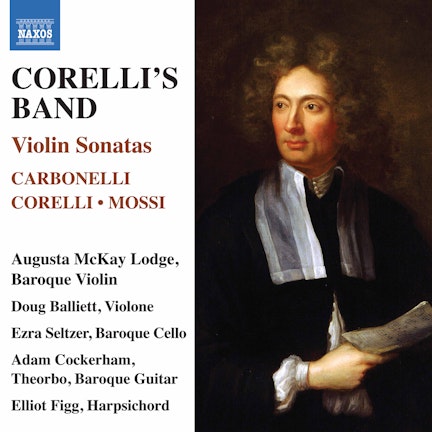
Corelli's Band: Violin Sonatas
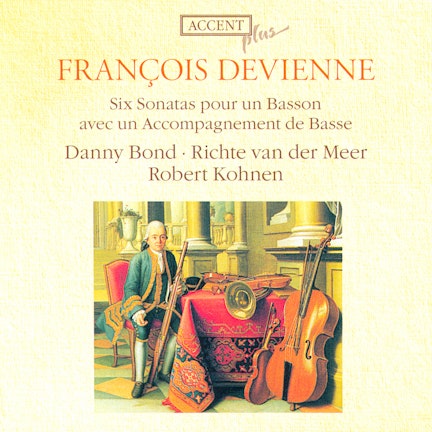
Devienne: Bassoon Sonatas Nos. 1-6
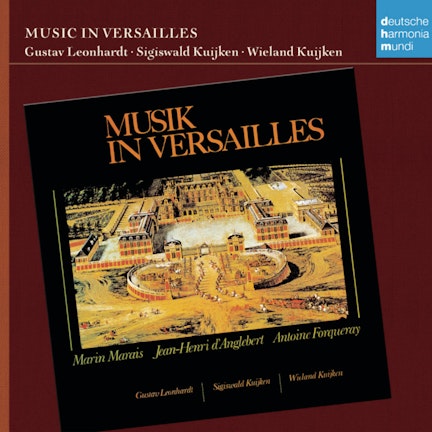
Musik in Versailles
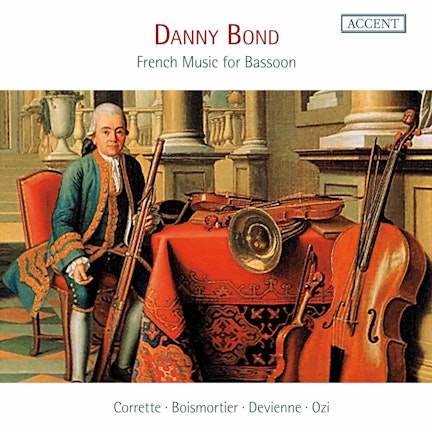
French Music for Bassoon
Abel: Viola da gamba Sonatas
Biber: Mystery Sonatas
Compositrices (Bon, von Bayreuth, Jacquet de la Guerre)
Buffardin: Sonates & Concerto
Gamba Sonatas
Histoires d'un Ange
Dall'abaco and the Art of Variation
Vivaldi: Violin Sonata RV 829. World Premiere Recording