For Bach, the trio texture, as realized in these sonatas, perfectly synthesized linear counterpoint, full harmony, and expressive melody, aligning with his ideas of perfect harmony.
Composition History
Bach's time in Köthen (1717-1723) was crucial for these sonatas, as he held the prestigious title of Kapellmeister and worked with a fine chamber ensemble.
Instruments
A new double-manual harpsichord by Berlin builder Michael Mietke, purchased in 1719 on Bach's recommendation, was decisive in shaping his mature harpsichord sound.
Compositional Technique
Bach's trio writing was an abstract compositional principle, not tied to specific instruments, allowing movements to be adapted for different ensembles without significant changes.
Historical Context
In the 18th century, music theorists like Johann Mattheson, Johann Joachim Quantz, and Johann Adolph Scheibe considered trio writing a touchstone for any composer of rank.
Composition History
Bach continually revised these six Sonatas for violin and obbligato harpsichord throughout his life, with the earliest source dating from 1725 and revisions continuing until around 1750.
Recording & Production
The recording uses a John Phillips harpsichord, modeled after a 1722 Johann Heinrich Gräbner instrument, which is similar to the large, middle-German harpsichords Bach favored.
You might also enjoy...
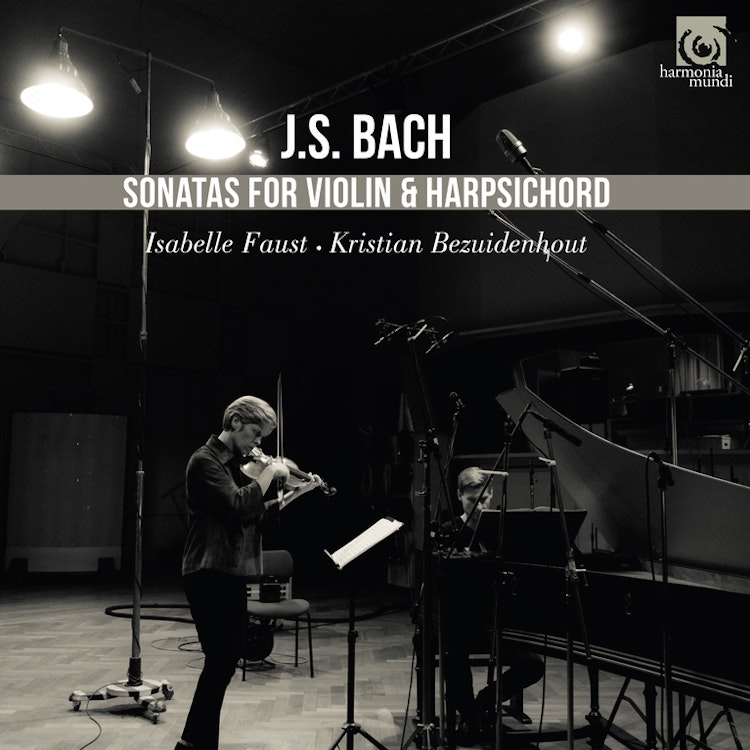
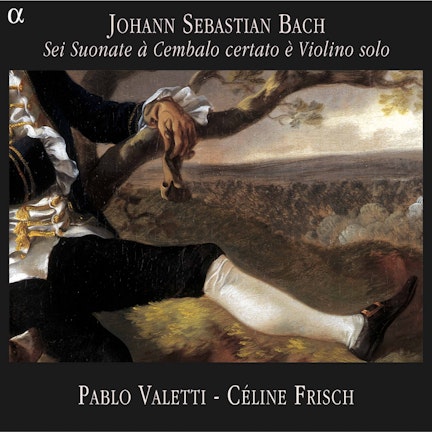
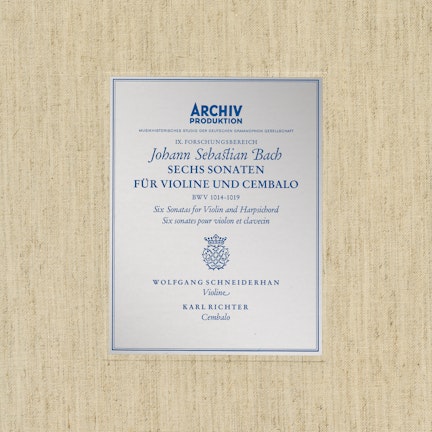
J.S. Bach: Sonatas for Violin & Harpsichord, BWV 1014-1019
Bach: 6 Sonatas for Violin & Harpsichord
Bach, J.S.: Sonatas for Violin and Harpsichord, Bwv 1014-1019
Bach, J.S.: Sonatas Nos. 1-6 for Violin and Harpsichord
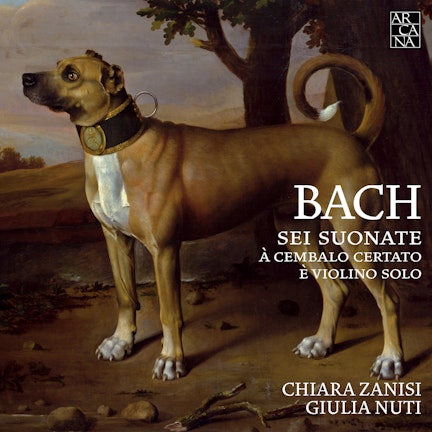
Bach, J.S.: 6 Sonate per Violino e Cembalo BWV 1014 - 1019
Bach: 6 Sonatas for Violin & Harpsichord
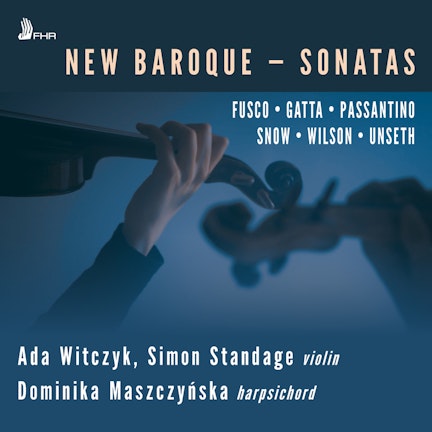
New Baroque: Sonatas
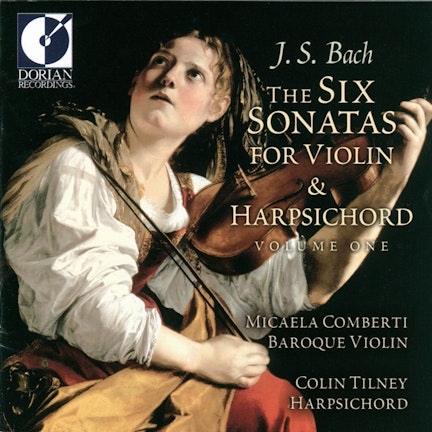
Bach, J.S.: Sonatas for Violin and Harpsichord, Vol. 1
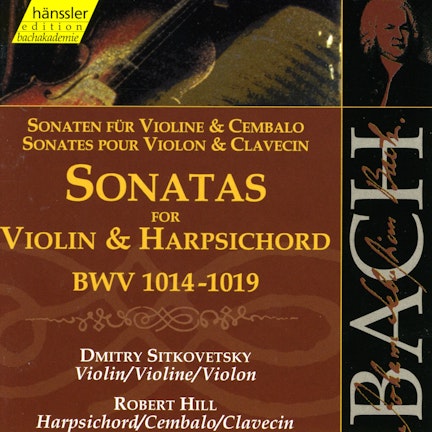
Bach, J.S.: Sonatas for Violin and Harpsichord BWV 1014-1019
J.S. Bach: Violin Sonatas, BWV 1014-1019
Bach, J.S.: Sonatas for Violin and Harpsichord, Vol. 1 - Bwv 1014, 1015, 1016