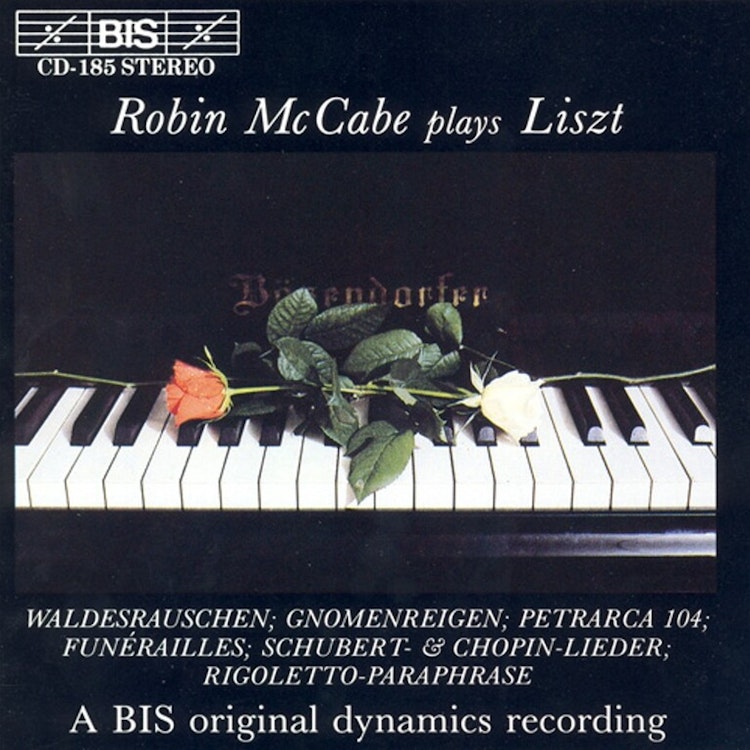
Liszt's Funérailles, subtitled 'October 1849,' is believed by scholars to express grief for the victims of the vanquished Hungarian revolution of 1848-49, rather than Chopin's death.
Compositional Technique
Liszt developed the etude form beyond Chopin's focus on a single technical problem, transforming it into a pictorial character piece that wove all aspects of keyboard technique into the music.
Composer's Artistic Vision
Liszt's compositions were often inspired by external sources like landscapes, paintings, or poetry, as seen in his Années de Pèlerinage, which reflects his impressions of Italy.
Composer Biography
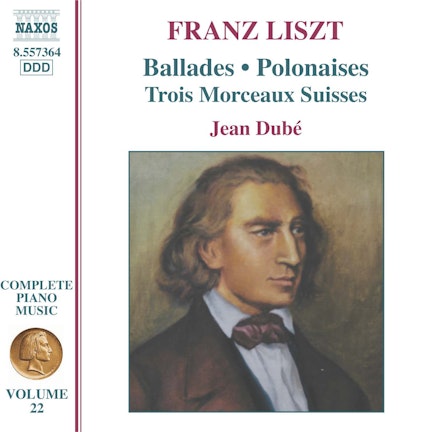
Franz Liszt, a 19th-century 'pianist-composer,' was a virtuoso whose keyboard mastery was matched by a lifelong commitment to composition.
Composer Biography
Liszt was a generous colleague who championed other composers by transcribing their works, such as the many Schubert songs and Chopin lieder he arranged for piano.
Composer Biography
Despite his fame as a pianist, Liszt stopped giving concerts in 1847 at the height of his career and never again appeared publicly as a paid artist.
Composer's Artistic Vision
Liszt's devotion to composition was monumental, resulting in over 1300 works in virtually every genre, with the piano remaining his favorite compositional medium.