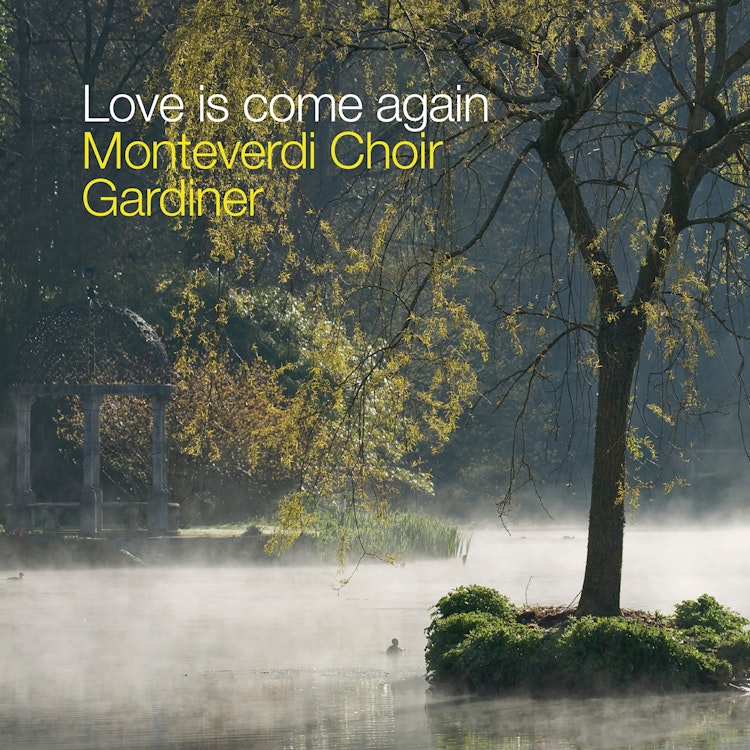
The Springhead Easter Play concluded with the singing of 'Non nobis, Domine' in canon, an arrangement by family friend John Gardner, which became an iconic song for all Springhead musical gatherings.
Historical Context
The Springhead Easter Play follows a centuries-old tradition of Passion Plays and Easter dramas, from medieval monasteries to modern spectacles like those at Oberammergau.
Composer's Artistic Vision
Marabel Gardiner, the creator of the Springhead Easter Play, drew inspiration from Italian Renaissance art, such as Piero della Francesca's 'The Resurrection' and Caravaggio's 'Supper at Emmaus'.
Composition History
This album is based on music compiled for a mimed Easter play, performed annually in Dorset village churches between 1963 and 1984, which was conceived by John Eliot Gardiner's mother, Marabel Gardiner.
Interpretation
The original Springhead Easter Play featured John Eliot Gardiner himself singing the Gospel texts as the evangelist, using an adapted English version of Heinrich Schütz's 'Historia der Auferstehung Jesu Christi'.
Performer Biography
The Springhead Easter Play, which this album's music is based on, led to the birth of the Monteverdi Choir in 1964, when John Eliot Gardiner returned to Cambridge to conduct Monteverdi's Vespers.
Recording & Production
This recording expands upon the original Springhead Easter Play program by adding larger-scale works like William Cornysh's 'Woefully array'd' and Josef Gabriel Rheinberger's 'Abendlied'.
You might also enjoy...
Choral Music - Hildegard of Bingen / Palestrina, G. / Byrd, W. / Isaac, H. / Josquin Des Prez / Dufay, G.
Pilgrimage to Santiago
The Flowering of Renaissance Choral Music
Renaissance - Music for Inner Peace
The Renaissance of Italian Music
Exultate Deo: Masterpieces of Sacred Polyphony
Allegri: Miserere - Palestrina: Missa Papae Marcelli