Narodowa Orkiestra Symfoniczna Polskiego Radia NOSPR
Did you know?
1/7
Historical Context
During the 1980s, Lutosławski boycotted state institutions in Poland to show solidarity with artists during and after martial law, refusing to conduct his music in his home country.
Compositional Technique
Lutosławski's 'chain technique,' where musical layers overlap rather than start and end together, was first used in the final movement of his Concerto for Orchestra and appears in other works from the 1980s.
Cultural Impact
Lutosławski was awarded the Solidarity Prize in 1983 for his principled moral stance and support of the democratic movement and artists' boycott in Poland.
Composer Biography
Lutosławski, the composer, was a skilled pianist and conductor, and even a violinist during his student years, which informed his deep understanding of performance.
Composer's Artistic Vision
Lutosławski believed that the problems of performance were an integral part of composition, and he aimed to 'compose the perception' of his music.
Recording & Production
This album features recordings of Lutosławski's music conducted by the composer himself, which are considered highly instructive and often definitive.
Composer's Artistic Vision
Lutosławski believed that creative artists live a 'double life,' inhabiting an 'ideal world' of dreams and wishes, which it is their mission to make accessible to others.
You might also enjoy...
Headley: California Suite / Piano Concertos Nos. 1 and 2 / Symphony No. 1
Alexander Scriabin: Symphony No. 2, Op. 29 & Piano Concerto, Op. 20
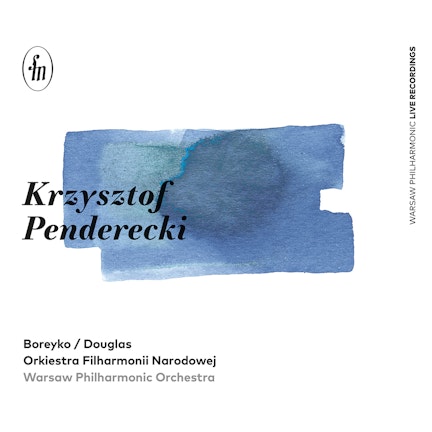
Krzysztof Penderecki: Piano Concerto "Resurrection" & Symphony No. 2 "Christmas" (Live)
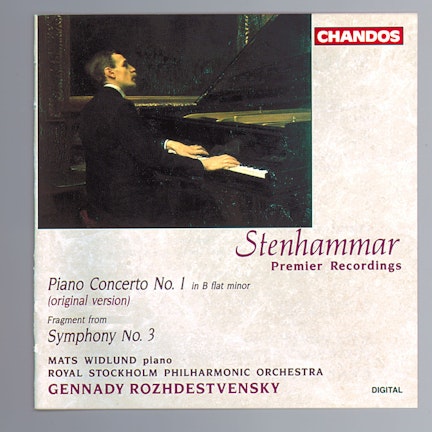
Stenhammar: Piano Concerto No. 1 / Symphony No. 3 (Fragment of Movement I)
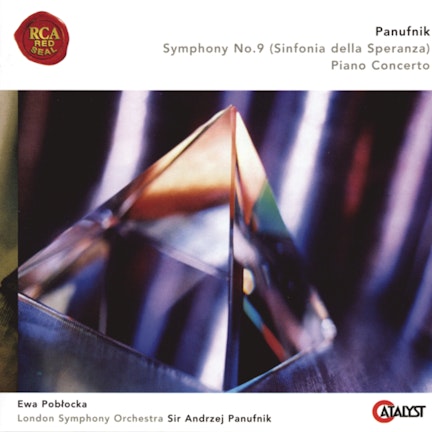
Panufnik: Symphony No.9, Piano Concerto
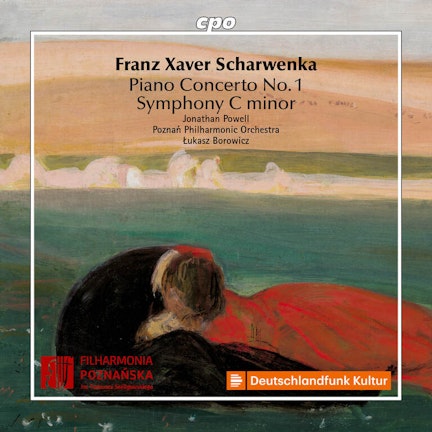
Franz Xaver Scharwenka: Piano Concerto No. 1 · Symphony C minor
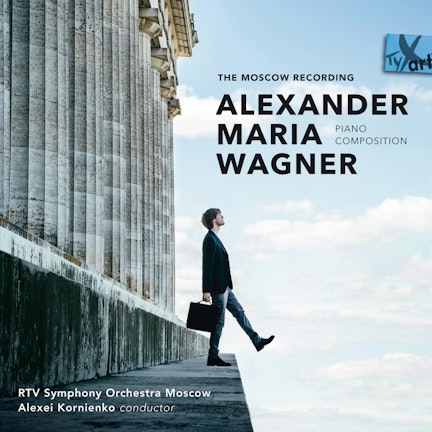
The Moscow Recording
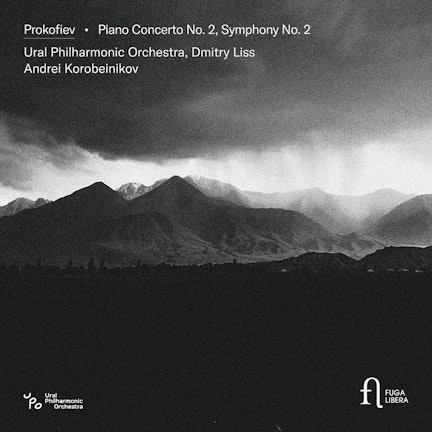
Prokofiev: Piano Concerto No. 2 & Symphony No. 2
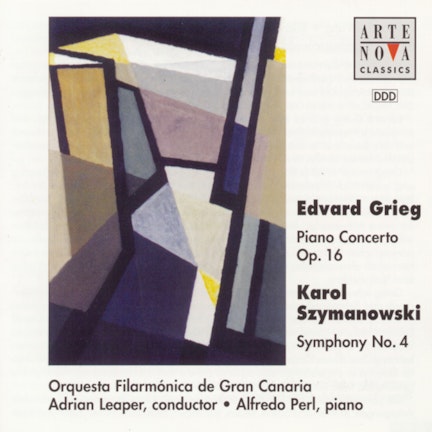
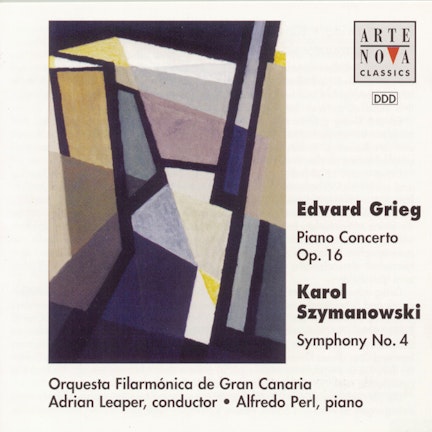
Grieg: Piano Concerto; Szymanowski: Symphony No. 4 "Symphonie concertante"
Scriabin: Piano Concerto / Symphony No. 3, "Le Divin Poeme"
Erkki-Sven Tüür: Symphony No.7 “Pietas” / Piano Concerto
Tchaikovsky Historical, vol. III
Grieg: Piano Concerto; Szymanowski: Symphony No. 4 "Symphonie concertante"