Andrés Orozco-Estrada, the conductor, first gained international attention in 2004 when he stepped in to conduct the Tonkünstler Orchestra in Vienna and was hailed by the press as the "wonder of Vienna."
Composition History
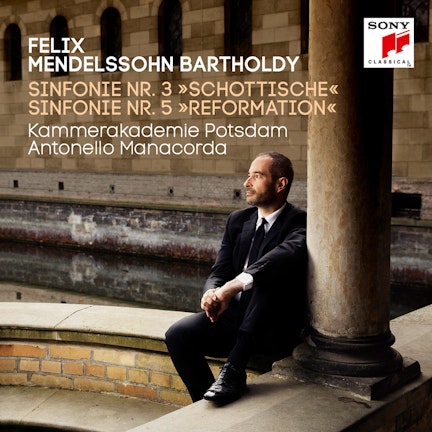
Mendelssohn composed the "Reformation Symphony" out of personal conviction to commemorate the 300th anniversary of the Augsburg Confession in 1830, calling it the "Symphony for the Celebration of the Church Revolution."
Composer's Artistic Vision
Carl Friedrich Zelter, director of the Berlin Singakademie, ignited Mendelssohn's passion for Johann Sebastian Bach's oratorios, laying the groundwork for the revival of Baroque music.
Critical Reception
The "Reformation Symphony" was initially rejected for performance in Paris because the orchestra found it "too scholastic" with "too much fugato, too little melody."
Composition History
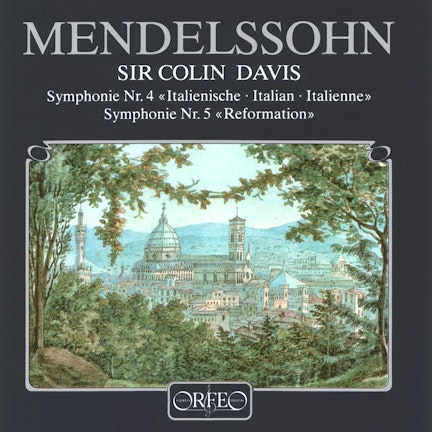
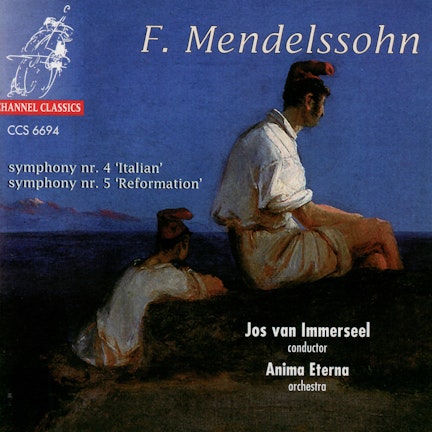
Mendelssohn's numbering of his symphonies does not reflect their creation order; the "Italian Symphony" (No. 4) was actually his third symphony for large orchestra, and the "Reformation Symphony" (No. 5) was composed before it.
Compositional Technique
The second movement of Mendelssohn's "Italian Symphony" is believed to be an epitaph for his teacher, Carl Friedrich Zelter, who died in 1831, with its melancholy melody resembling Zelter's song "König von Thule."
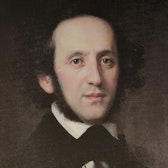
Composer Biography
Felix Mendelssohn Bartholdy, the composer, called his Symphony in A major, Op. 90 the "Italian Symphony" even before its completion, working on it during his 1831 trip to Italy.