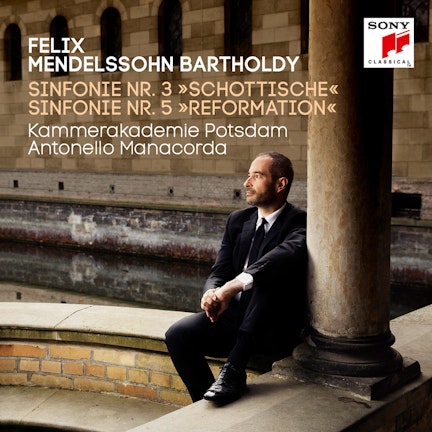
Mendelssohn never wanted his 'Reformation' Symphony published, possibly due to disappointment over a missed premiere opportunity and rejections from orchestras, rather than dissatisfaction with the work itself.
Composer's Artistic Vision
Mendelssohn's music, while rooted in Romanticism, differs from his contemporaries like Berlioz in its relationship to tradition, as he did not break with the past.
Instruments
The 'Reformation' Symphony's score includes a part for 'Contrafagotto e Serpente,' reflecting a period of transition in instrument making before names were standardized.
Interpretation
This recording uses period instruments, which are less sonorous but more articulate than modern ones, to better render the nuances and phrasing of Mendelssohn's symphonies.
Composer Biography
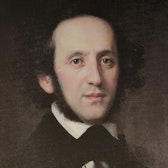
Felix Mendelssohn Bartholdy received an almost unparalleled education for his time, exposed to the greatest teachers in music, painting, and literature.
Critical Reception
For a long time, musicologists largely ignored Mendelssohn, perhaps due to his privileged upbringing and Jewish origins, though he is now regaining favor.
Composition History
The 'Reformation' Symphony, though numbered fifth, was Mendelssohn's first great symphony for full orchestra, composed when he was only twenty years old.