Mendelssohn presented Gutenberg's achievement as the victory of light over darkness, linking the piece to his oratorio Paulus, which also emphasizes light.
Compositional Technique
The work consists of three instrumental symphonic movements played without interruption, followed by a nine-movement cantata, an innovation in symphonic music.
Performer Biography
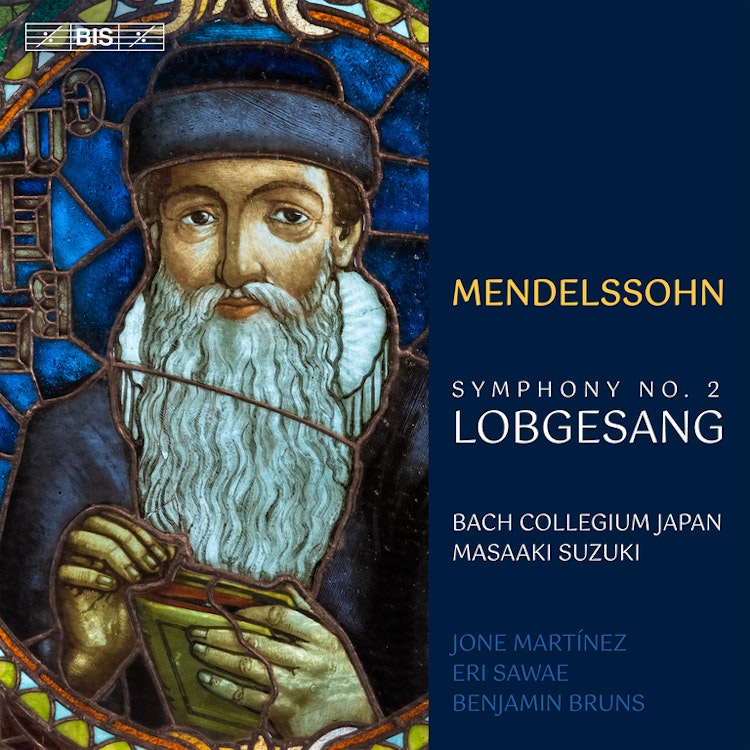
The Bach Collegium Japan (BCJ), founded in 1990 by Masaaki Suzuki, aims to introduce Japanese audiences to historically informed performances of baroque works.
Compositional Technique
Mendelssohn's 'Hymn of Praise' is a continuation of his earlier 'Reformation' Symphony, but with a genuine vocal finale.
Compositional Technique
The 'Hymn of Praise' was originally conceived as a 'smaller oratorio or larger hymn' and later as a 'symphony for choir and orchestra' before its final title as a 'symphony-cantata'.
Composition History
Mendelssohn, then conductor at the Leipzig Gewandhaus, was commissioned by the 'Committee for the Celebration of the Invention of Printing' in Leipzig in October 1839.
Composition History
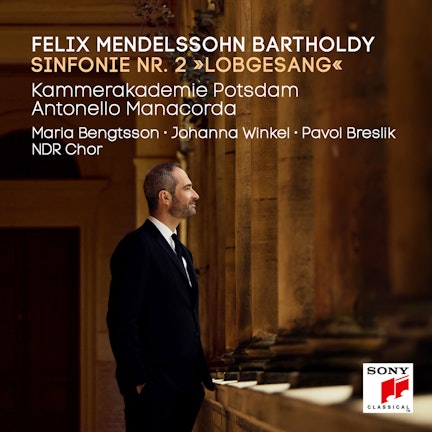
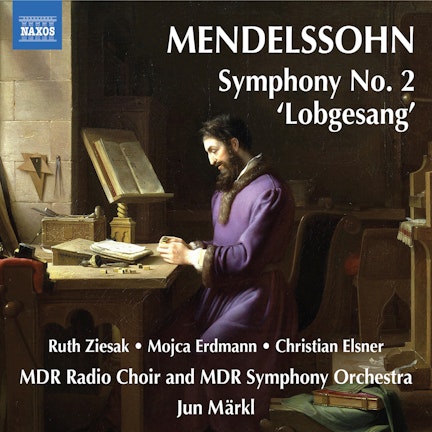
Mendelssohn's Symphony No. 2, 'Lobgesang' (Hymn of Praise), was composed for the 400th anniversary of Gutenberg's invention of the printing press.