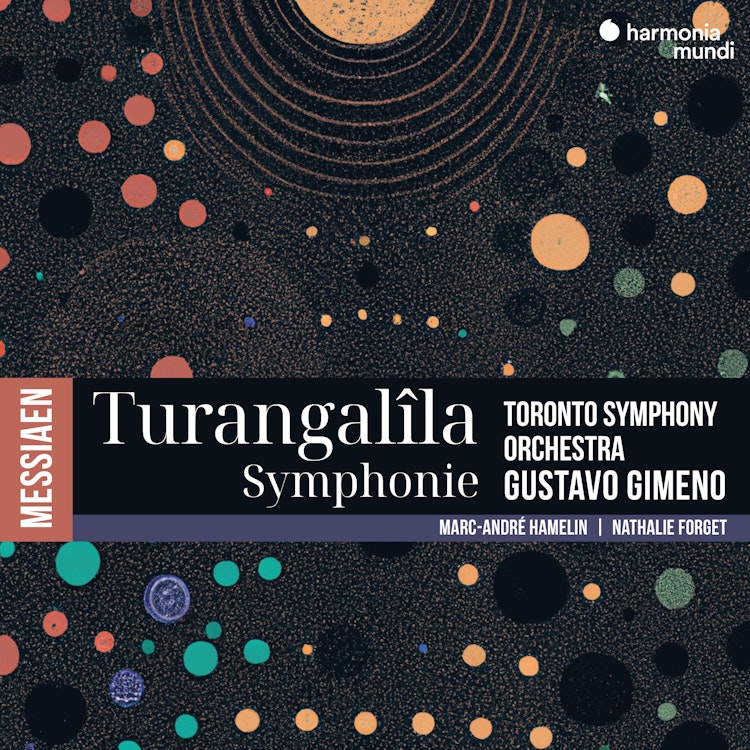
Messiaen was inspired by the medieval legend of Tristan and Isolde for the Turangalîla-Symphonie, describing it as a 'fatal, irresistible love' and a 'superhuman, overflowing, blinding, unlimited' joy.
Notable Performances
The Turangalîla-Symphonie was premiered on December 2, 1949, in Boston, conducted by Leonard Bernstein, with Yvonne Loriod on piano and Ginette Martenot on ondes Martenot.
Recording & Production
This recording is the Toronto Symphony Orchestra's first collaboration with Harmonia Mundi and their second recording of the Turangalîla-Symphonie, the first being a GRAMMY®-nominated 1968 recording.
Performer Biography
Marc-André Hamelin, the pianist on this recording, is known for his technical prowess and exploration of rare 19th, 20th, and 21st-century repertoire, and has over 30 compositions to his name.
Compositional Technique
The Turangalîla-Symphonie features an unusual instrumental lineup of 103 musicians, including a large percussion section and three soloists: ondes Martenot, piano, and a Balinese-style 'gamelan' (celesta and vibraphone).
Composition History
Olivier Messiaen's Turangalîla-Symphonie was commissioned by Serge Koussevitzky, the music director of the Boston Symphony Orchestra, with no restrictions on style, length, or deadline.
Instruments
Nathalie Forget, the ondes Martenot soloist, is one of a handful of artists globally who perform the instrument's part in Turangalîla-Symphonie.
You might also enjoy...
Schuman: Symphony No. 3
Vaughan Williams: Symphony No. 5
Shankar: Symphony
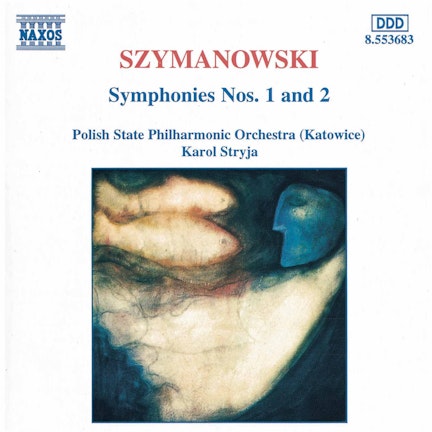
Szymanowski: Symphonies Nos. 1 and 2
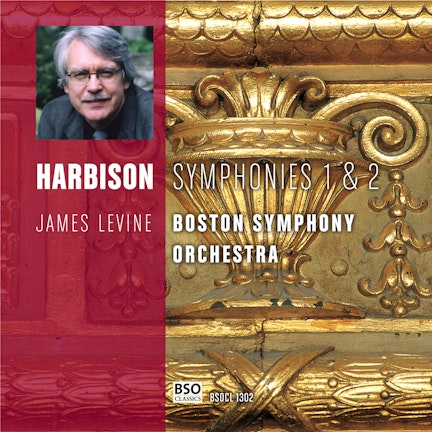
Harbison Symphonies 1 & 2
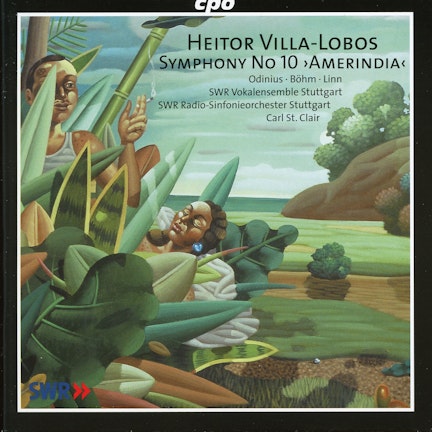
Villa-Lobos: Symphony No. 10
Szymanowski: Symphonies Nos. 1 and 2
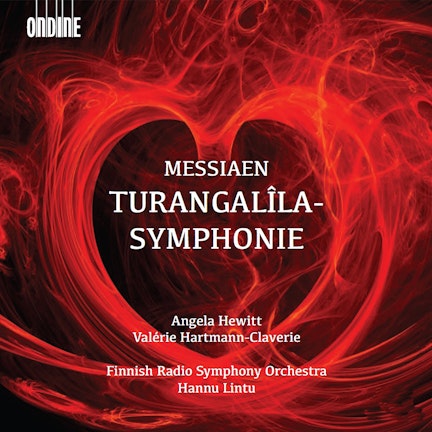
Messiaen: Turangalîla-symphonie
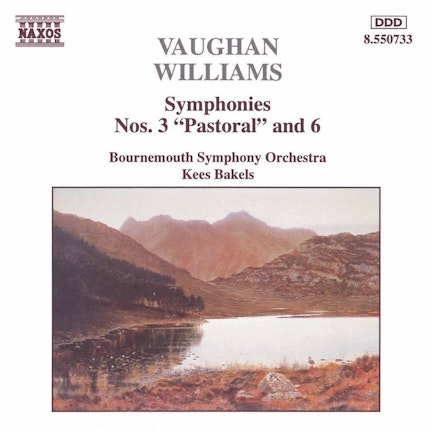
Vaughan Williams: Symphonies Nos. 3, 'Pastoral', and 6
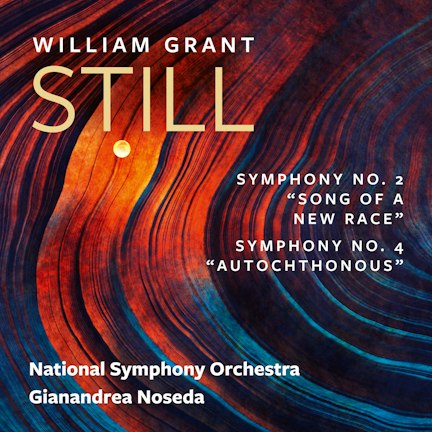
William Grant Still: Symphony No. 4 "Autochthonous", III. With a graceful lilt