The recording uses large hunting horns played naturally, without the hand-in-bell technique, resulting in a noble and powerful sound.
Composition History
The Dresden Hofkapelle, the court orchestra, was initially groomed in the French style, then shifted to the Italian manner, eventually synthesizing both into a 'mixed taste' favored by German composers.
Historical Context
The Dresden Hofkapelle's dual origin, French and Italian, led to a diverse membership, including French musicians who left France after the revocation of the Edict of Nantes in 1685.
Historical Context
Between 1709 and 1760, Dresden was a hub for Europe's best musicians, fostered by the Prince Electors of Saxony.
Historical Context
The Dresden Hofkapelle was known as the 'most magnificent orchestra in Europe' for its discipline, colors, and virtuosity, largely developed by Konzertmeister Johann Georg Pisendel.
Interpretation
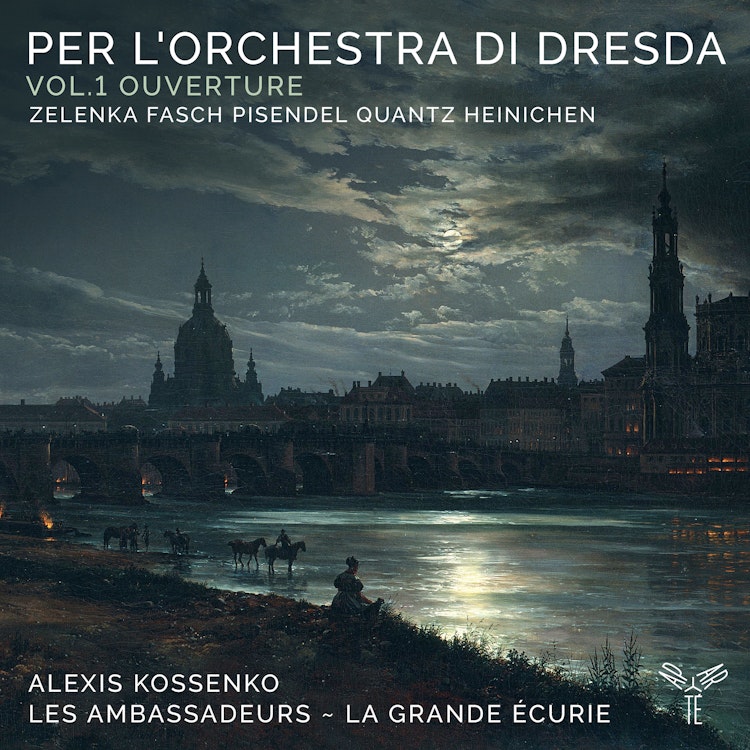
This album explores the Dresden repertoire of Bach's time, using Vivaldi's dedication 'per l'orchestra di Dresda' (for the Dresden orchestra) as its banner.
Instruments
The use of a contrabassoon in this recording is supported by its Saxon origin and mentions of a 'gran bassono' or 'bassono grosso' in scores linked to Dresden and Leipzig, including Bach's St. John's Passion.
You might also enjoy...
Bach Sons - Symphonies by J. C. Bach, J. C. F. Bach, W. F. Bach & C. P. E. Bach
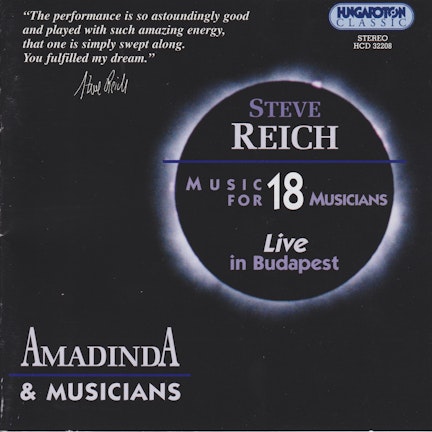
Reich: Music for 18 Musicians
Charpentier: Incidental Music for "Circé" & "Andromède"
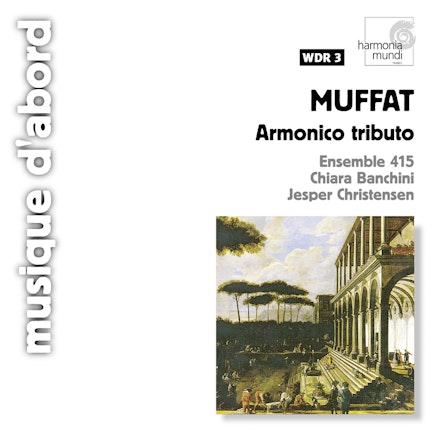
Muffat: Armonico tributo - Concerti grossi
Cantadas de pasión
Scarlatti Y Soler: Music from the Courts of Europe - Madrid
Rameau, J.-P.: L'Egyptienne
Stradella: Complete String Sinfonias
Vivaldi Concertos
Baroque Arabesque
Fastes de la grande écurie
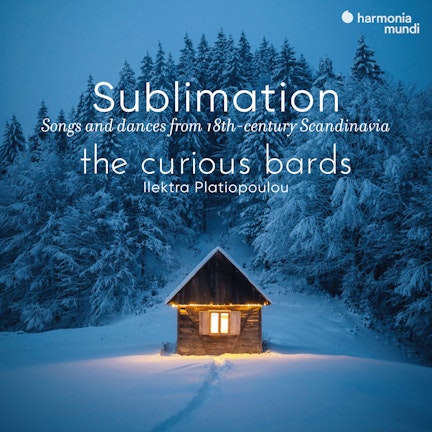
Sublimation: Songs and dances from 18th-century Scandinavia
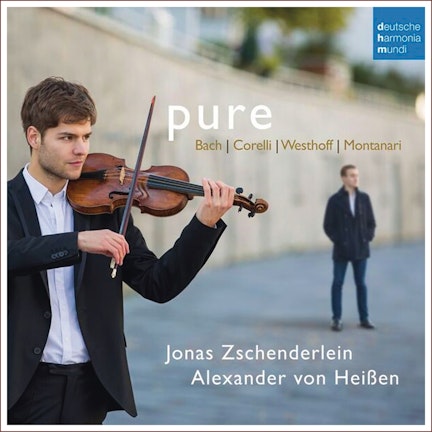
Pure - Works For Violin and Harpsichord By Bach, Corelli, Von Westhoff & Montanari
Brackett, J.: Simple Gifts / Billy, J.: She's Always A Woman / Taylor, J.: You Can Close Your Eyes / Still, S.: Helplessly Hoping (King's Singers)